
Caracas, Venezuela – When the plane touched down in Caracas, I knew my long journey through South America had truly begun. I was about to spend quite some time on the road, moving from one country to another, with no perfectly defined ending in sight. I knew where the journey started, but I had no idea where it would take me. In many ways, that uncertainty was part of the adventure. Caracas was my first real introduction to Venezuela, and it was a city that immediately made an impression on me.
My First Impression of Caracas
With millions of people living in and around the city, Caracas feels busy, energetic, and intense. As the capital of Venezuela, it is a place where modern urban life, history, mountains, and social contrasts exist side by side.
Before arriving, I had heard plenty of warnings about safety in Venezuela. Friends had told me to be careful, and almost everything I had read before the trip seemed to reinforce the same idea. Still, nothing quite prepares you for experiencing something yourself.
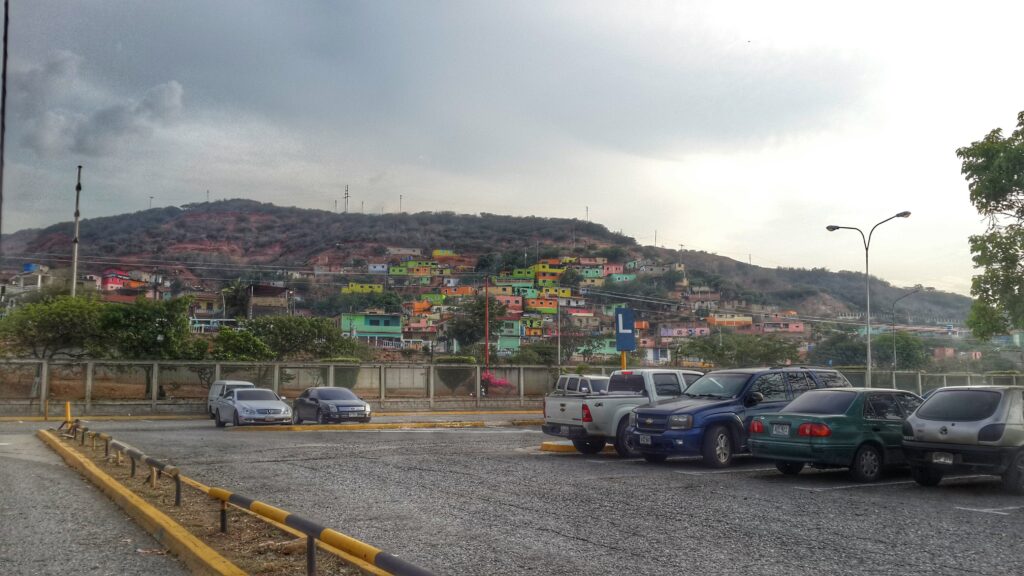
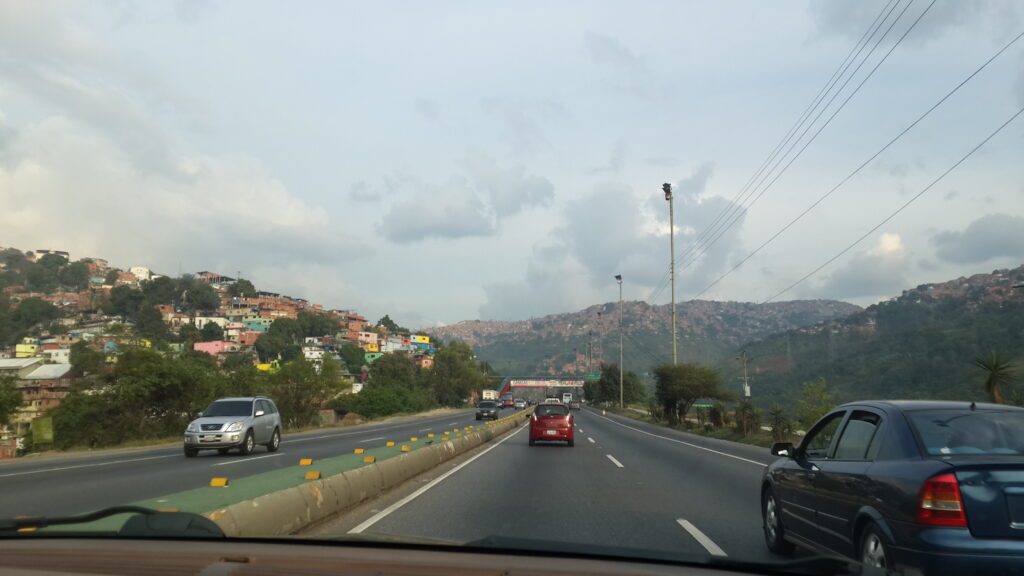
My first lesson came only minutes after leaving the airport. We were driving along the highway toward Caracas when I opened the car window slightly and took out my phone to record the scenery. The driver immediately warned me to put it away. Her concern was that someone on a motorcycle could approach the car and steal the phone, potentially at gunpoint. That brief moment changed the way I looked at the city. I became much more conscious of my surroundings, my belongings, and the way I moved through Caracas. But that was only one side of the city.
A City Built Around Security
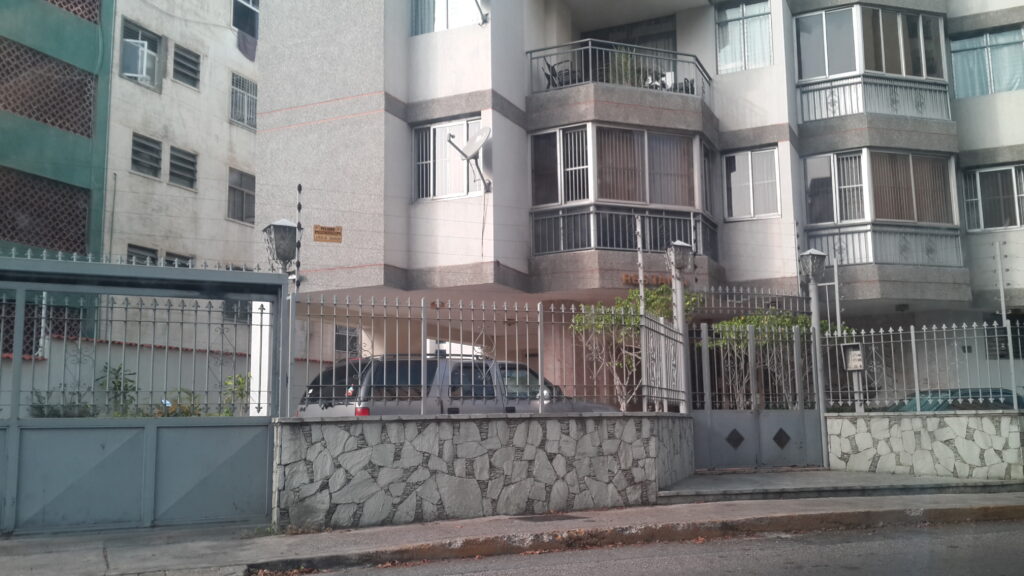
One of the first things I noticed while exploring Caracas was how visible security measures were in everyday life. Many residential buildings were surrounded by high walls, heavy gates, and electric fencing. Cars commonly had heavily tinted windows, making it difficult to see inside. At first, these things felt unusual and even unsettling. After hearing about the security concerns and experiencing the city myself, however, they started to make more sense.
Caracas, Venezuela, is a city where people have adapted to their environment. And once I understood that, I began looking beyond the walls and fences. Because there was another Caracas waiting to be discovered.
Things to Do in Caracas, Venezuela
Plaza Bolívar
One of the best places to begin exploring the historic side of Caracas is Plaza Bolívar. Located in the heart of the city, the square is surrounded by important historic buildings and centered around a statue of Simón Bolívar. But what I enjoyed most was not simply the architecture. It was the atmosphere.
Locals gathered around the square, street musicians added to the energy, and people went about their everyday lives. For a traveler, it felt like a place where the history of Caracas and its present-day rhythm came together.
Casa Natal del Libertador Simón Bolívar
For anyone interested in Venezuelan history, Casa Natal del Libertador Simón Bolívar is another important stop. This is the birthplace of Simón Bolívar, one of the most important figures in the independence movements of South America.
Visiting the house gives you a different perspective on the country and on the historical figure whose name appears throughout Venezuela. After seeing the busy streets of Caracas, stepping into a place so closely connected to the country’s past offered a completely different experience. Museo Casa Natal del Libertador
Plaza Francia in Altamira
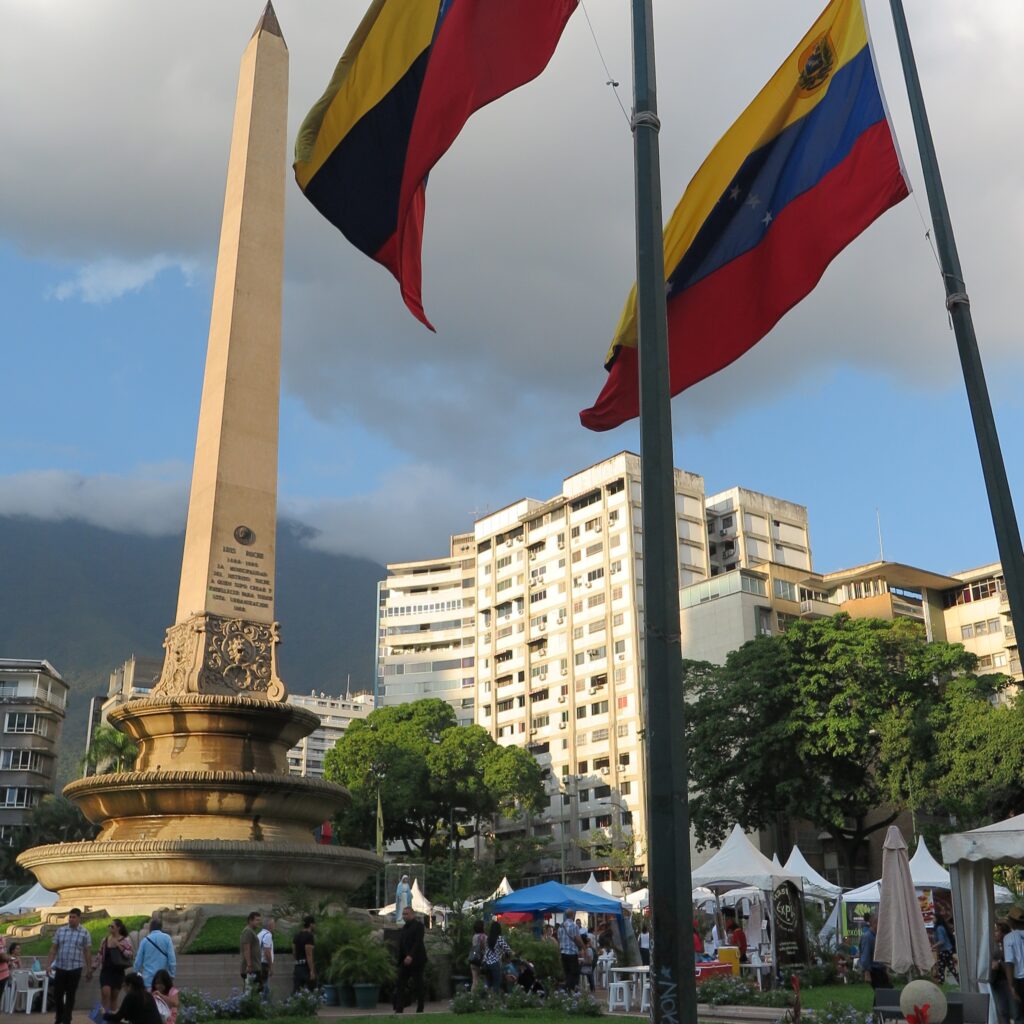
From the historic center, Caracas offers a very different atmosphere in Altamira. Plaza Francia is one of the city’s best-known modern gathering places. Its distinctive obelisk, fountains, cafés, and open spaces give the area a more relaxed and social character.
It was one of the places that reminded me that Caracas cannot be defined by its security concerns alone. There is a lively, everyday side to the city; people meeting friends, spending time outdoors, and enjoying the atmosphere of their neighborhood.
Parque del Este (Parque Generalísimo Francisco de Miranda)
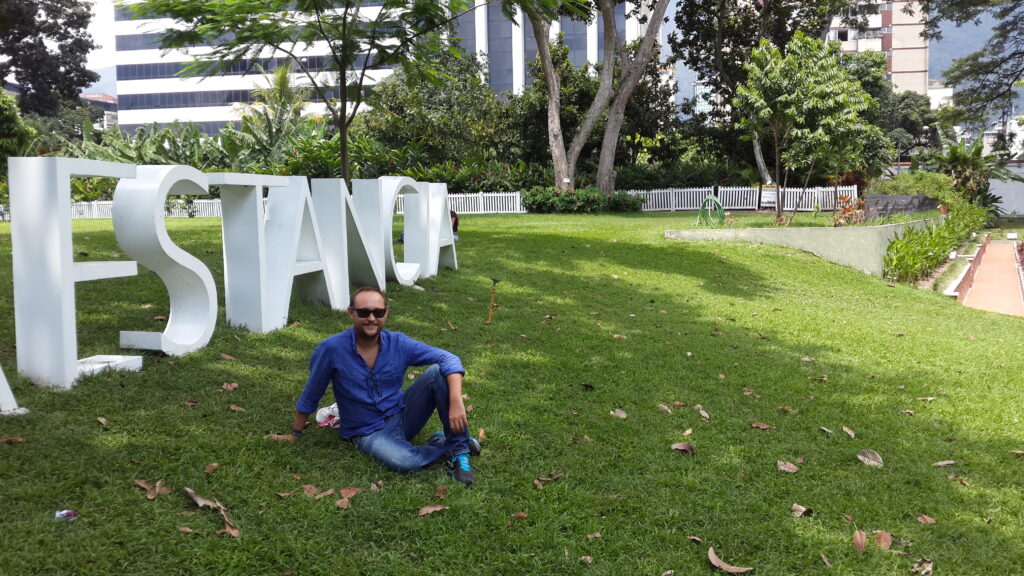
If the intensity of Caracas becomes overwhelming, Parque del Este offers a welcome change of pace. Also known as Parque Generalísimo Francisco de Miranda, the park is filled with greenery, walking areas, tropical plants, lakes, and spaces where people can simply slow down.
After spending time surrounded by traffic, buildings, and the constant movement of the city, being able to walk through a green space felt refreshing. Nearby, PDVSA Centro de Arte La Estancia offers another peaceful place to take a break from the urban environment.
The Caracas I Experienced
Caracas was not an easy city to understand during my first few hours. The warnings I had heard before arriving were suddenly real. I became more careful with my phone, more aware of my surroundings, and more conscious of the security measures throughout the city.
But if I had allowed that first impression to define Caracas completely, I would have missed a lot. I would have missed the energy of Plaza Bolívar. I would have missed the history behind Simón Bolívar’s birthplace. I would have missed the atmosphere of Plaza Francia. And I would have missed the quieter, greener side of the city in Parque del Este and La Estancia.
That contrast is probably what stayed with me the most. Caracas can feel intense, cautious, and unpredictable. At the same time, it is full of history, movement, greenery, and ordinary moments of everyday life.
Is Caracas Worth Visiting?
My experience in Caracas taught me that a city can be more complicated than the reputation it carries. Yes, I was cautious. Yes, security was something I had to think about more than I normally would while traveling. But Caracas was also my first real encounter with Venezuela, and it gave me a glimpse into a country that was far more complex than the headlines I had read before arriving. For me, that is what travel is ultimately about. Not simply checking places off a list, but seeing them for yourself, even when the reality is more complicated than you expected.
Caracas was the beginning of my Venezuelan journey. And it made me want to see what was beyond the capital. From Caracas, my journey would continue toward some of Venezuela’s most extraordinary landscapes, including Canaima and Angel Falls.
If you are planning a trip through Venezuela, you can continue the journey with my story about Canaima and Angel Falls, one of the most unforgettable places I visited in the country.
Guatapé Guide: Guatapé Day Trip from Medellín
Guatapé – Some trips are like this: you leave early in the morning, spend the…
Salsa in Cali: Discovering the Rhythm of Dance in Colombia’s Salsa Capital
Salsa in Cali — Wherever the name of Cali, located in southwestern Colombia, is mentioned,…
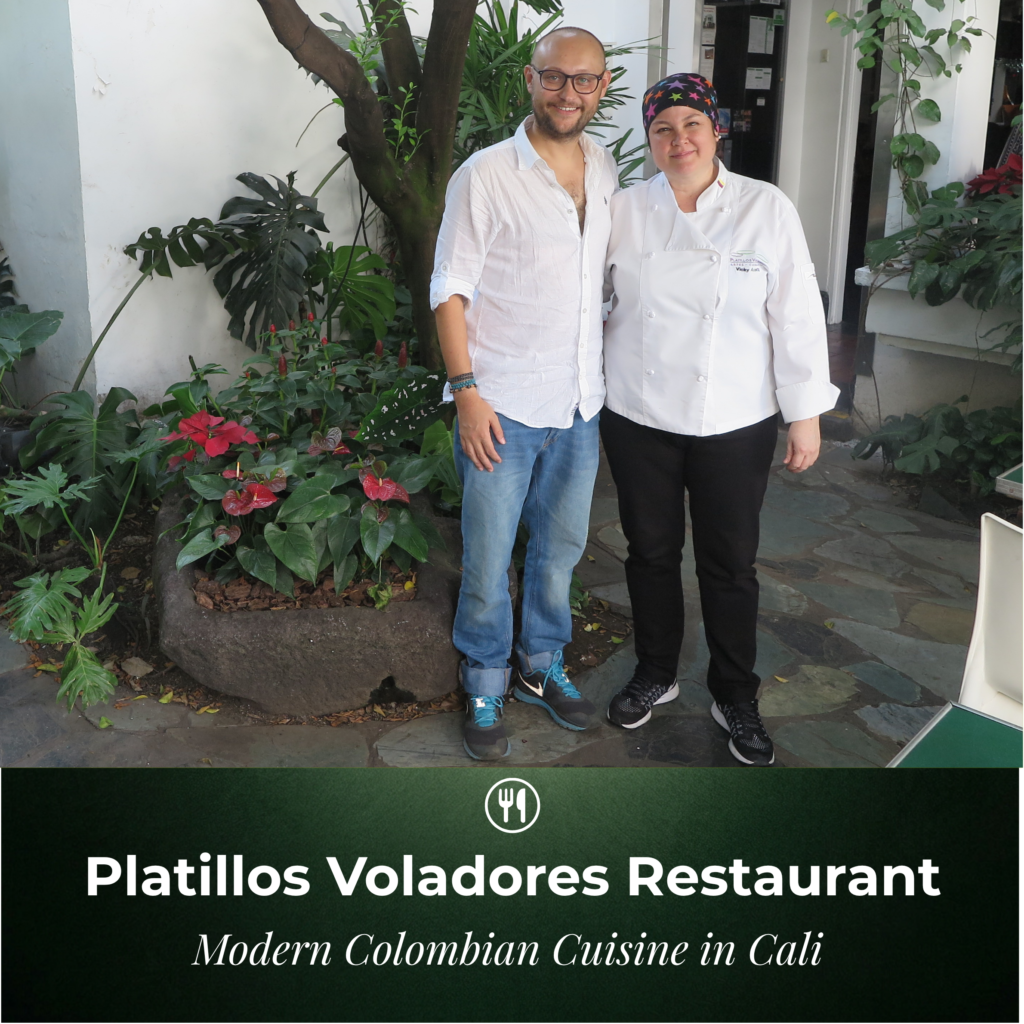
Platillos Voladores Restaurant, Cali: A Modern Take on Colombian Cuisine
Platillos Voladores Restaurant, Cali – When people think of Cali, Colombia, salsa dancing is usually…
Pingback: Colonia Tovar: A German Town in Venezuela - Culinistanbul