
Guatapé – Some trips are like this: you leave early in the morning, spend the day exploring, and by the evening your feet are aching, but you still find yourself saying, “I’m so glad I came.” For me, a day trip to Guatapé from Medellín was exactly that kind of experience.
On this trip, I got to see both El Peñón de Guatapé, one of Colombia’s most impressive natural landmarks, and the colorful town of Guatapé, famous for its vibrant streets and beautifully decorated houses. The best part? Getting from Medellín to Guatapé on your own is actually quite easy.
In this guide, I’ll share my own experience and answer questions such as how to get from Medellín to Guatapé, how to visit El Peñón de Guatapé, what to do in Guatapé, and how to plan a day trip to Guatapé.
Where Is Guatapé?
Guatapé is a small and colorful town in Colombia’s Antioquia region, about 70 kilometers east of Medellín. Thanks to its proximity to Medellín, it is one of the most popular day-trip destinations for travelers spending a few days in the city.
When you think of Guatapé, two things immediately come to mind:
- El Peñón de Guatapé
- Guatapé’s colorful streets and beautifully decorated houses
My advice is to see both on the same day. One offers impressive natural scenery and panoramic views, while the other gives you a chance to experience Colombia’s colorful culture and small-town life.
How to Get from Medellín to Guatapé
I went to Medellín’s North Bus Terminal (Terminal del Norte) early in the morning for my trip to Guatapé. There are regular buses and minibuses from Medellín to Guatapé and El Peñón, with several companies operating along this route.
I chose Sotrasanvicente. At the time, I paid 12,000 Colombian pesos for my ticket. Today, a one-way ticket costs around 25,000 Colombian pesos.
First Stop on the Way to Guatapé: El Peñón de Guatapé
The journey from Medellín to El Peñón de Guatapé took about 1.5 hours. It was a comfortable and trouble-free ride for me. If possible, I recommend getting a window seat.
As we got closer to El Peñón, I saw the enormous rock formation for the first time through the bus window. Even if you have seen it countless times in photos, it is hard not to be impressed when you see its actual size for the first time.
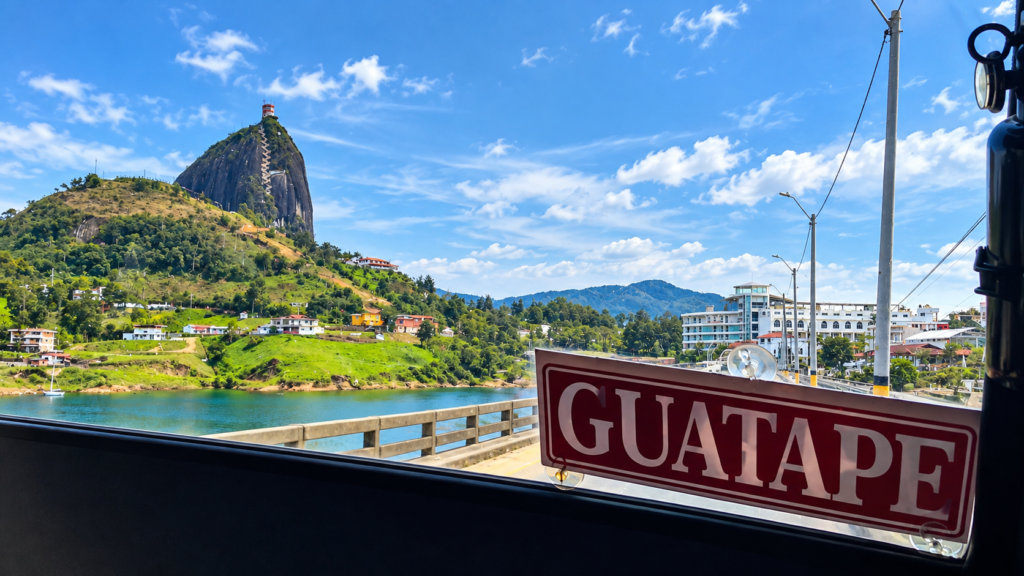
There is one small but important thing to keep in mind: if you are going to El Peñón, your stop is not the final stop. So don’t get too distracted and miss it. Once you start seeing the rock, keep your eyes on the window.
There were other passengers on my bus who were also going to El Peñón. Still, the safest option is to tell the driver in advance where you want to get off.
El Peñón de Guatapé
El Peñón de Guatapé (also known as “La Piedra del Peñol”) is one of Colombia’s most iconic natural landmarks. It rises on its own among the surrounding lakes and lush green hills. When you first see it, it is impossible not to be impressed by its sheer size.
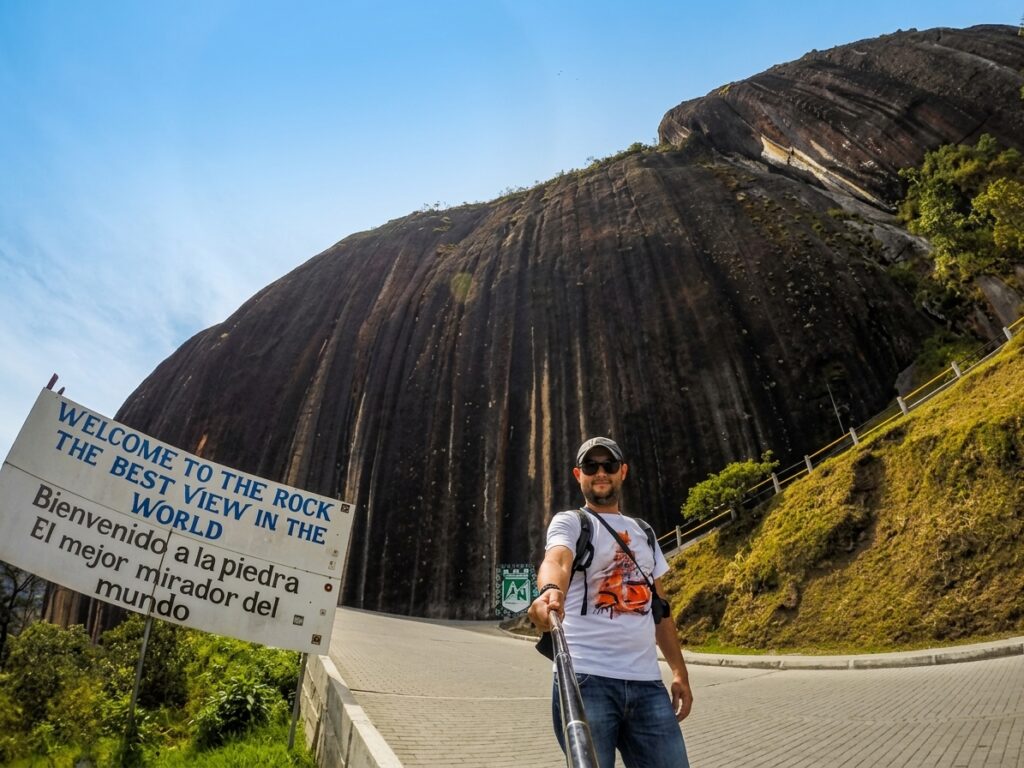
I stood at the bottom for a while, looking up at the rock. You can’t help but look up and think, “Am I really going to climb all the way up there?”
The answer is yes.
One of the most impressive things about El Peñón is that you can climb to the top using the hundreds of steps built into the rock. So you don’t just admire this enormous rock formation from below, you can actually climb the stairs and make your way to the top.
How to Get to El Peñón de Guatapé
After getting off the bus, you have two options for reaching the entrance to El Peñón.
The first option is to take one of the small three-wheeled tuk-tuks available in the area. At the time of my visit, the ride cost around 2,000 Colombian pesos.
The second option is to walk. I chose to walk without giving it much thought. From where you get off the bus, it takes around 15–20 minutes of uphill walking to reach El Peñón.
For me, this walk was actually part of the experience. You get to see more of the surrounding area while slowly making your way toward the massive rock that you first spotted from a distance.
How Many Steps Are There at El Peñón de Guatapé?
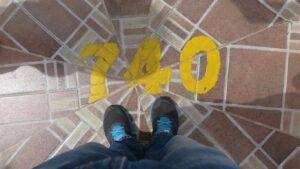
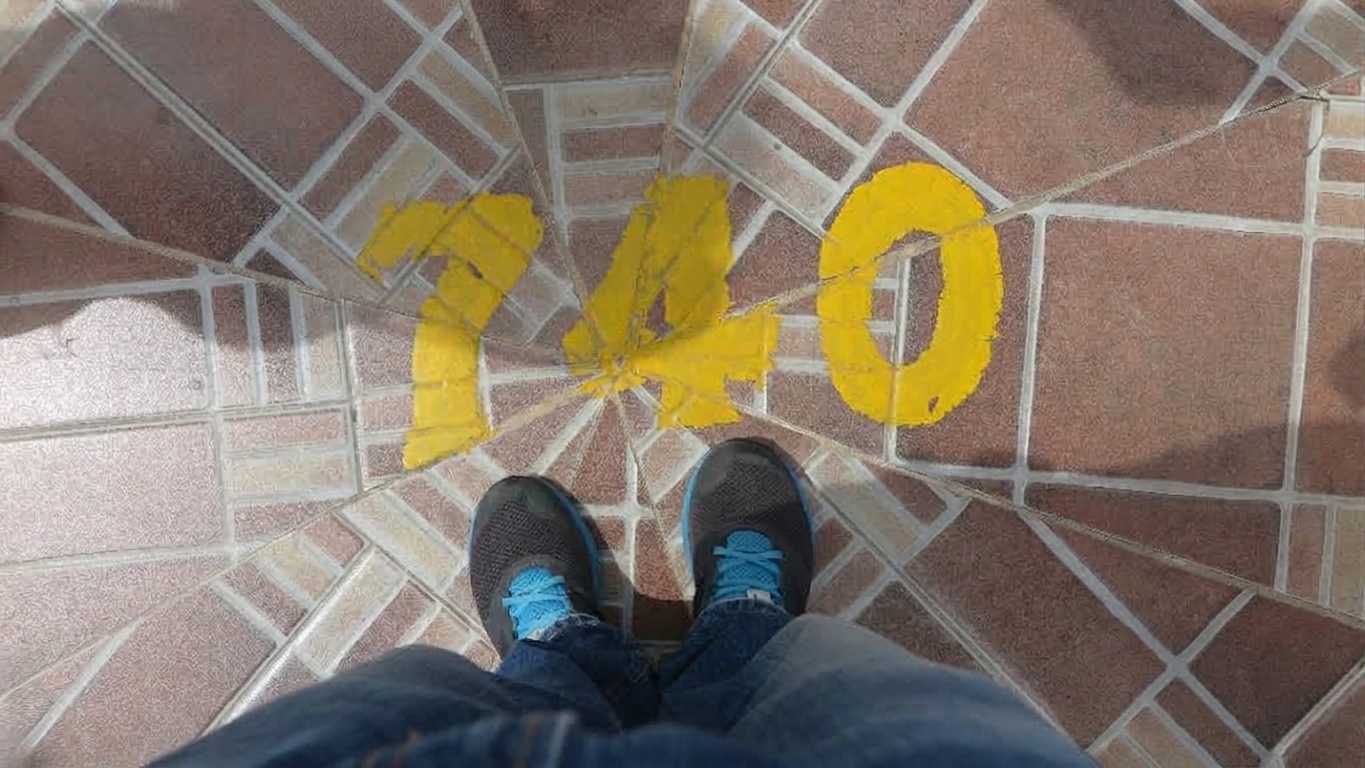
Now we come to the part of the visit that most people are curious about. To reach the top of El Peñón de Guatapé, you have to climb 740 steps.
The first few hundred steps aren’t too bad. You’re still excited about the climb, and your energy is fresh. But after a while, things start to change. Your legs begin to feel the effort, and you may find yourself stopping more often to catch your breath.
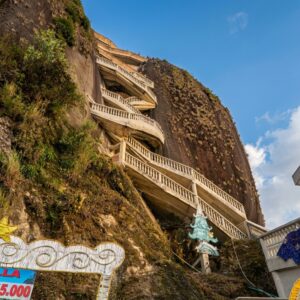
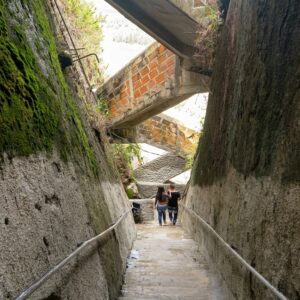
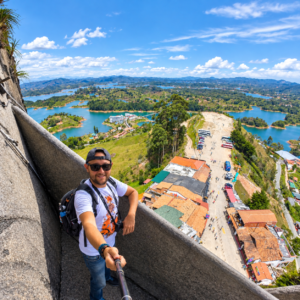
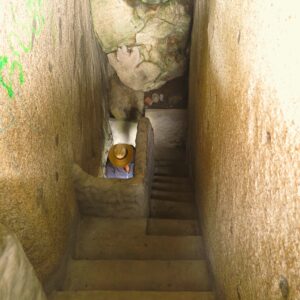
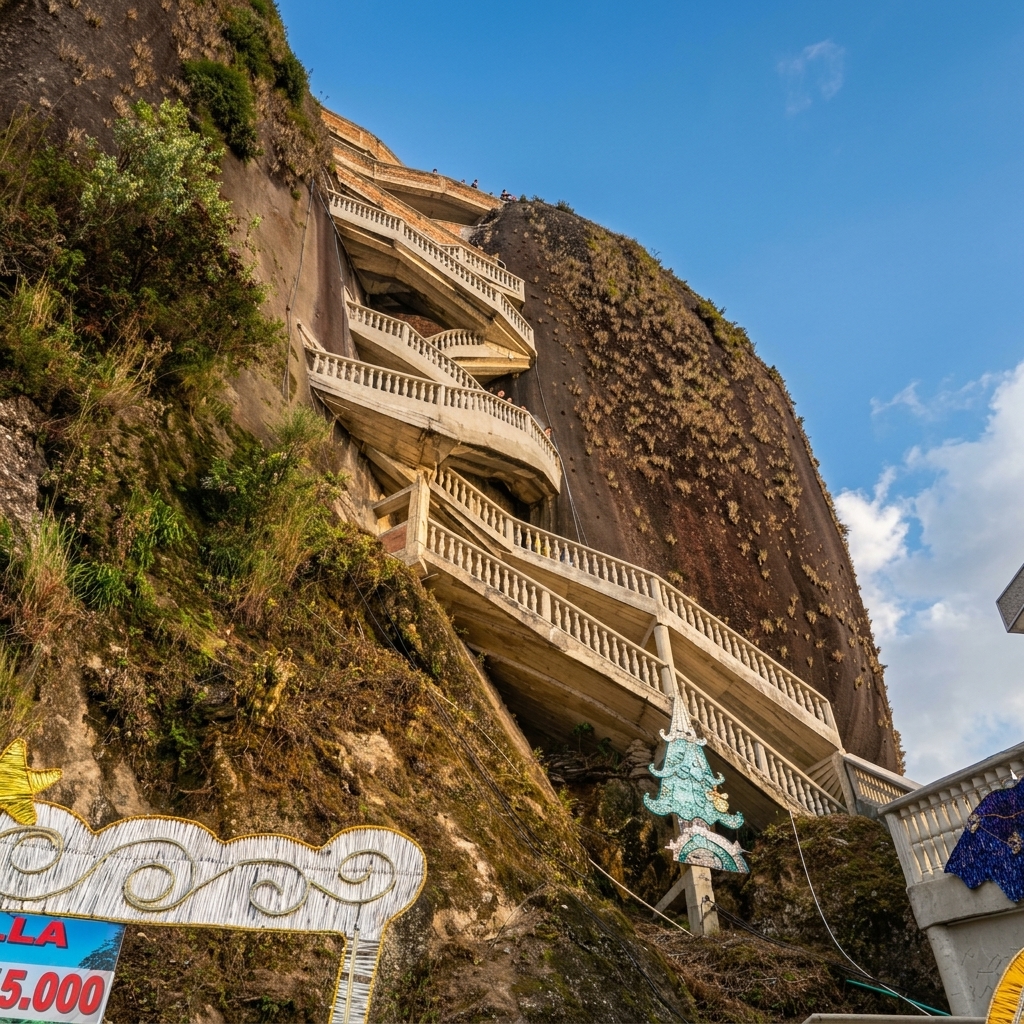
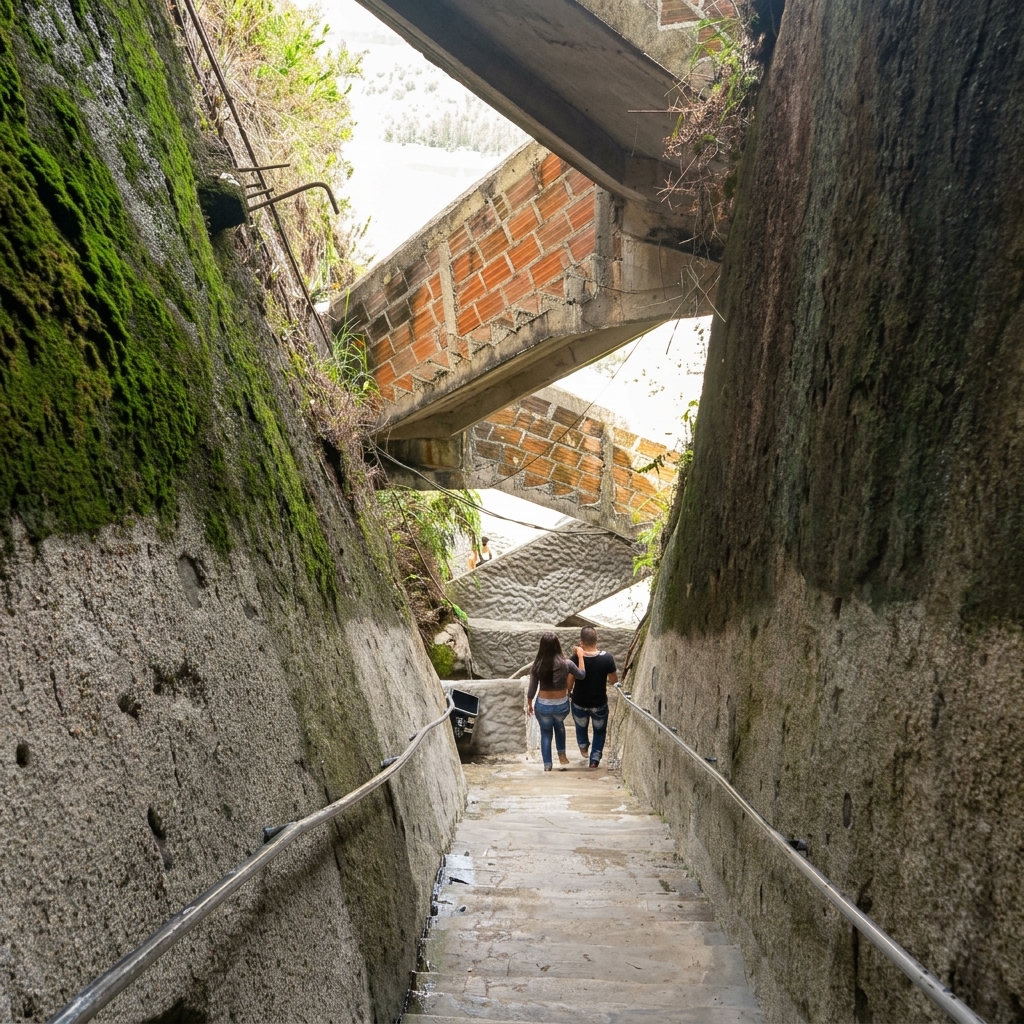
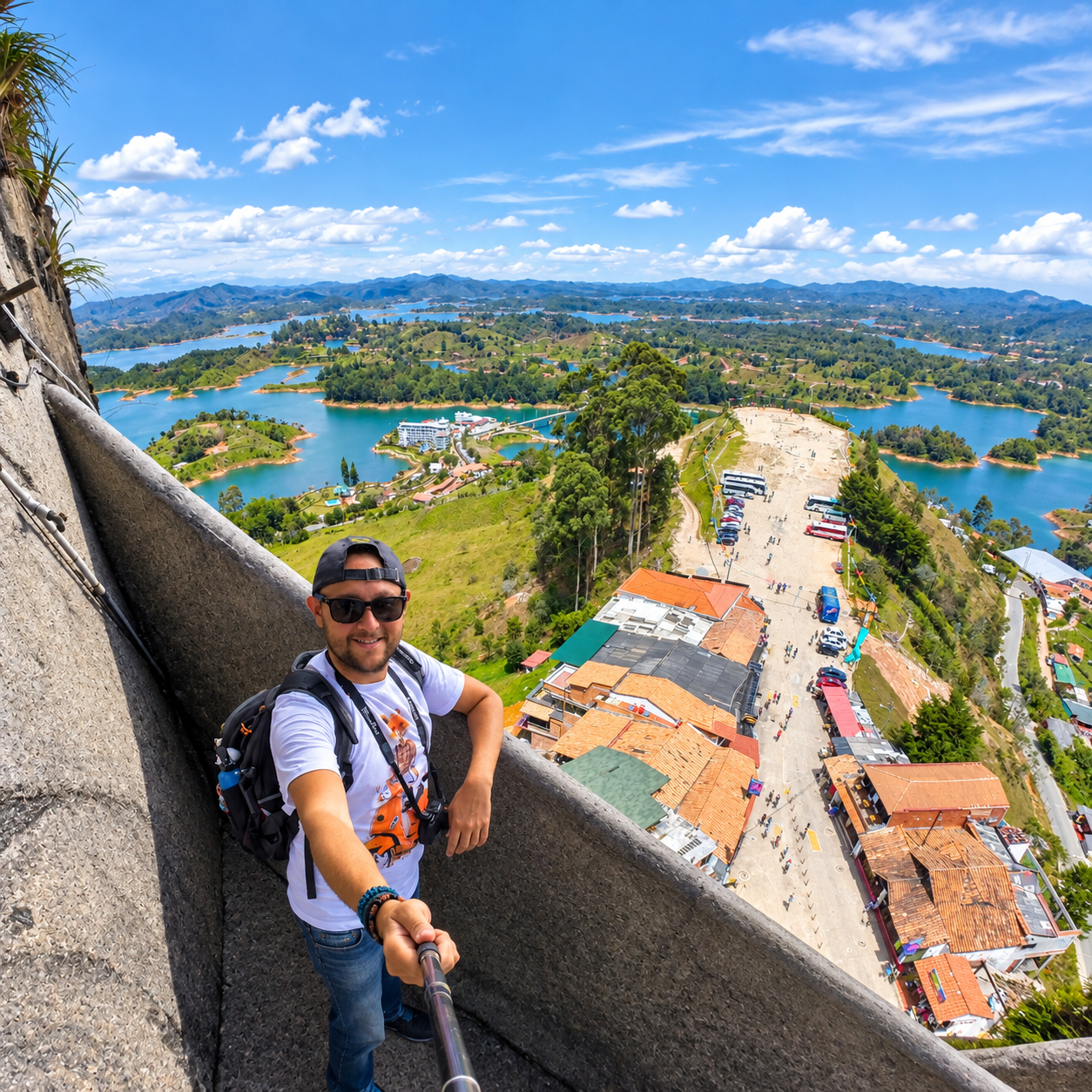
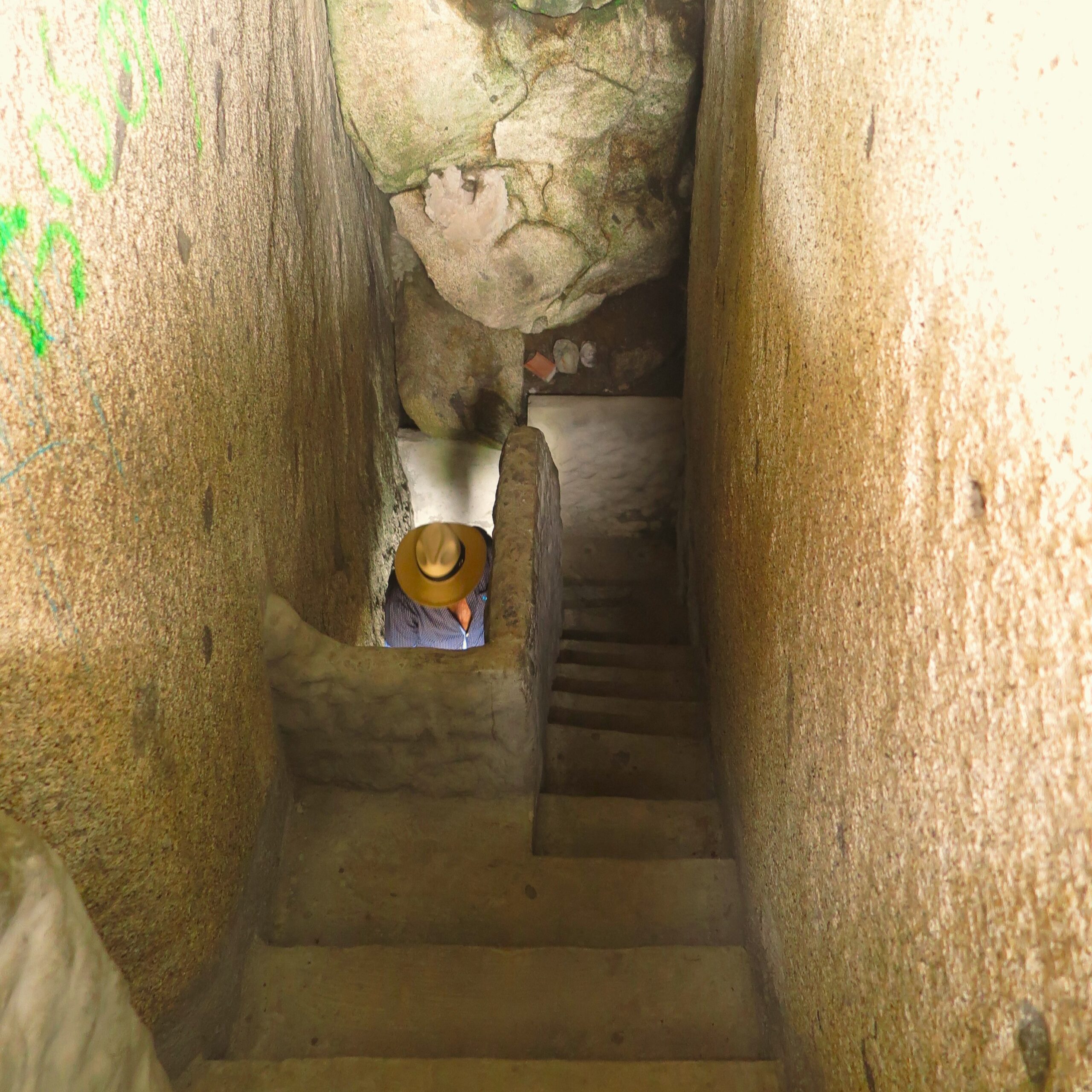

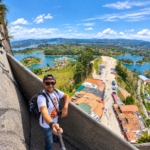
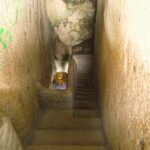
Although climbing all those steps is not easy, you don’t have to keep going without a break. You can stop whenever you need to, catch your breath, and turn around to enjoy the view behind you.
In fact, these little breaks became one of the things that kept me motivated. With every stop, the view gets a little bigger and more impressive. And as you climb higher, you naturally start wondering, “What does the view look like from the very top?”. That curiosity alone is enough to keep you going.
The Magnificent View at the End of 740 Steps
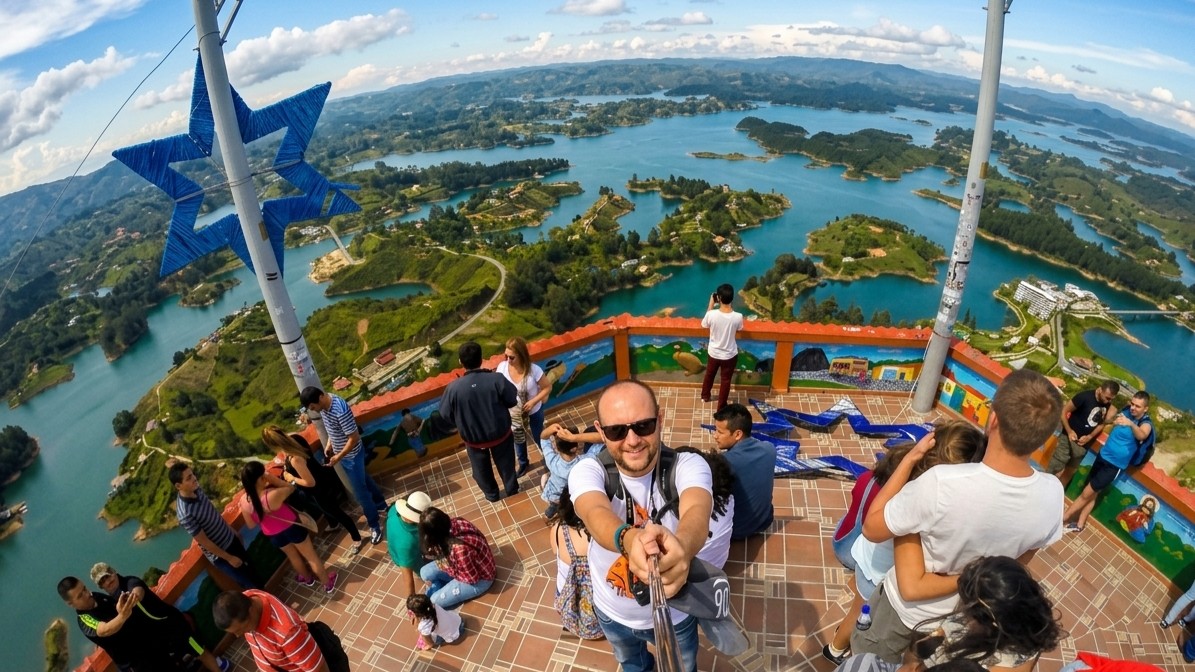
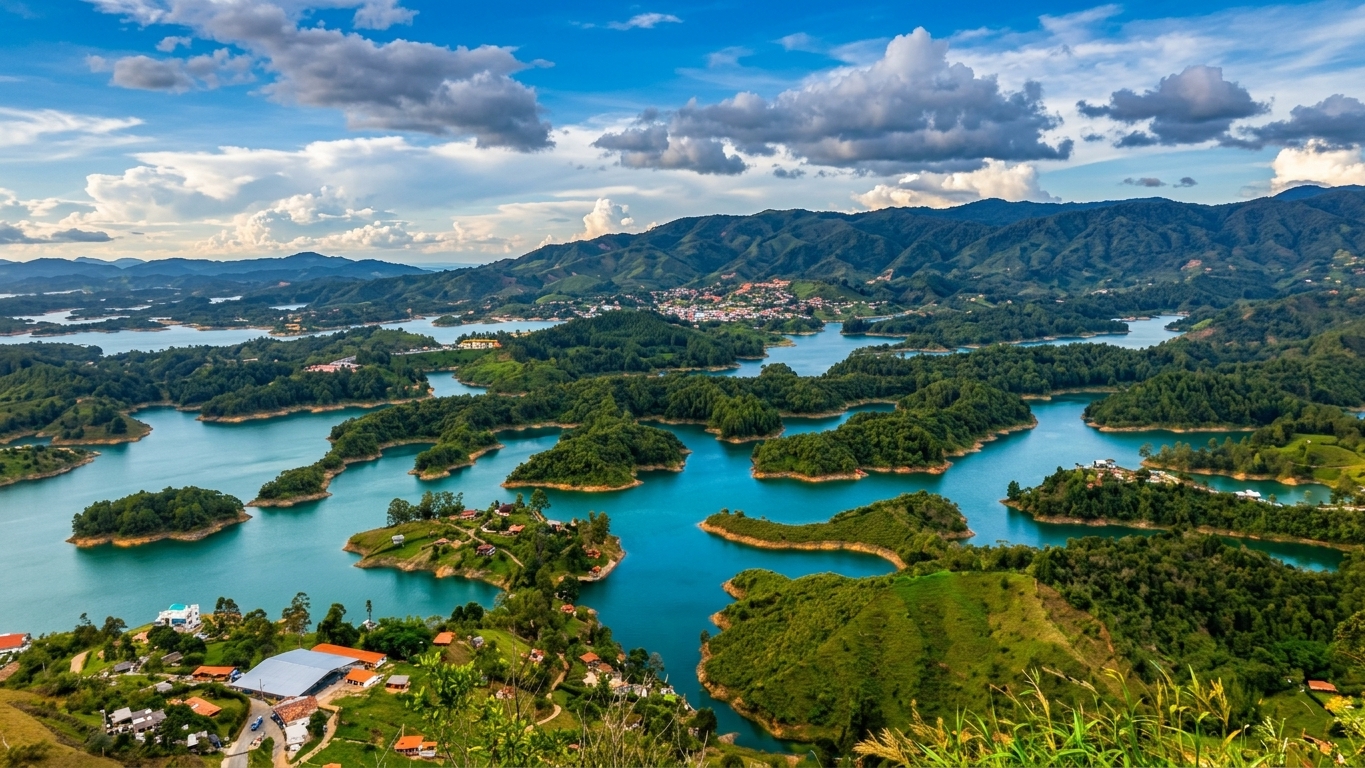
Once you reach the top of the final steps, all the tiredness seems to disappear. That’s because a truly spectacular view is waiting for you at the summit. Below, the Peñol-Guatapé Reservoir stretches out with its beautiful coves, small islands, and peninsulas, surrounded by lush green hills. The winding shape of the reservoir gives the landscape an almost maze-like appearance.
The view is so impressive that you may find yourself constantly taking photos. So, if you enjoy photography, make sure to spend some time at the summit of El Peñón de Guatapé. After climbing 740 steps, you won’t want to leave this place anytime soon.





El Peñón de Guatapé Entrance Fee and How Long to Stay
When I visited El Peñón de Guatapé, I paid 15,000 Colombian pesos for admission. Of course, entrance fees can change over time. As of 2026, the entrance fee is 35,000 Colombian pesos. So, it’s a good idea to check the latest price when planning your trip to Guatapé.
I spent around 2 hours at El Peñón de Guatapé, and that was enough time for me. I walked around the rock, bought my ticket, climbed all 740 steps, enjoyed the view from the top, and took plenty of photos.
Of course, you can spend longer here if you want to take your time at the summit or explore the area at a more relaxed pace. My plan, however, was to visit the town of Guatapé on the same day, so I didn’t linger too long at El Peñón and continued on to my second stop.
Getting to Guatapé Town
After visiting El Peñón, it was time to head to Guatapé town.
The two places are actually quite close to each other. After coming back down from El Peñón, you can return to the area where you got off the bus and take one of the buses heading to Guatapé. The bus ride takes approximately 15–20 minutes.
If you don’t want to wait for a bus, you can also take one of the small tuk-tuks available in the area. At the time of my visit, I paid around 4,000 Colombian pesos for the ride.
Since I didn’t want to wait, I decided to take a tuk-tuk. After a short ride, I arrived in Guatapé town and started the second part of my day trip.
Getting Lost in Guatapé’s Colorful Streets
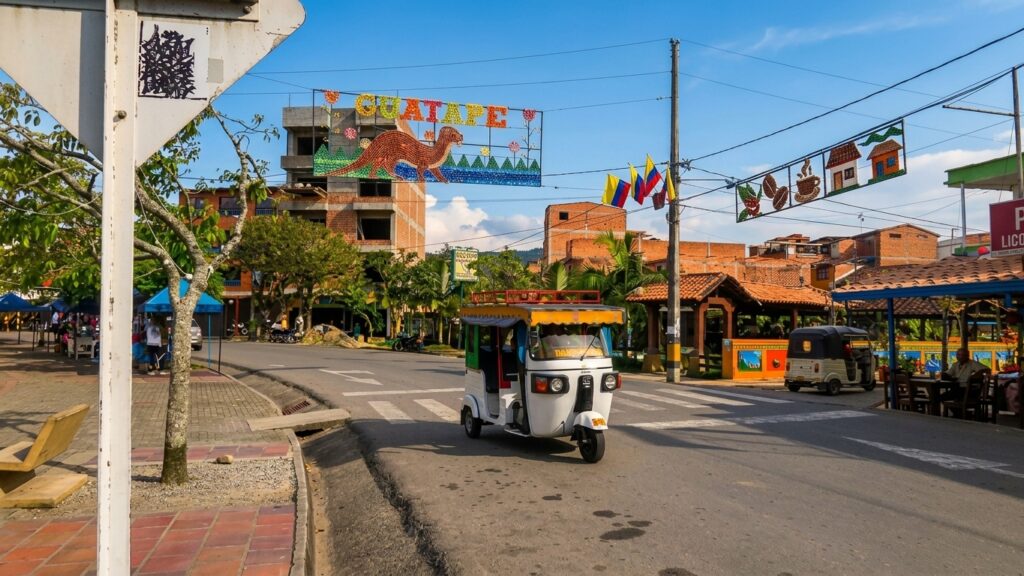
Even as you approach Guatapé, the vibrant colors around you immediately give you a sense of why this town is so famous.
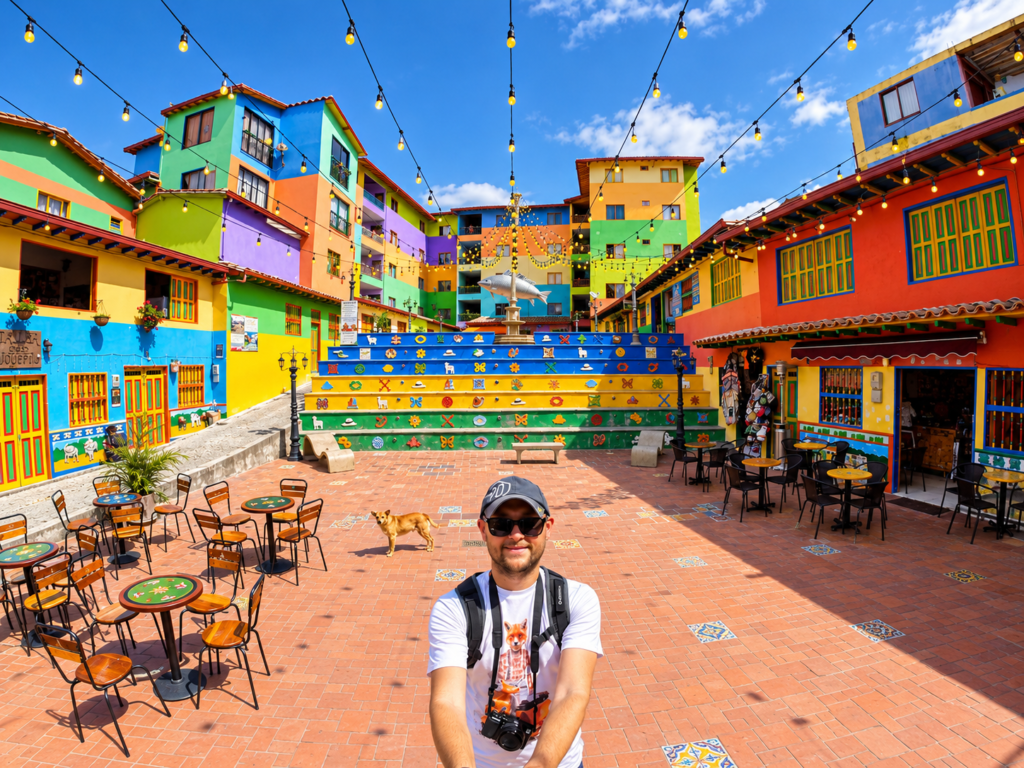
The buildings are decorated with all kinds of colorful patterns, figures, and Guatapé’s famous zócalos, traditional decorative reliefs found on the lower parts of the facades. Walking through these streets feels almost like stepping into a fairytale. With something beautiful to photograph around every corner, the first thing I did after arriving was get my camera ready.
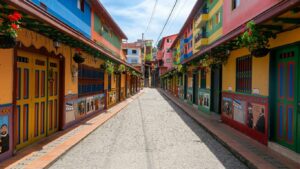
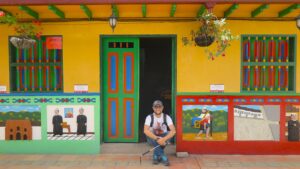
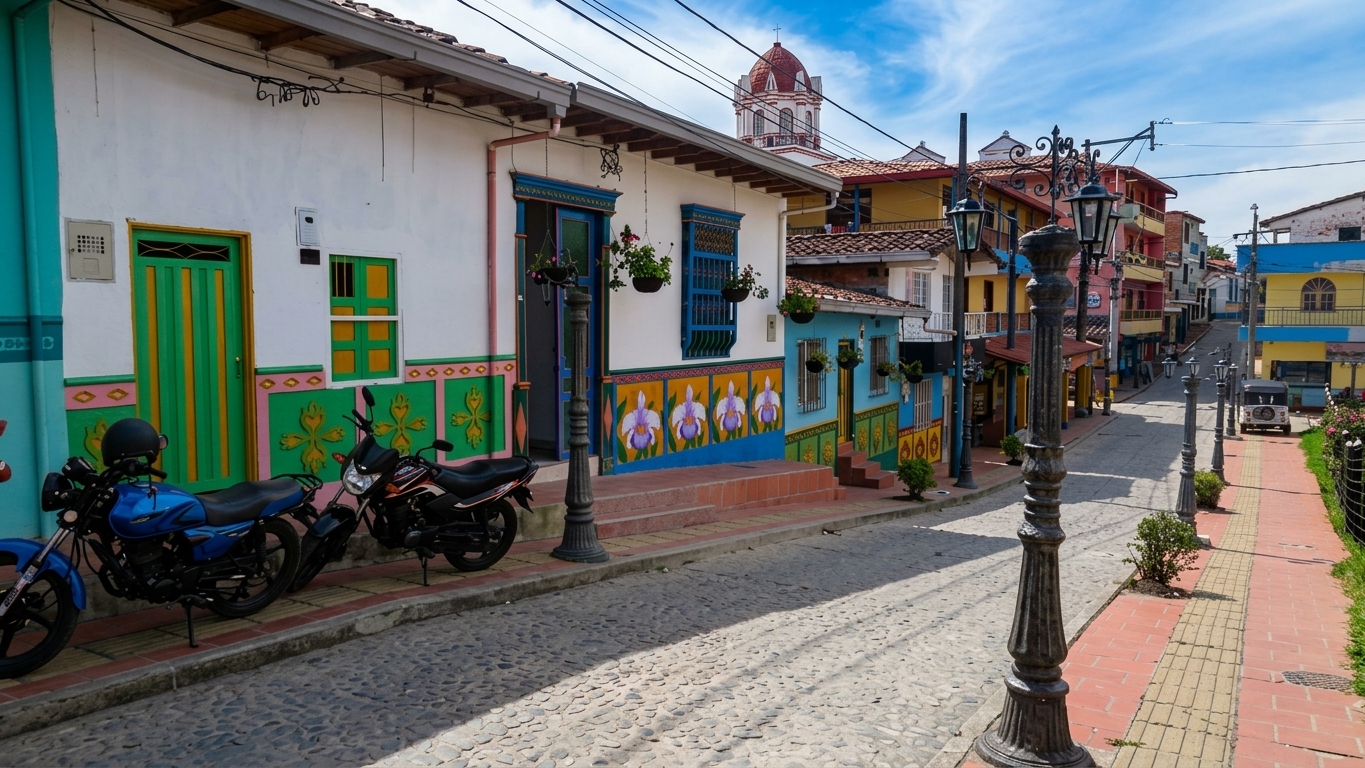
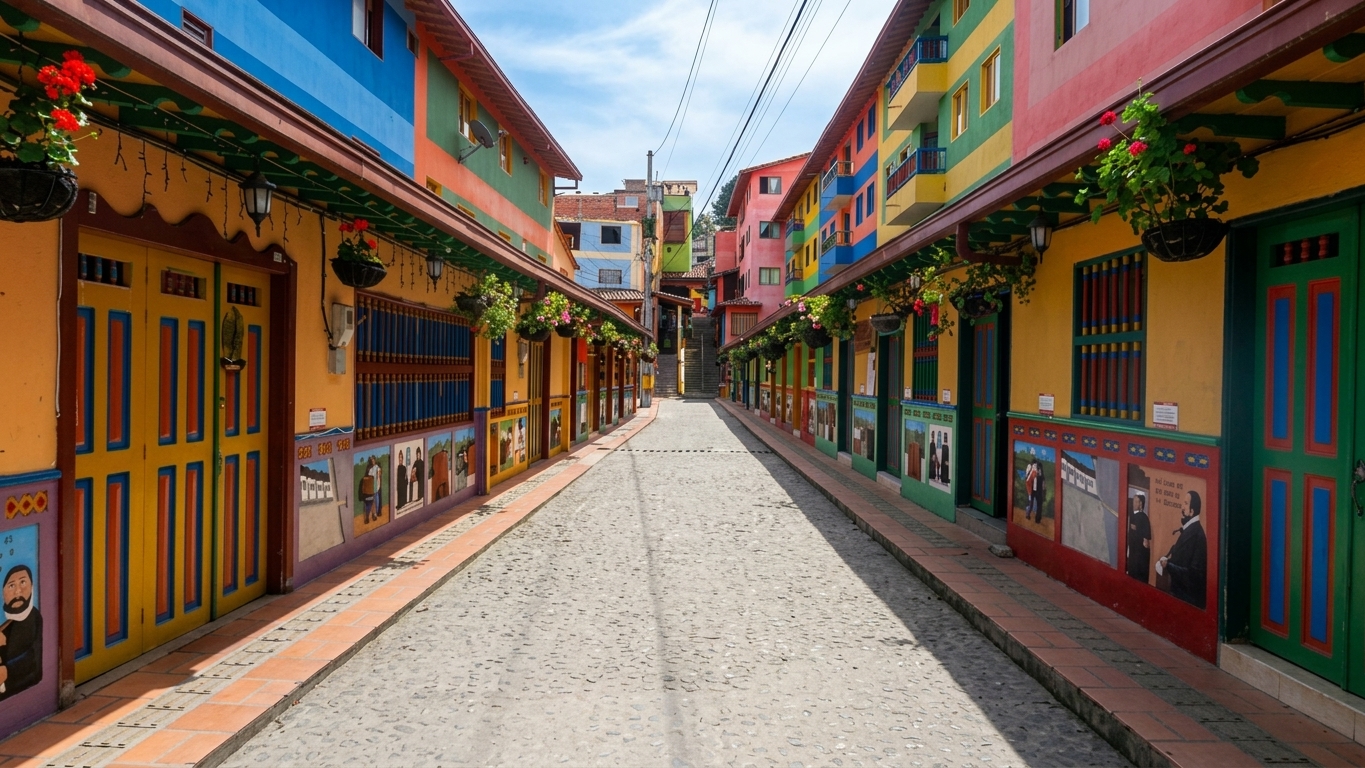
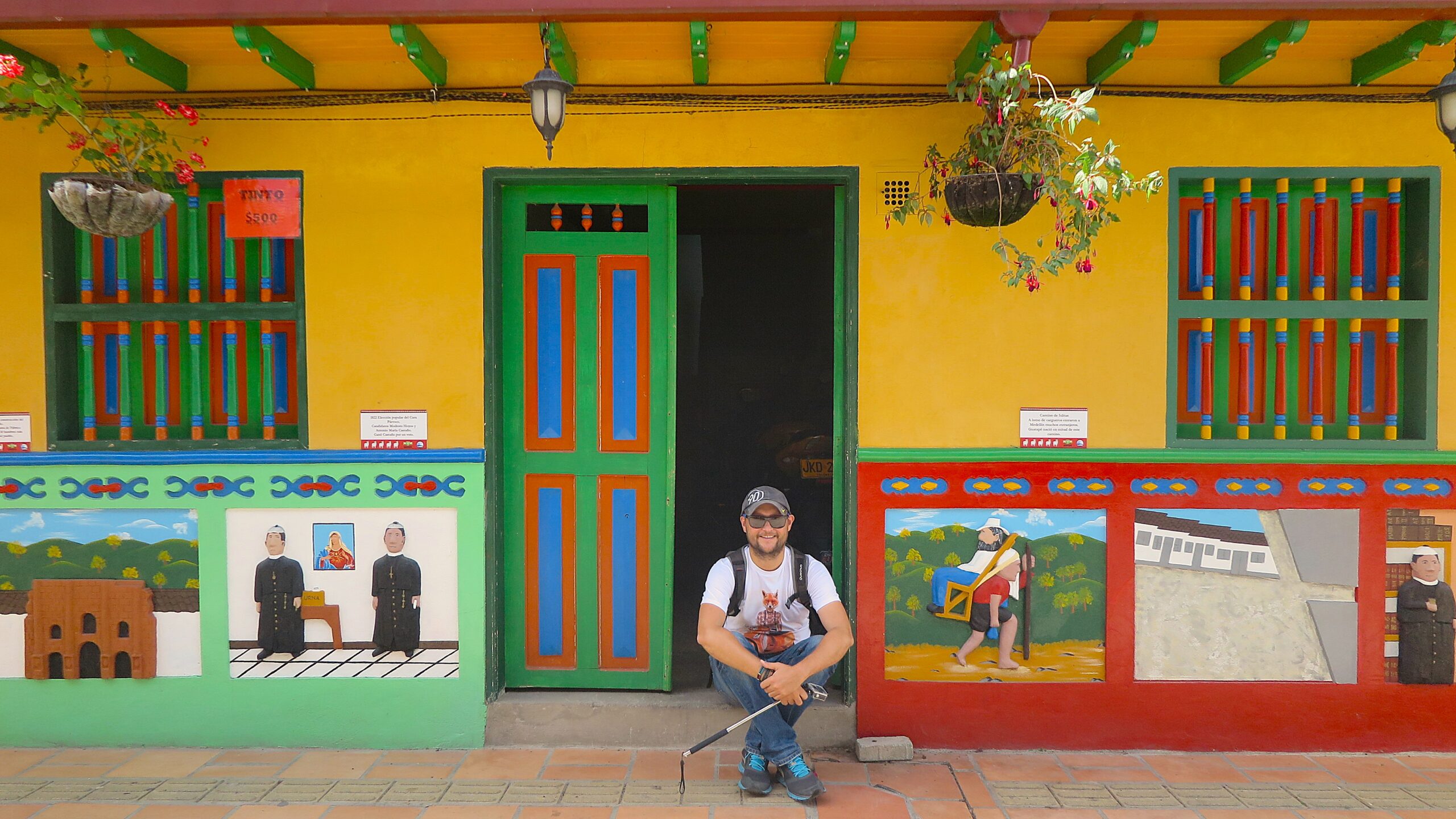
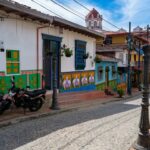
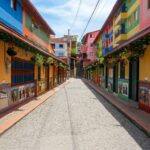
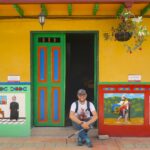
I think the best way to explore Guatapé is to forget about following a set route and simply let yourself wander through the streets.
Walking freely among the colorful windows, decorated doors, and patterned walls was one of my favorite experiences in Guatapé. The real beauty of this town isn’t just found at the main tourist attractions; it’s also hidden in the small, unexpected details you discover while wandering through its streets.
Colorful Reliefs on Guatapé’s Houses: Zócalos
One of the most distinctive features of Guatapé is the colorful decoration found along the lower parts of the town’s buildings. These decorations are known as zócalos, a word that comes from the Spanish term “zócalo.” In general, the word refers to the lower part, base, or plinth of a building. In Guatapé, however, it is used specifically for the colorful, raised, hand-painted panels found along the lower sections of house facades.
From what I learned, these decorative panels also had a practical purpose in the past. Some zócalos were used to indicate what type of craftsman or business operated in a particular building. In a way, you can think of them as an older and much more colorful version of the shop signs we see today.
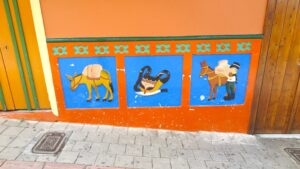
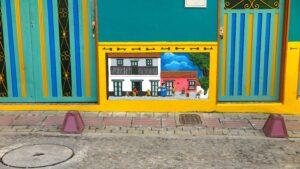
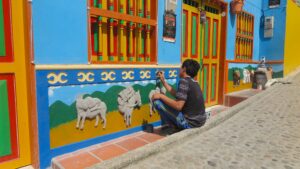
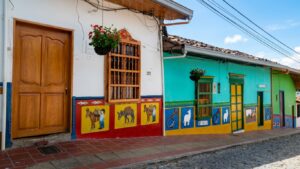
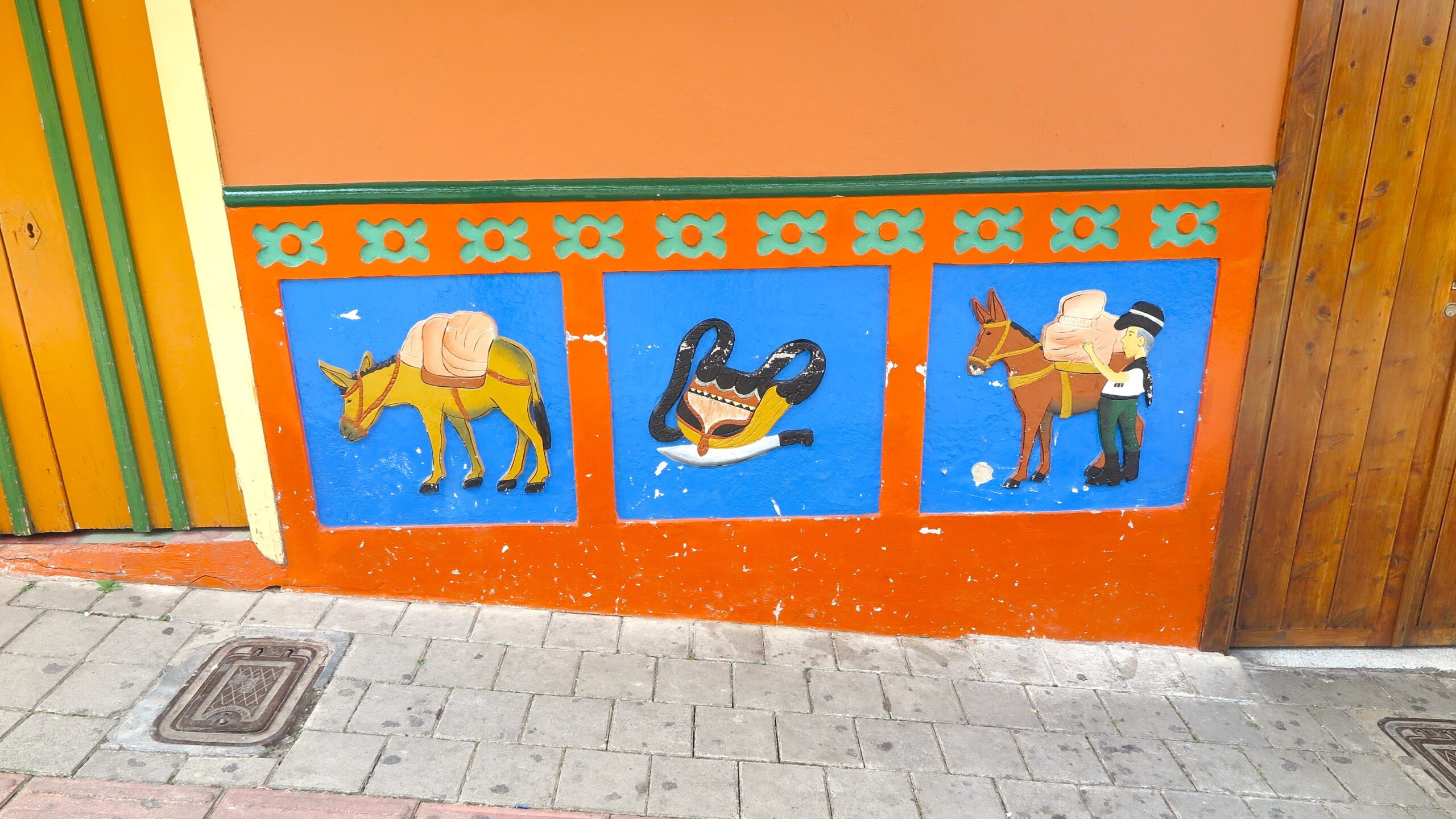
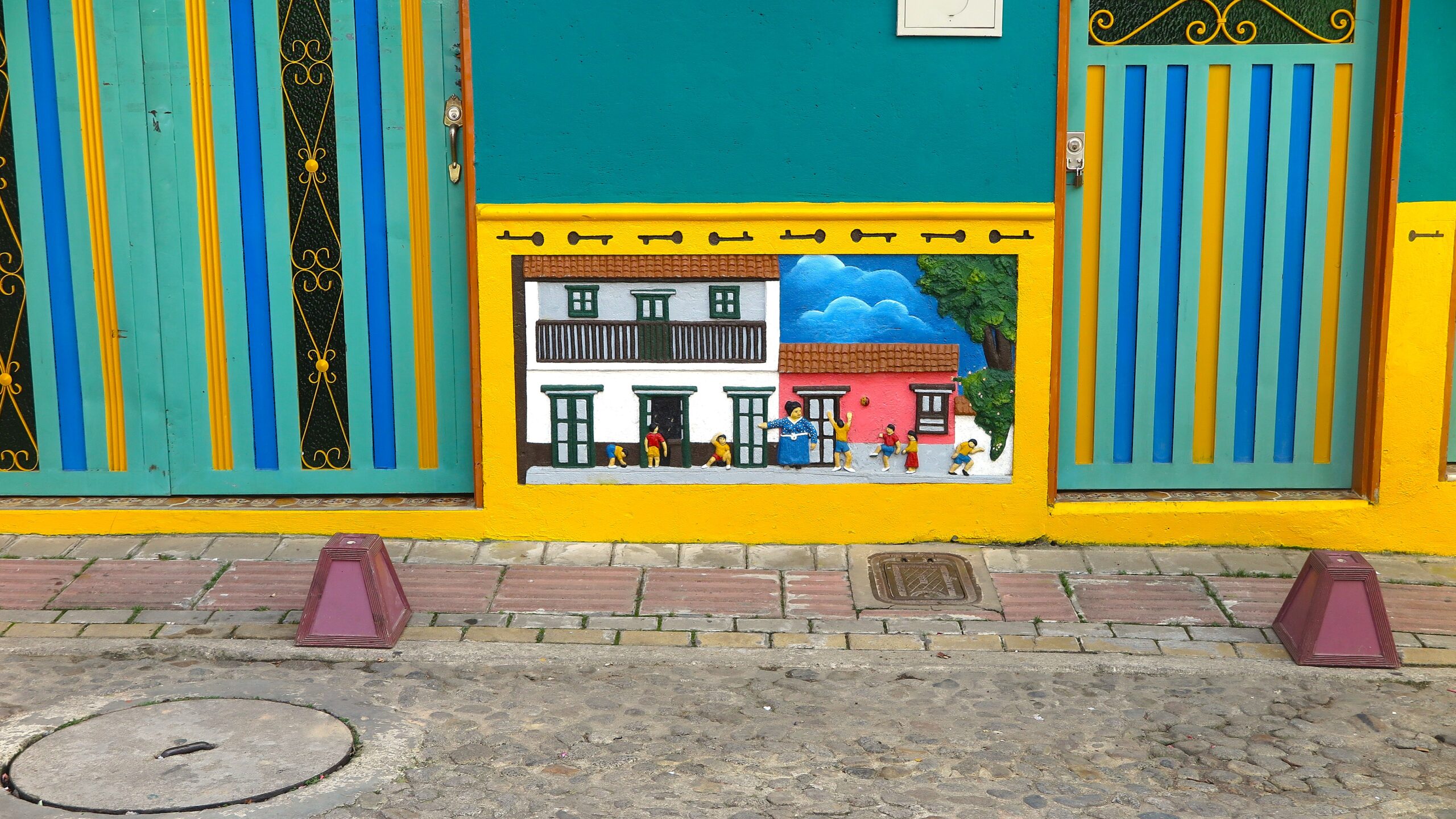
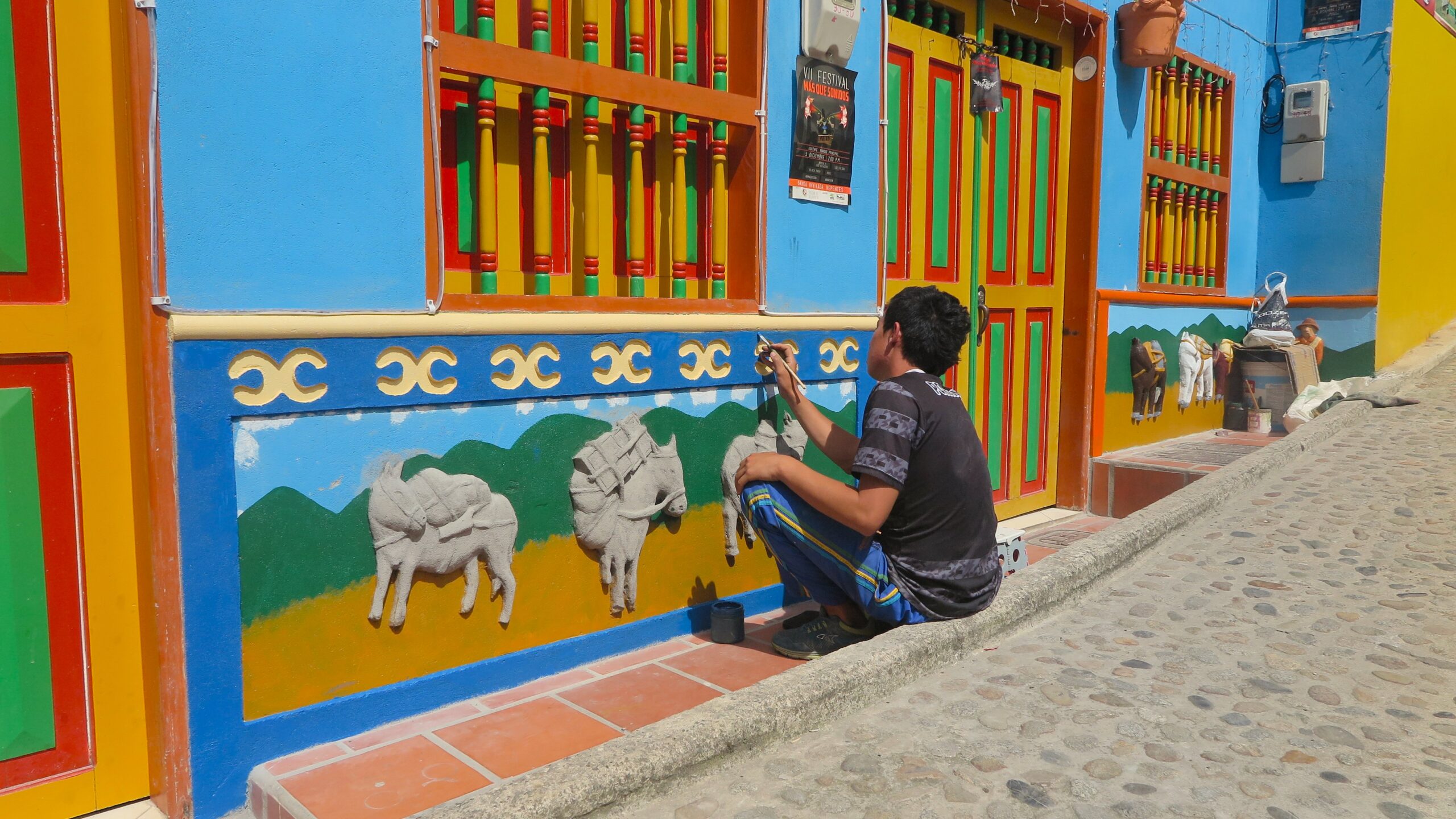
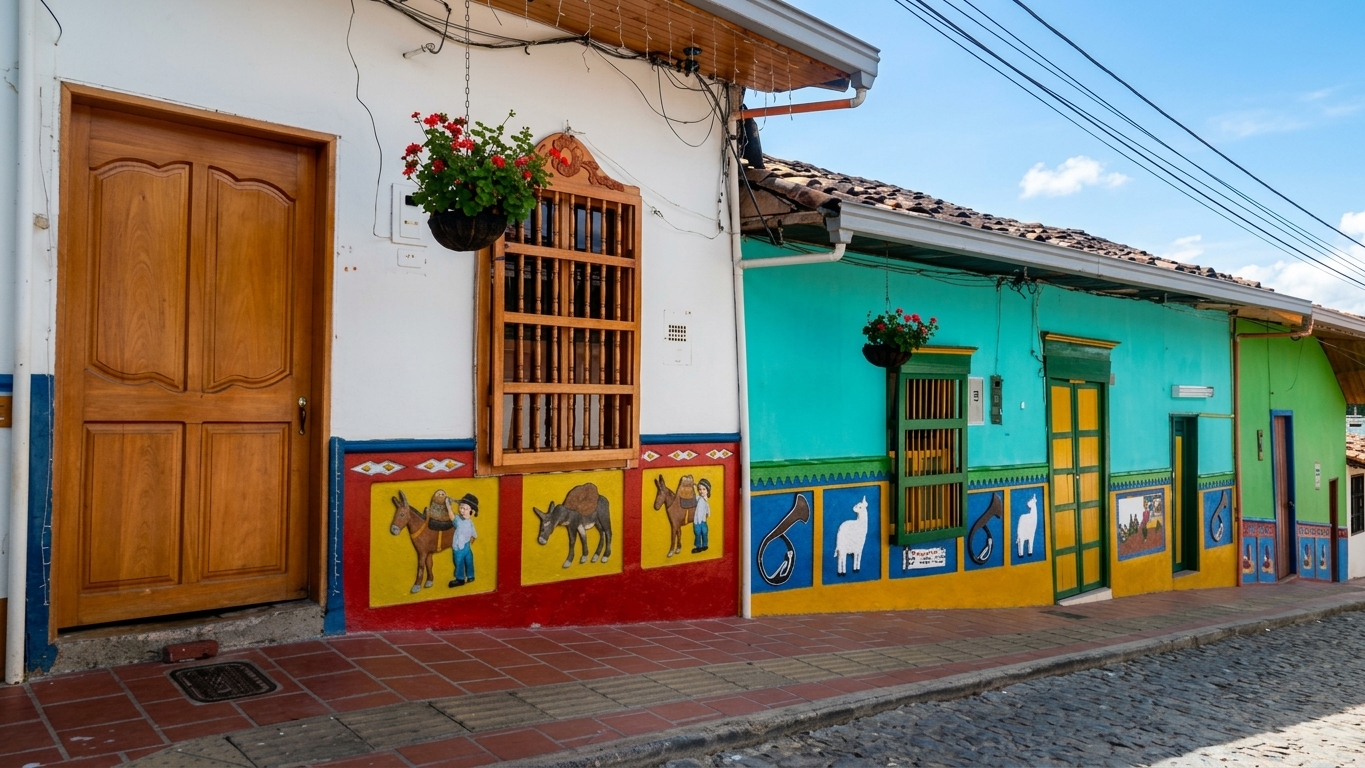
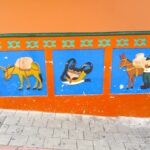
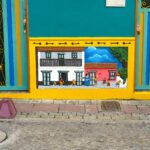
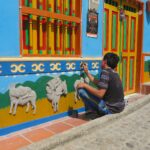
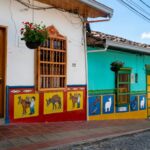
For example, a building occupied by a tailor might feature a relief related to tailoring, while a barber’s shop could have a figure representing the barbering profession. You can also find zócalos featuring animals, plants, scenes from everyday life, and various elements inspired by nature.
So, as you walk through the streets of Guatapé, I recommend paying attention not only to the colorful buildings but also to the figures and details on the zócalos. Each one can tell a different story or carry its own meaning.
Parroquia Nuestra Señora del Carmen Church and Parque Principal
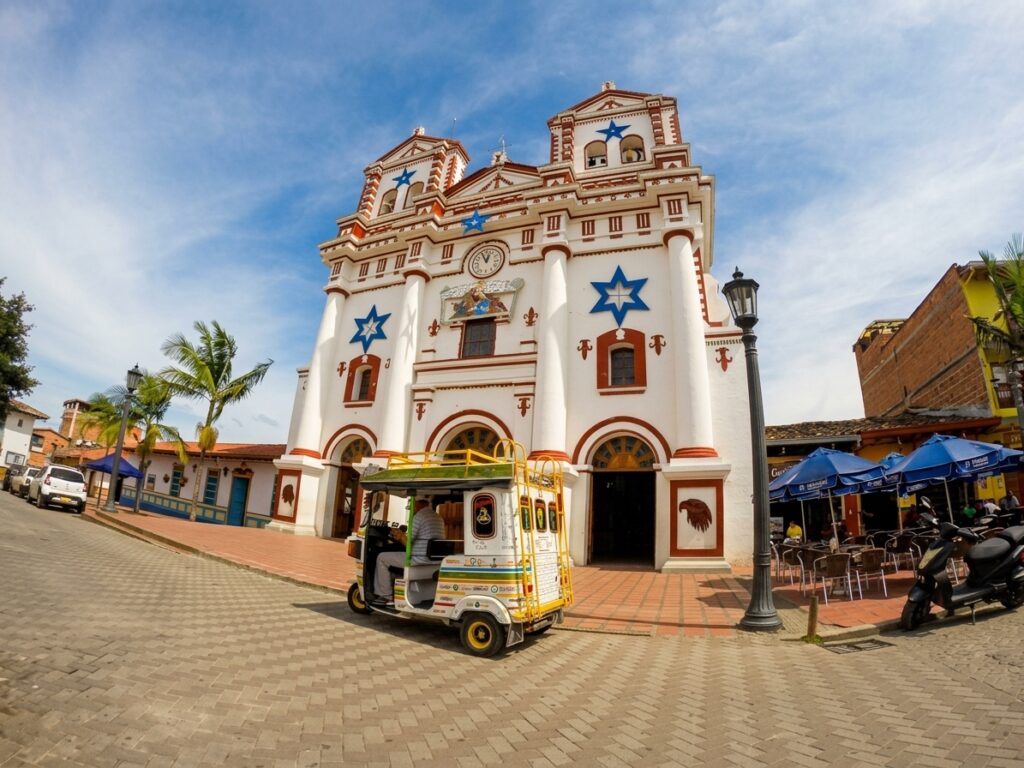
Guatapé’s heart, Parque Principal, brings together much of the town’s social and cultural energy, with its traditional houses decorated with colorful zócalos, lively cafés, and local shops. Standing directly across from this bustling square is the impressive Parroquia Nuestra Señora del Carmen Church.
The foundations of the church were laid in 1865, and the first section was opened in 1867. It took nearly 70 years to complete the entire building. Featuring elements of Greco-Roman architecture, this historic church stands out with its wide arches, magnificent wooden columns, beautiful stained-glass windows, and distinctive zócalo details characteristic of Guatapé. One of the most striking features of its exterior is the Louis XIV-style French clock, added to the building in 1930.
Peñol-Guatapé Reservoir
After exploring Guatapé’s colorful streets and zócalos, you can head to the Peñol-Guatapé Reservoir to experience a completely different side of the town. Stretching between the mountains, this vast body of water is not a natural lake but an artificial reservoir created as part of a hydroelectric project in the 1970s. Today, it is one of the most characteristic features of the Guatapé landscape.
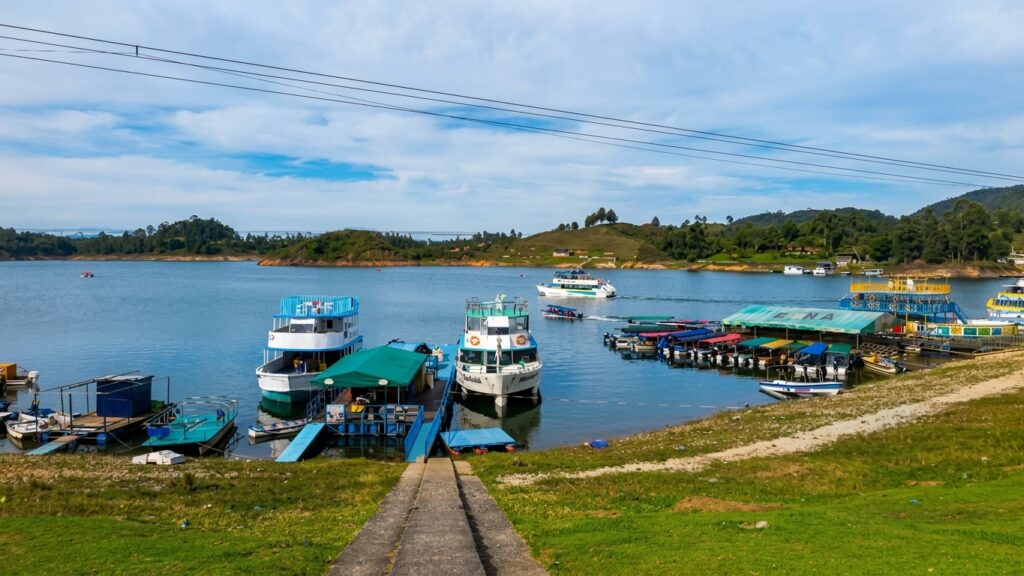
One of the best ways to explore the reservoir is by taking a boat tour. As you cruise across the water, you can enjoy views of beautiful coves, green islets, and lakeside homes from a different perspective. For a more adventurous experience, activities such as kayaking, canoeing, paddleboarding, wakeboarding, and water skiing are also available.
But behind this beautiful landscape lies a somewhat sad story. When the reservoir was created, the old town of El Peñol was flooded, and its residents were relocated to a new settlement. Although some rural areas of Guatapé were also affected by the reservoir, it was El Peñol whose original town was completely submerged.
How Much Time Do You Need in Guatapé?
I explored Guatapé on foot in just a few hours, and I think that’s more than enough for a day trip. However, if you don’t want to rush, you can easily spend more time in town. A few hours is ideal for wandering through the streets, visiting Parque Principal, walking down to the lakeside, and grabbing something to eat. My recommendation is to spend the morning at El Peñón and the afternoon in Guatapé. This way, you can fit two very different experiences into the same day.
Is Guatapé Worth Visiting from Medellín?
I definitely think it is. You can experience two completely different sides of Colombia in a Guatapé day trip from Medellín.
In the morning, you can climb the 740 steps of El Peñón de Guatapé and enjoy breathtaking views of the lakes and lush green landscape from the top. In the afternoon, you can wander through Guatapé’s colorful streets and admire the beautiful zócalos decorating the town’s houses.
On one side, you have the grandeur of nature; on the other, the colorful small-town life of Colombia. I think that’s exactly what makes Guatapé so special.
You’ll be a little tired by the end of the day, but it’s the kind of tiredness that feels good. If you’re visiting Medellín and want to get away from the city for a day, make sure to add Guatapé and El Peñón de Guatapé to your itinerary. For me, it was one of the most colorful days of my trip to Colombia.
Finished exploring Guatapé and feeling hungry? Check out my guide ‘What To Eat In Medellin : Food & Places‘ for an insider’s look at the city’s vibrant culinary scene!
Colombia Tropical Fruits: 10 Must-Try Exotic Flavors
Thanks to its tropical climate and fertile soil, Colombia tropical fruits offer an exceptionally rich…
Guatapé Guide: Guatapé Day Trip from Medellín
Guatapé – Some trips are like this: you leave early in the morning, spend the…
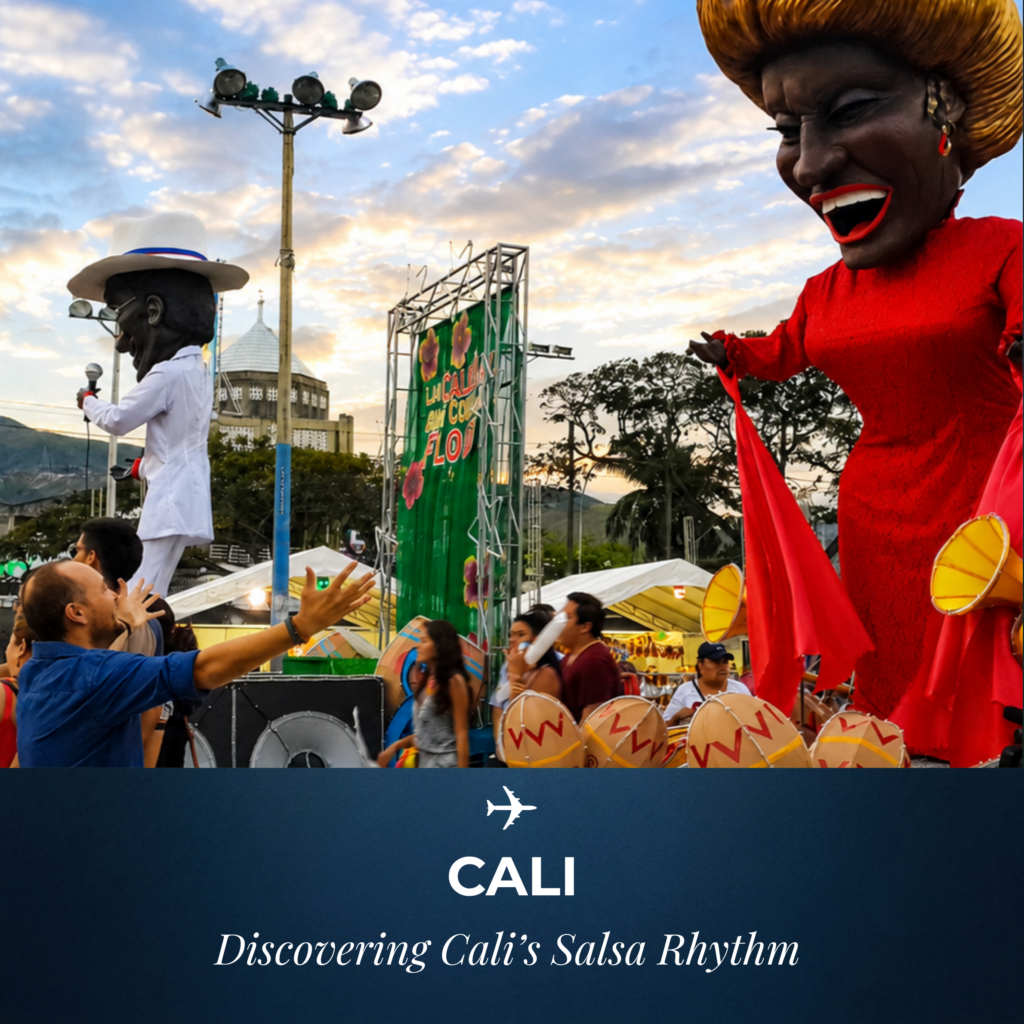
Salsa in Cali: Discovering the Rhythm of Dance in Colombia’s Salsa Capital
Salsa in Cali — Wherever the name of Cali, located in southwestern Colombia, is mentioned,…