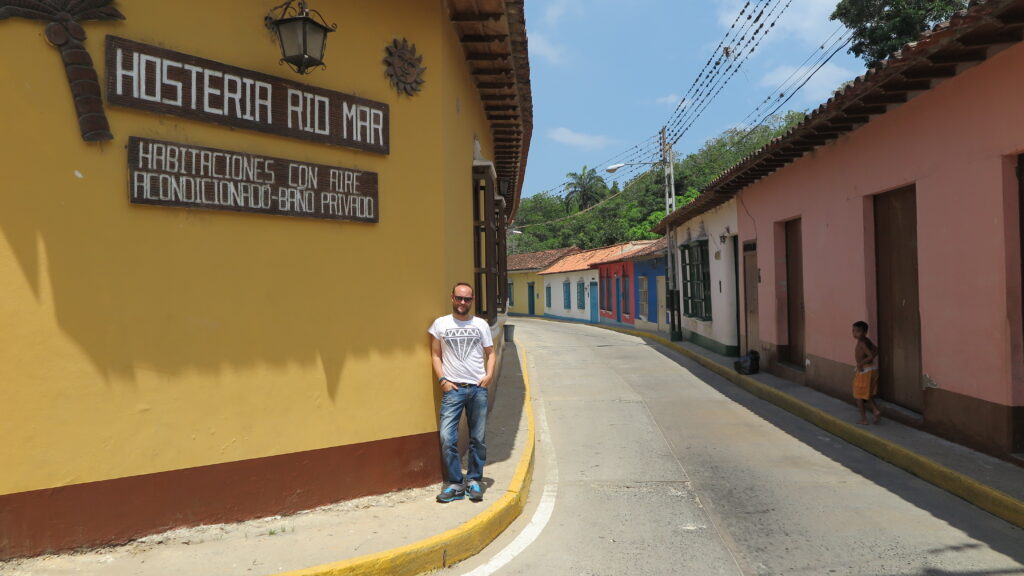
Choroni is a quiet, small town nestled in lush greenery, overlooking the turquoise waters of the Caribbean Sea. Although it strongly reflects Venezuela’s local culture, it is not a place frequently visited by foreign tourists. For that reason, its tranquility made it an ideal escape. At the same time, Choroni is a necessary stop on the way to Chuao, where one of the world’s most valuable cacao varieties, the Criollo cacao bean, is cultivated. With all this in mind, I turned my route toward Choroni.
Journey Beginning in Caracas
Getting to Choroni didn’t leave many choices. One option was to travel the entire way by private car; the other was to take a bus to Maracay and continue by private transport. The latter felt like the right call. Early in the morning, I was at the bus terminal called Terminal de Pasajeros La Bandera. There were many buses heading to Maracay, and I chose the very popular company Aeroexpresos (https://www.aeroexpresos.com.ve).
There’s something you should know about buses in Venezuela. As someone who has traveled between cities there several times, I can say that buses in this country are always very cold inside. So, I recommend bringing a long-sleeved piece of clothing with you during the trip. For night journeys, this could even be a blanket. What I’m saying may sound strange to you, but still, don’t ignore this advice.
From Maracay to Choroni
The journey to Maracay took about two hours. It was quite a comfortable trip. The private driver I had contacted while I was in Caracas, along with his friend, was waiting for me at the Maracay bus terminal. Venezuela is quite an inexpensive country, so hiring a private car with a driver is much more affordable than you might expect. Of course, traveling to Choroni by bus is also an option, but in terms of safety, I would say that renting a private vehicle is the better choice.
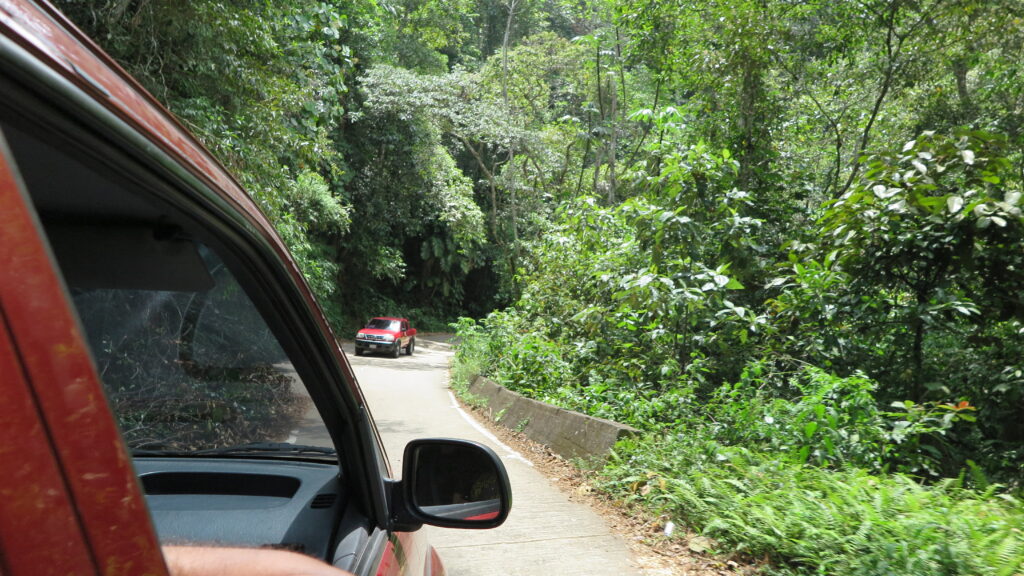
The journey to Choroni, during which we stopped several times along the way, took less than two hours. Without breaks, it could have been even shorter. The first 20 kilometers of the road were quite calm, but the truly interesting part began after that. In the second section, we traveled through lush green mountains, along roads that were sometimes quite narrow and winding. Although the scenery was beautiful, the nature of the road made it a route that required the driver to be extremely careful.
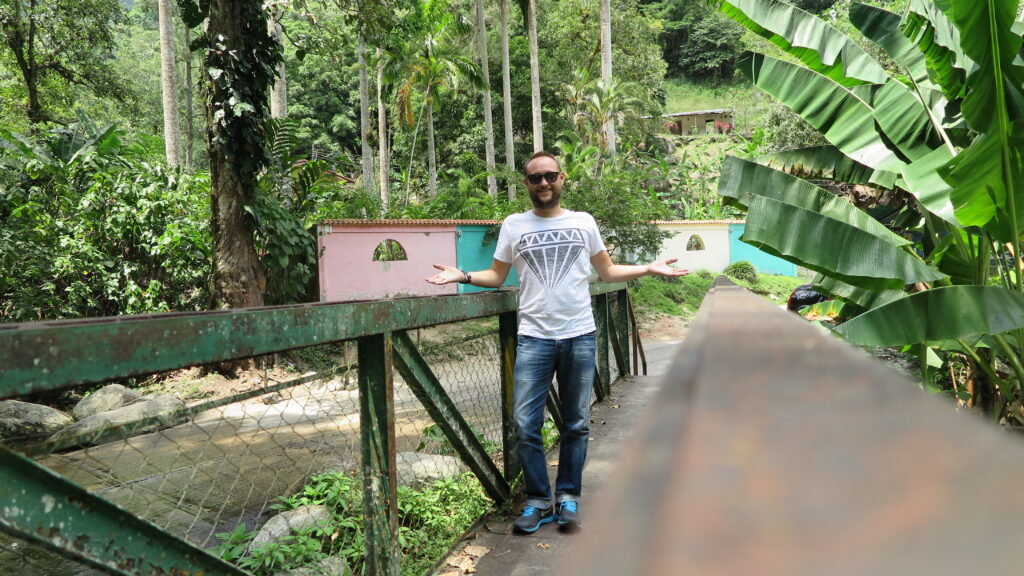
I’m in Choroni
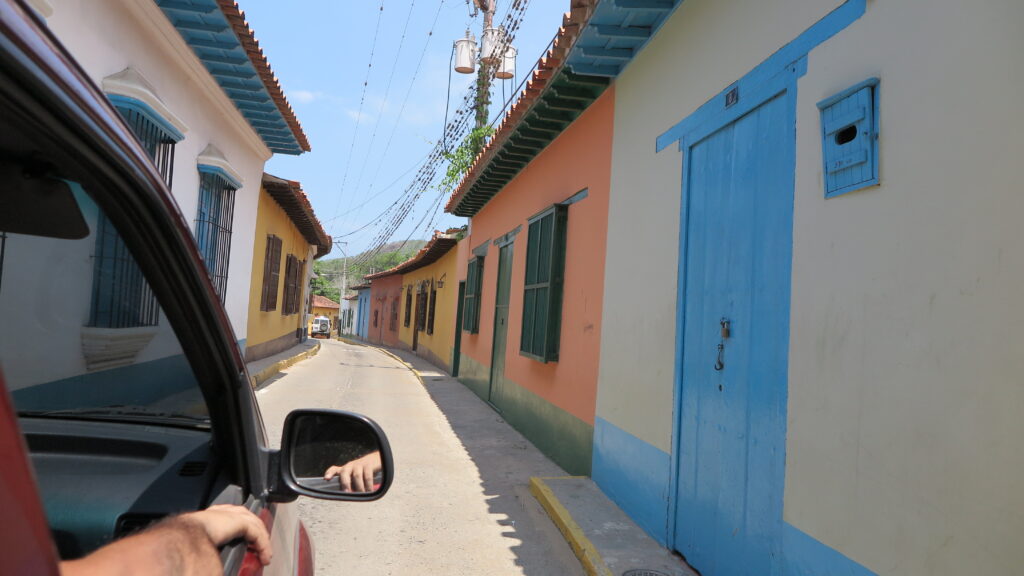
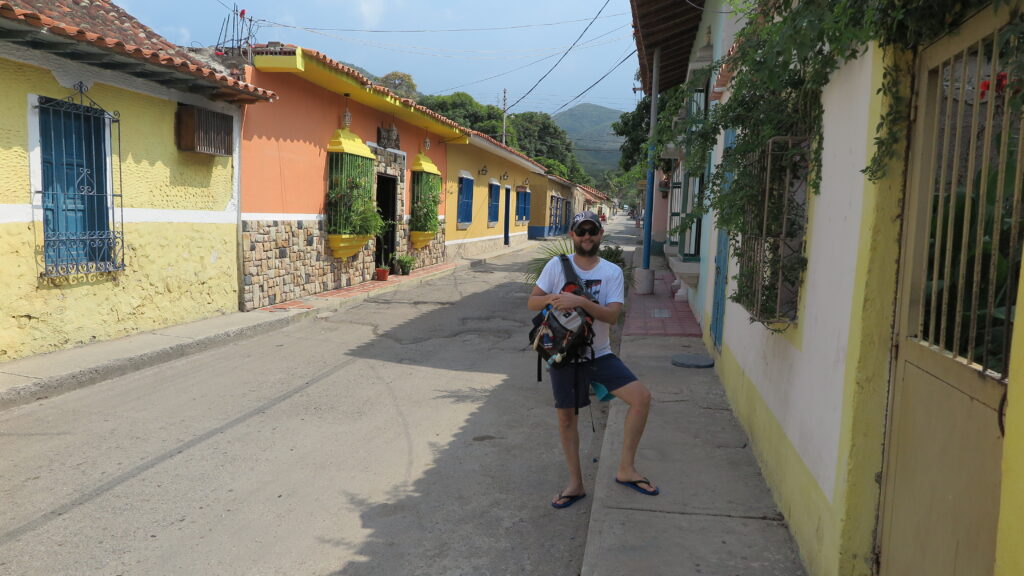
When we arrived in Choroni, the first thing that welcomed us was the charming narrow streets lined with colorful single-story houses. This scene was a true reflection of Venezuela’s vibrant world. Passing through these narrow streets, we arrived in front of the boutique hotel called Casa Mori, where I would be staying.
I’d like to tell you a bit about Casa Mori, where I stayed. It’s a boutique hotel with a swimming pool, a large garden, and a pleasant veranda. It actually feels like a big house that has been converted into a hotel, which is why it gives you a warm and welcoming feeling from the very first moment. During the days I stayed there, the hotel was quite peaceful. There were only the sounds of birds in the garden, with no sense of rush around. The staff were very hospitable, and I should also mention that the hotel was very good in terms of cleanliness.
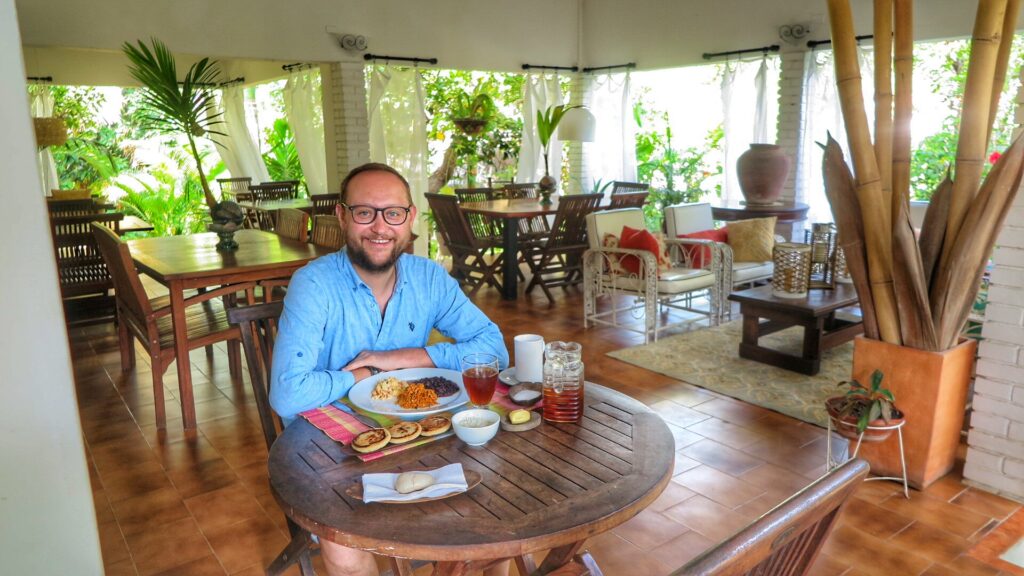
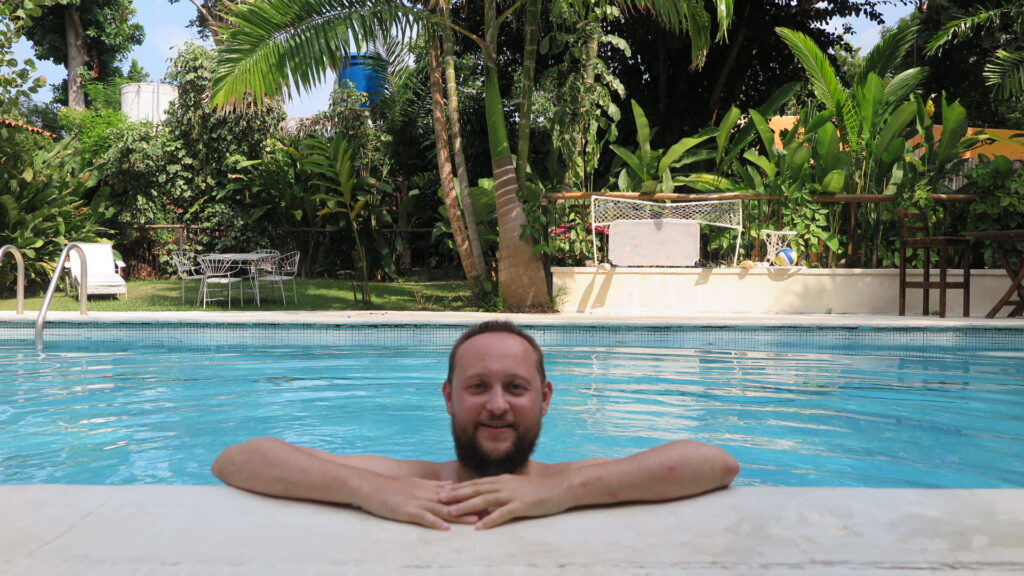
After completing the check-in process, I settled into my room. While exploring it, the thing that caught my attention the most was that the toilet and bathroom were located outside the room. At first, I was honestly a bit surprised. But by “outdoor,” I don’t mean a place completely exposed in the middle of nature. It was a private bathroom designed in a tropical style, surrounded by walls and filled with broad-leaf plants, open, yet entirely my own.
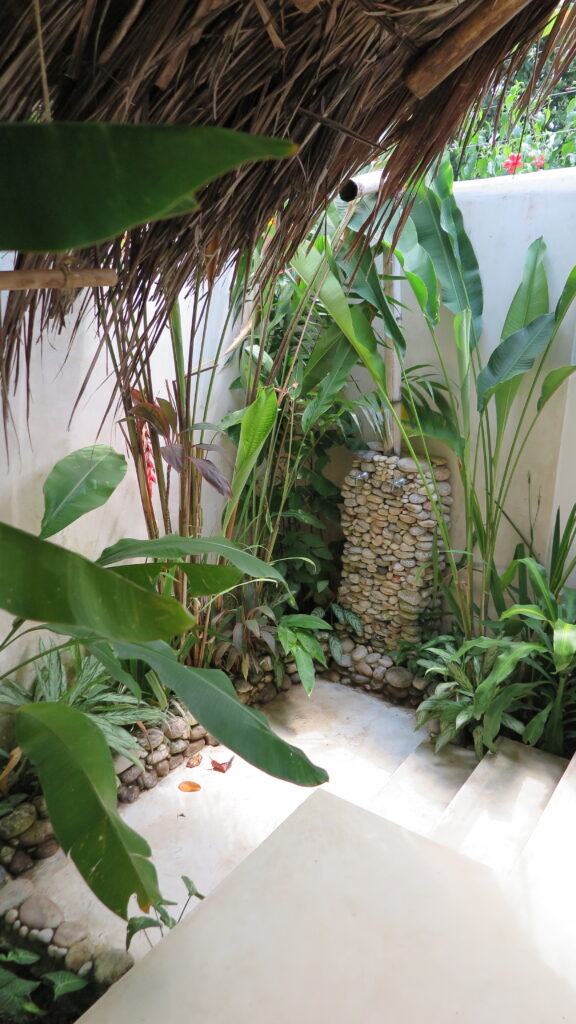
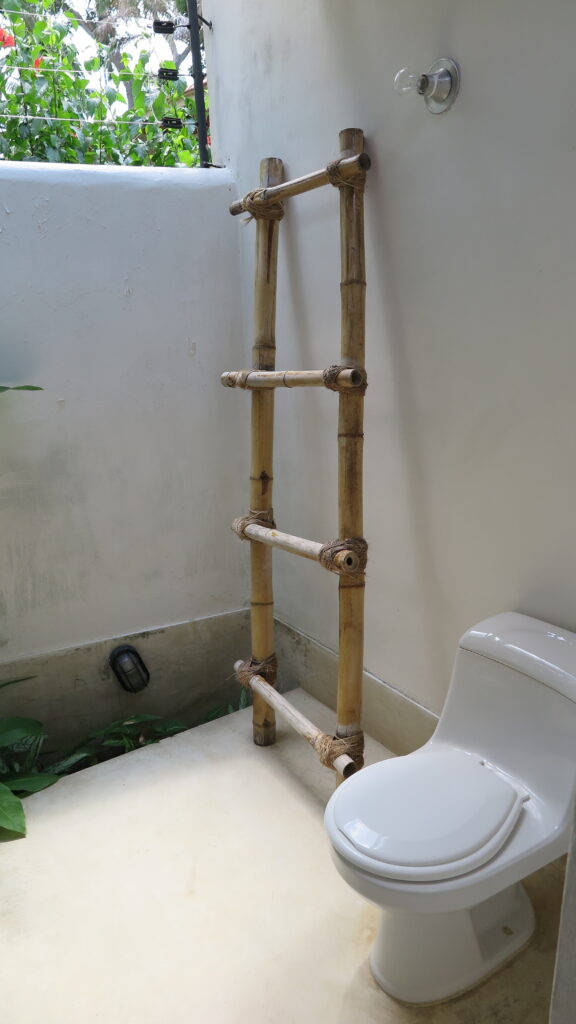
Going to the bathroom in the dim light at night felt a little strange at first, but daytime showers taken in the sunshine and greenery were enough to make me appreciate this design. Over time, this detail became one of the most memorable parts of the Casa Mori experience.
Wandering the Streets of Choroni
After settling into the hotel, I headed straight out to explore the streets of Choroni. I wandered around endlessly, going from one street to another. By the middle of the day, my main intention was to visit Choroni’s famous Playa Grande (Big Beach). The beach was about 1.5 kilometers from the hotel and could be reached on foot. However, instead of walking, I asked the driver I had arrived in Choroni with, and kindly, he didn’t refuse and dropped me off at the beach by car.
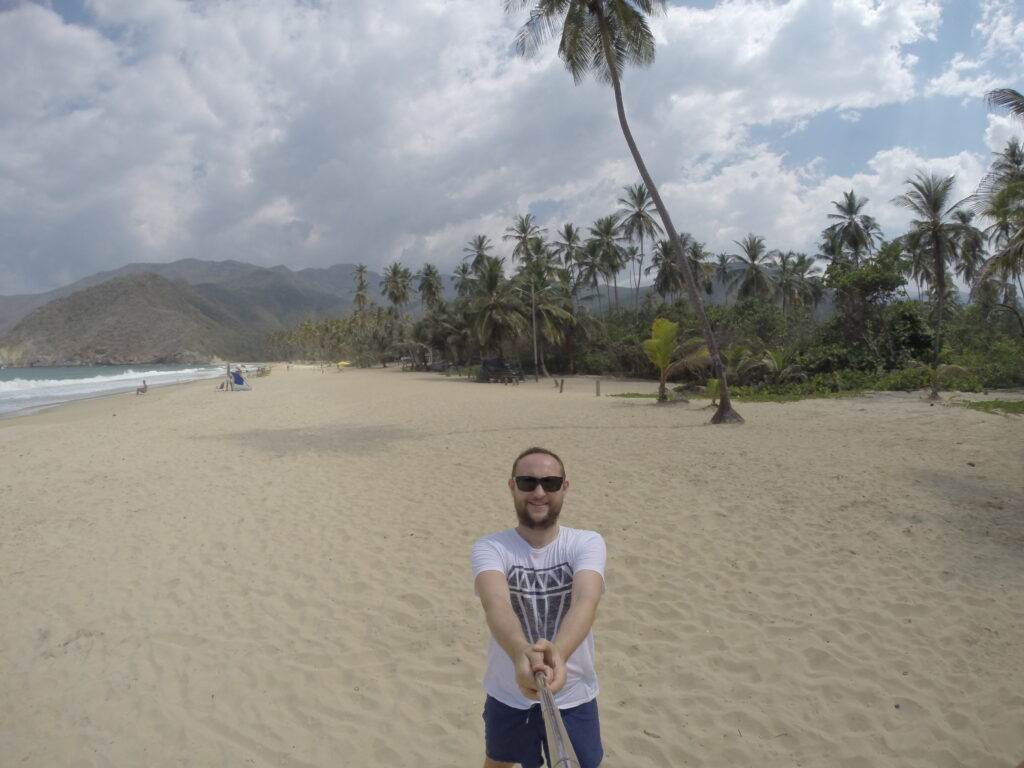
Playa Grande is a beautiful beach surrounded by palm trees and small hills, overlooking a deep blue sea. The fact that the shoreline is sandy is an extra plus. The only downside is the waves. People I chatted with told me that the sea is usually rough and that they are used to it. Influenced by the nice weather, I didn’t pay much attention to the waves and went into the water anyway. It felt as if I had left all the fatigue of the journey behind in the sea.
After enjoying the beach, we headed back to the town center to get something to eat. We sat down at a restaurant there, placed our orders, and satisfied our hunger. In Choroni, it’s easy to find the classics of Venezuelan cuisine, especially seafood, at several restaurants. By the way, a small note: when coming to Choroni, make sure to bring a mosquito spray or cream. Since the area is quite humid and close to water, mosquitoes can be a serious issue.
Heading to the Legendary Cocoa Village of Chuao
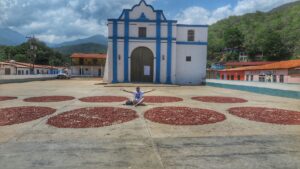
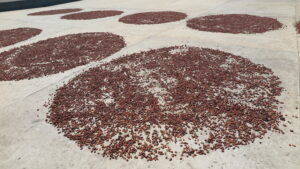
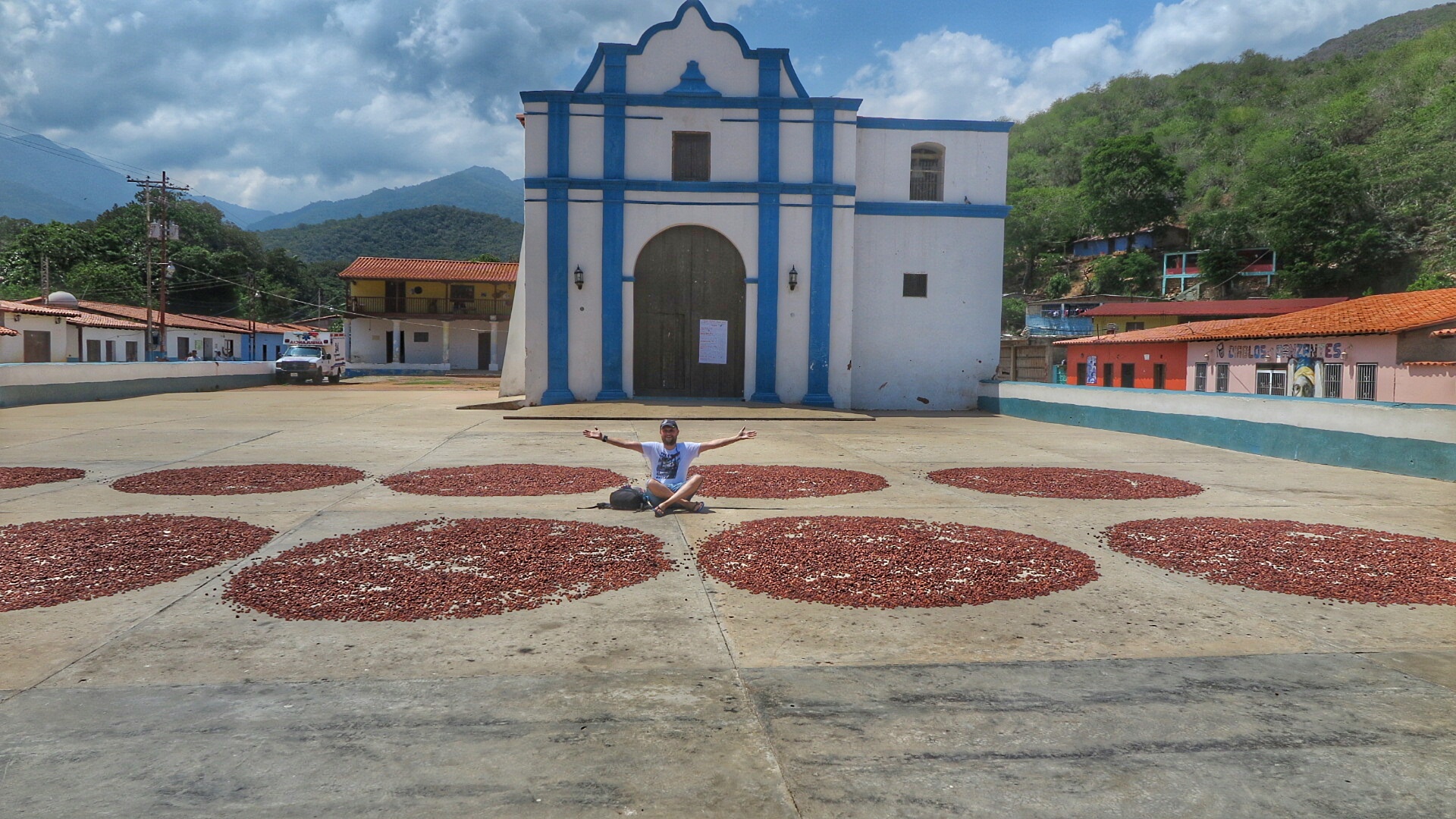
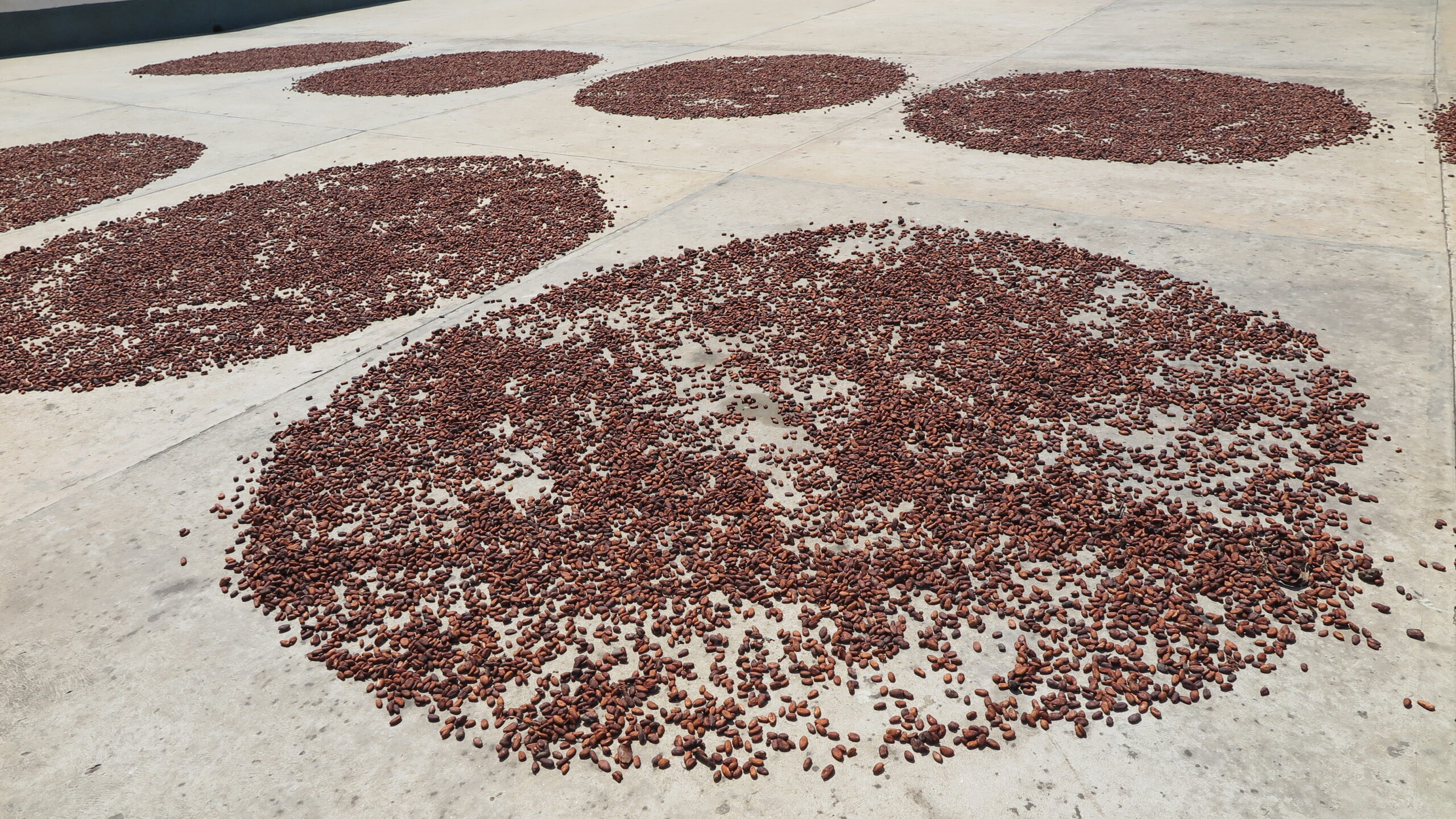
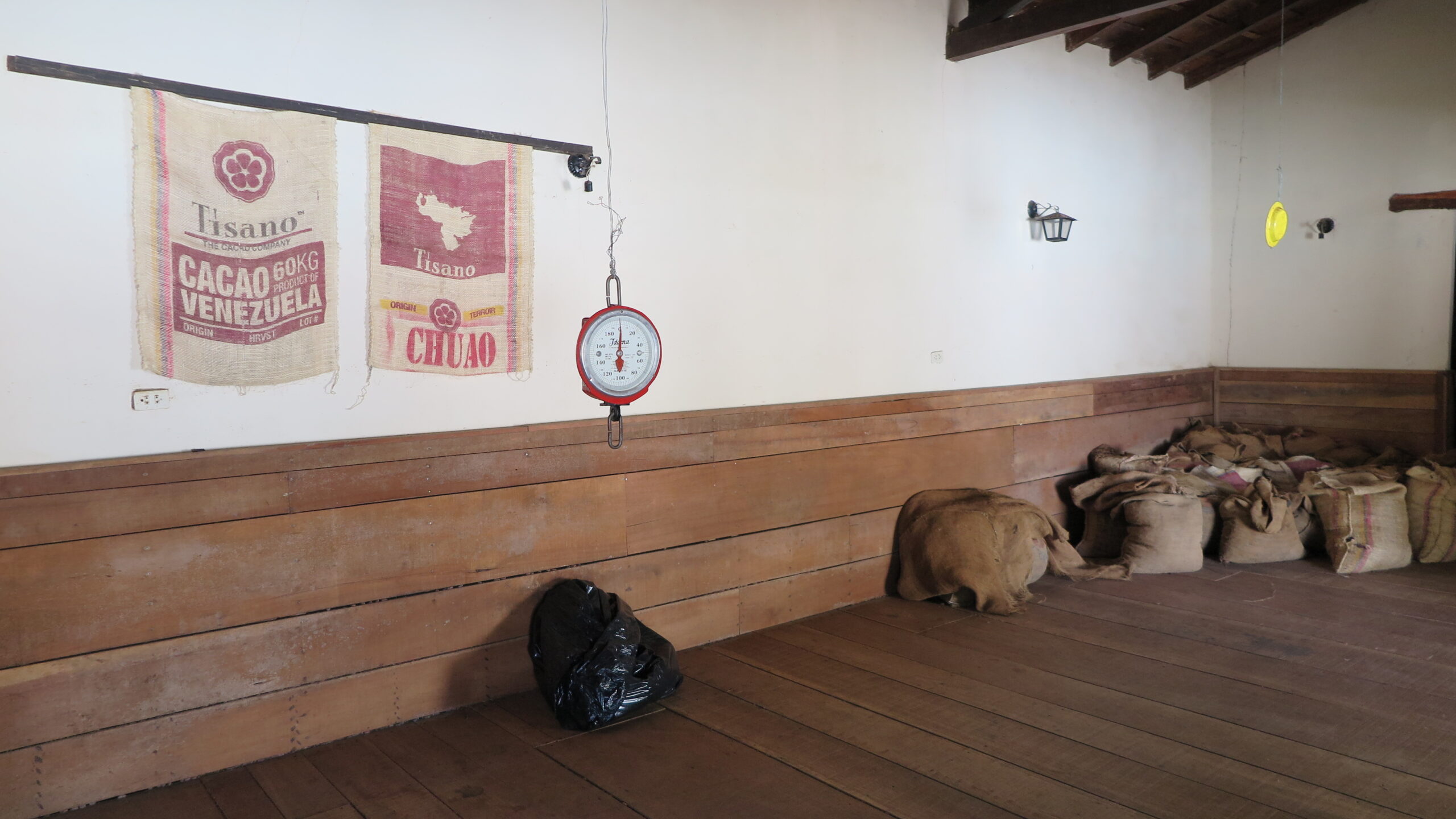
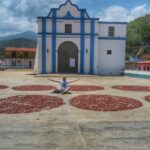
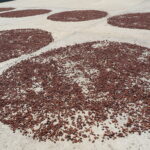
While I was in Choroni, I also wanted to visit the nearby village of Chuao. Chuao is not an ordinary village; it’s a unique place where one of the world’s finest cocoas has been produced for centuries and where traditions are still kept alive. In this small coastal village of Venezuela, cocoa is grown collectively by the villagers, free from chemicals and industrial methods. The cocoa beans, dried in the sun in the church courtyard, make Chuao unique both gastronomically and culturally. This village, where the Afro-Venezuelan heritage is strongly felt, is practically a living legend for cocoa enthusiasts.
It’s not possible to reach Chuao by road; access is only by sea. I woke up early in the morning and went to the small port on Choroni’s beach. To get to Chuao, I had to board one of the passenger boats called a lancha. A lancha is a type of boat with a fairly powerful engine that can carry several passengers at once. I paid about 300 BS for the trip to Chuao. The journey was quite bumpy, especially when we hit the waves, which made the ride even rougher.
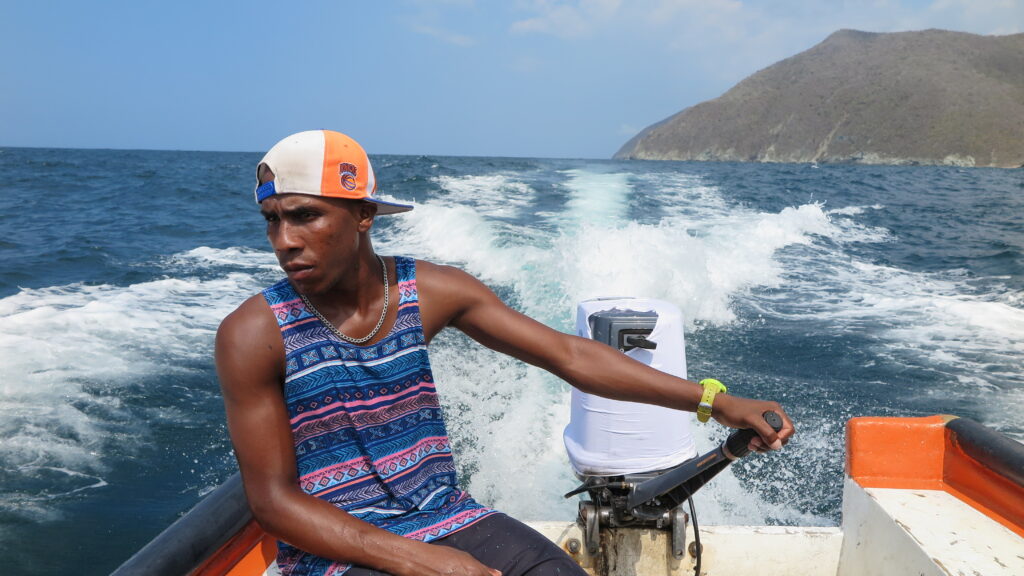
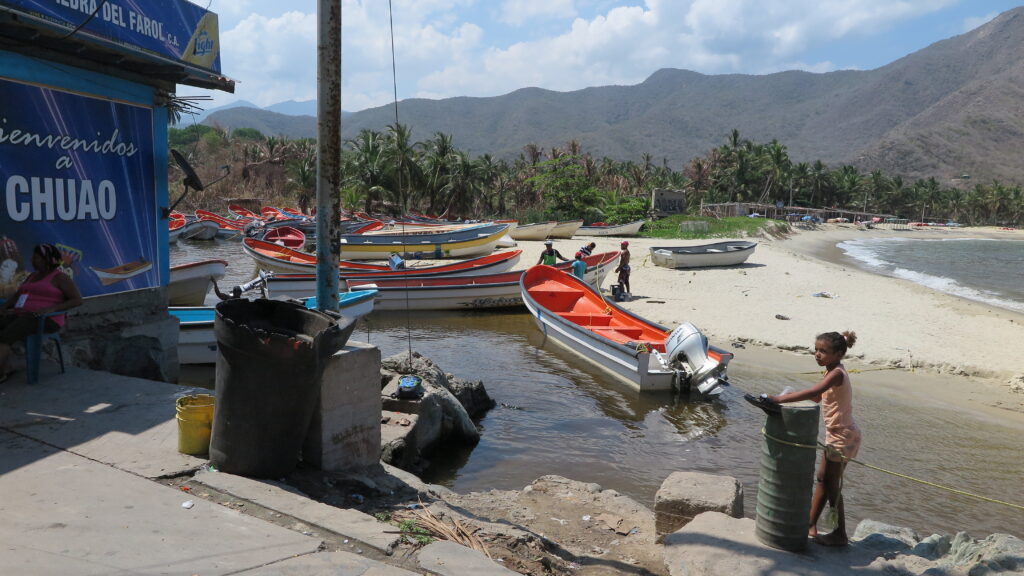
The boat ride didn’t take very long and ended at Chuao’s port. However, the journey didn’t stop there, since the village isn’t located directly on the coast. From the port, I had to take a short bus ride (or minibus) to reach the village. Paying about 60 BS, I arrived in Chuao after a 15-minute ride.
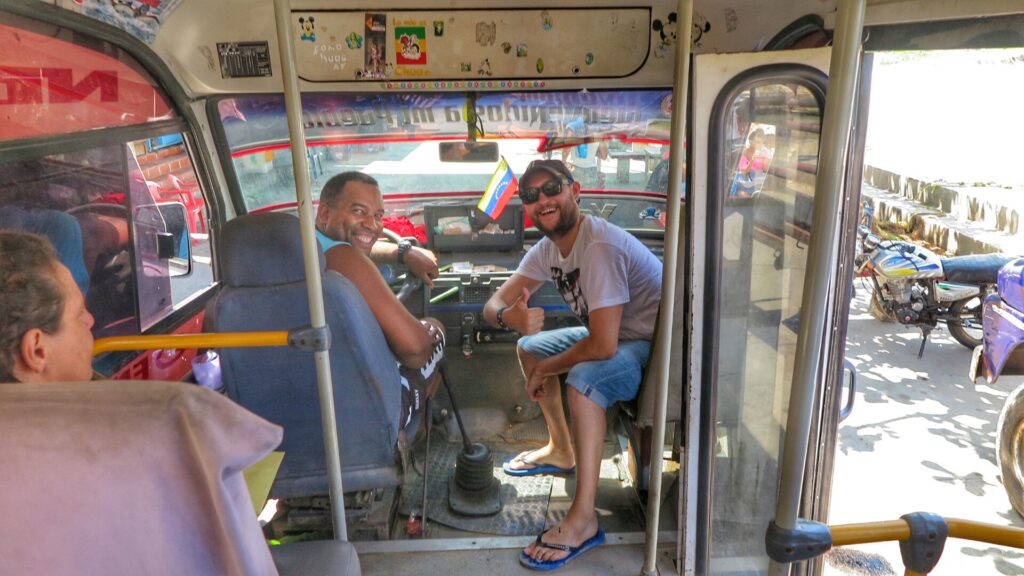
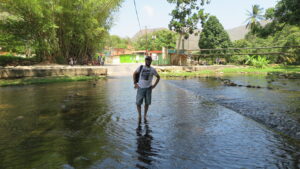
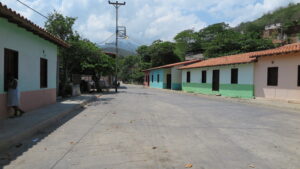
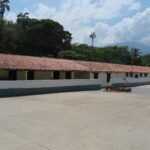
Chuao is a very small village. At first glance, it’s hard to realize that it’s famous for its cocoa. Upon arriving, I wandered through its streets, took photos of the houses with colorful walls, and chatted with the locals I met along the way. Since people don’t see many foreign tourists, they were a bit surprised to see me.
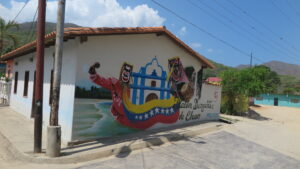
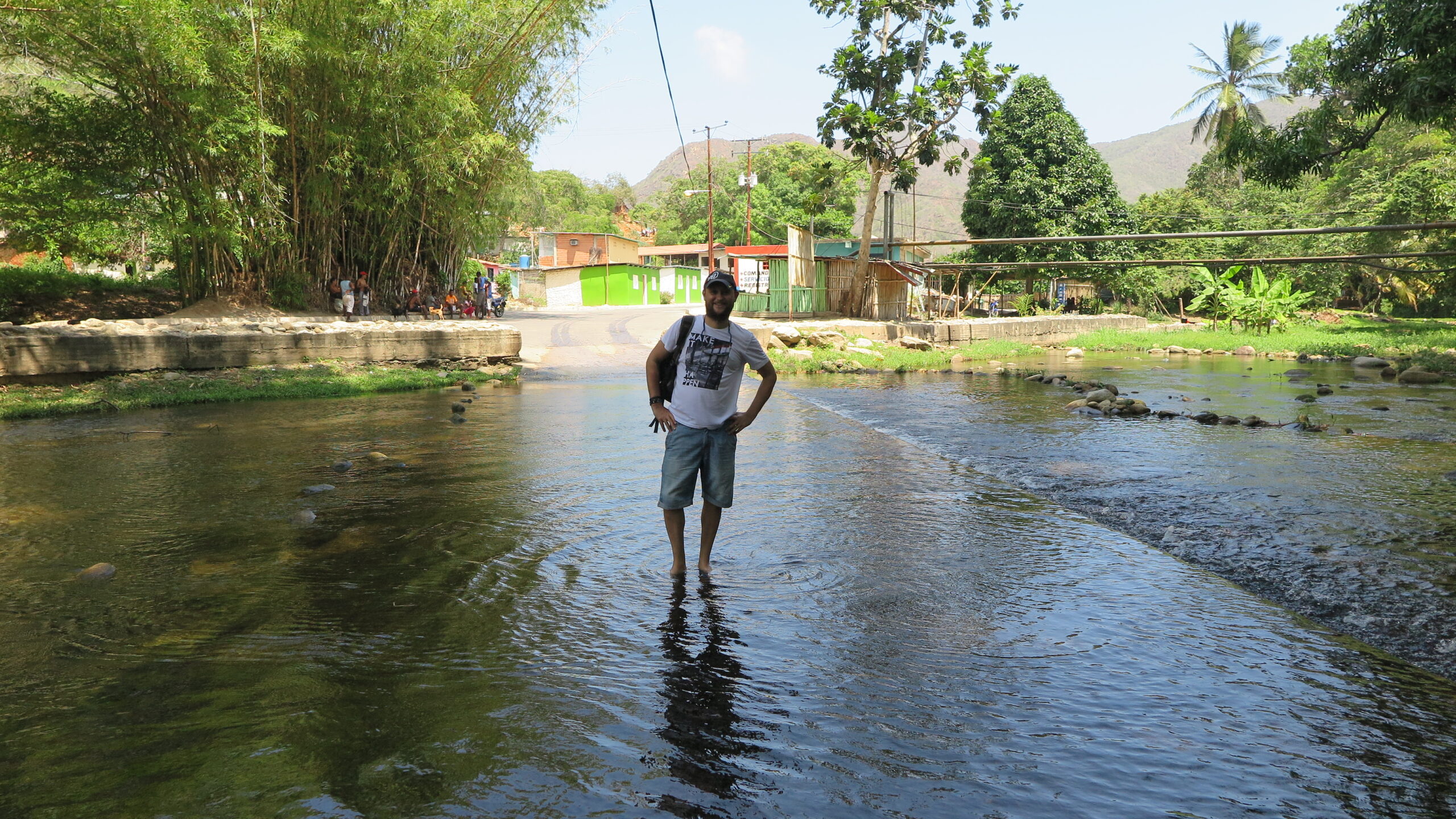
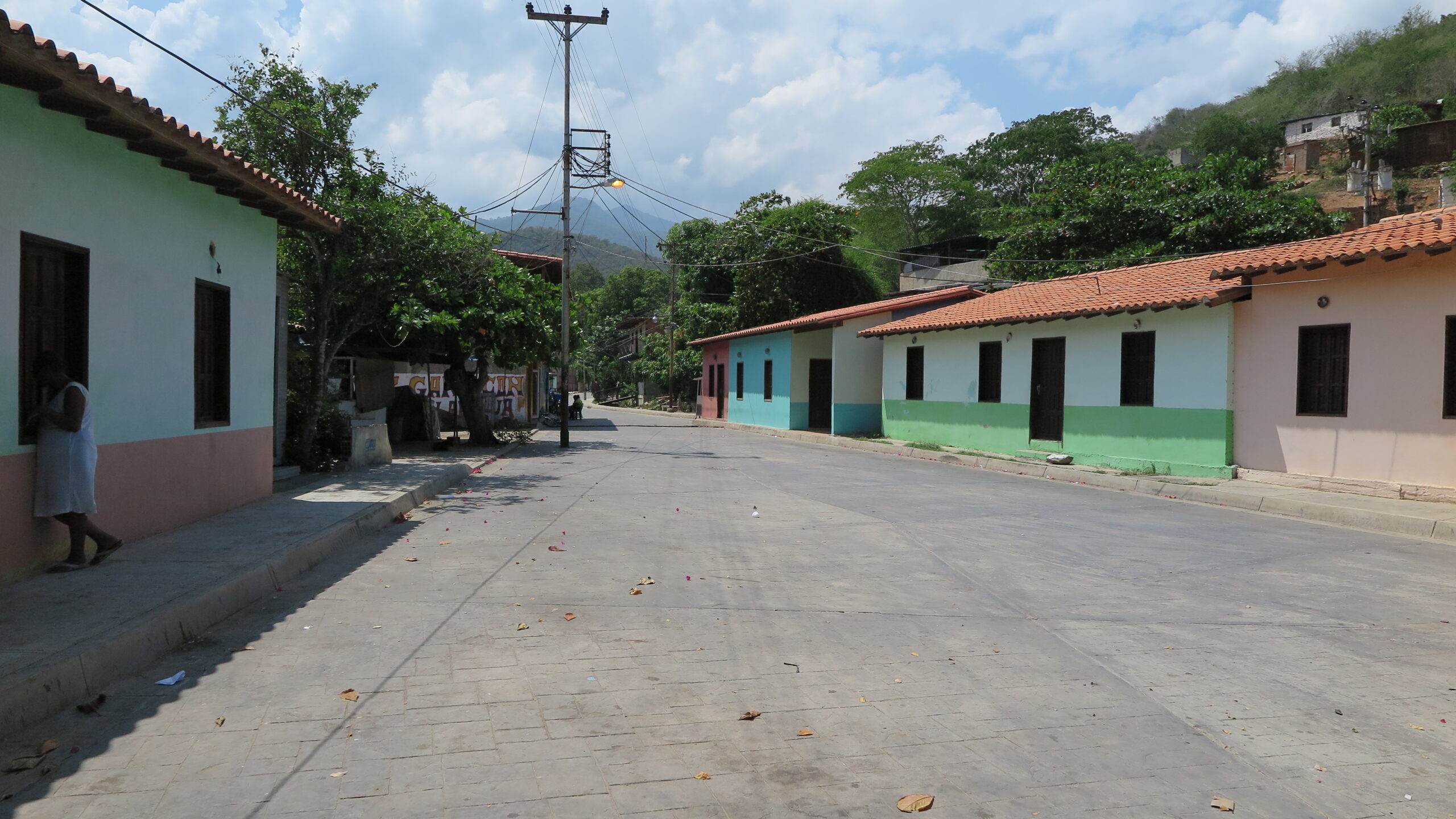
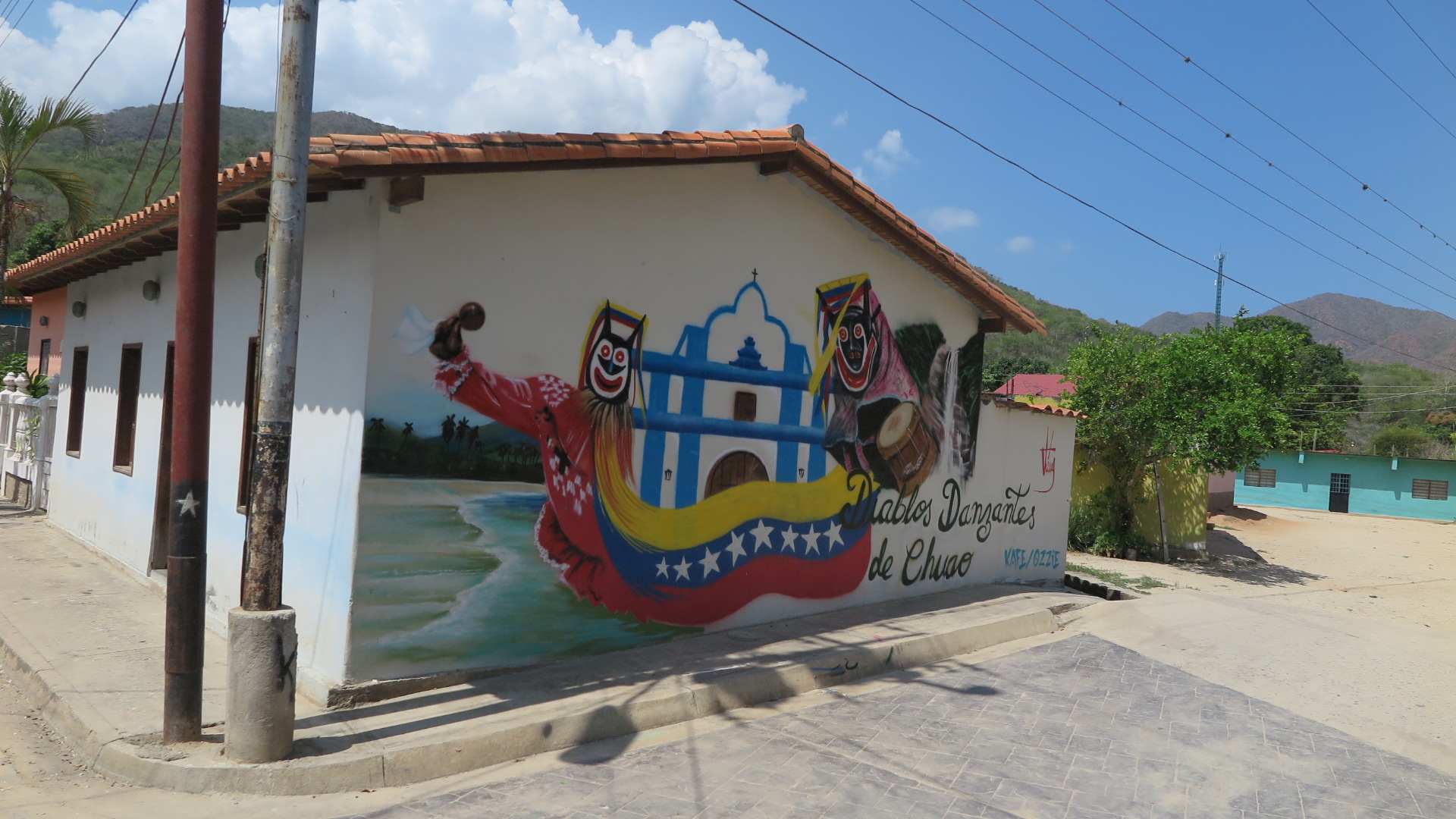
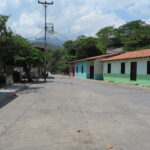
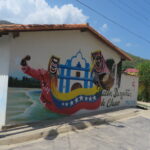
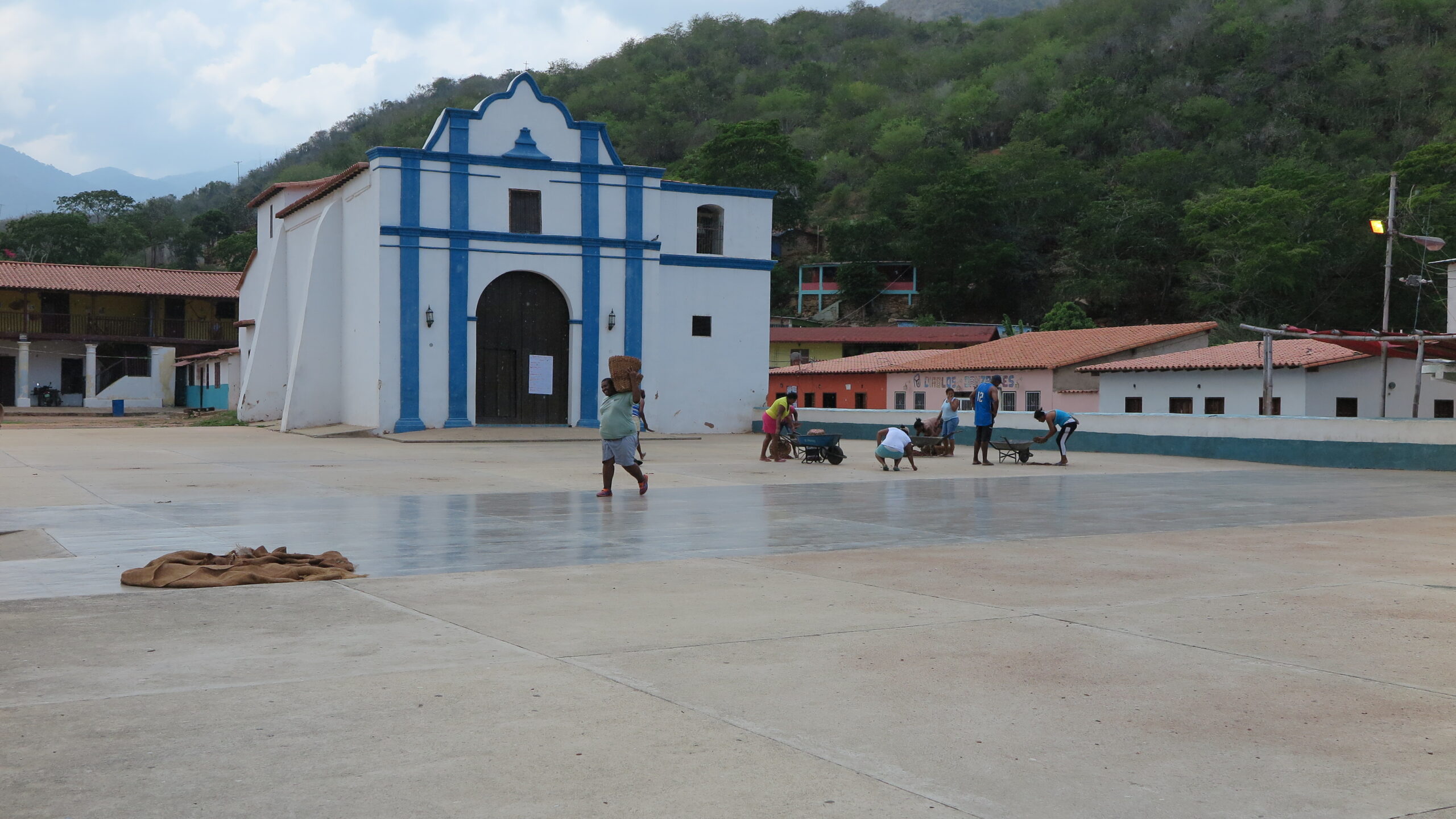
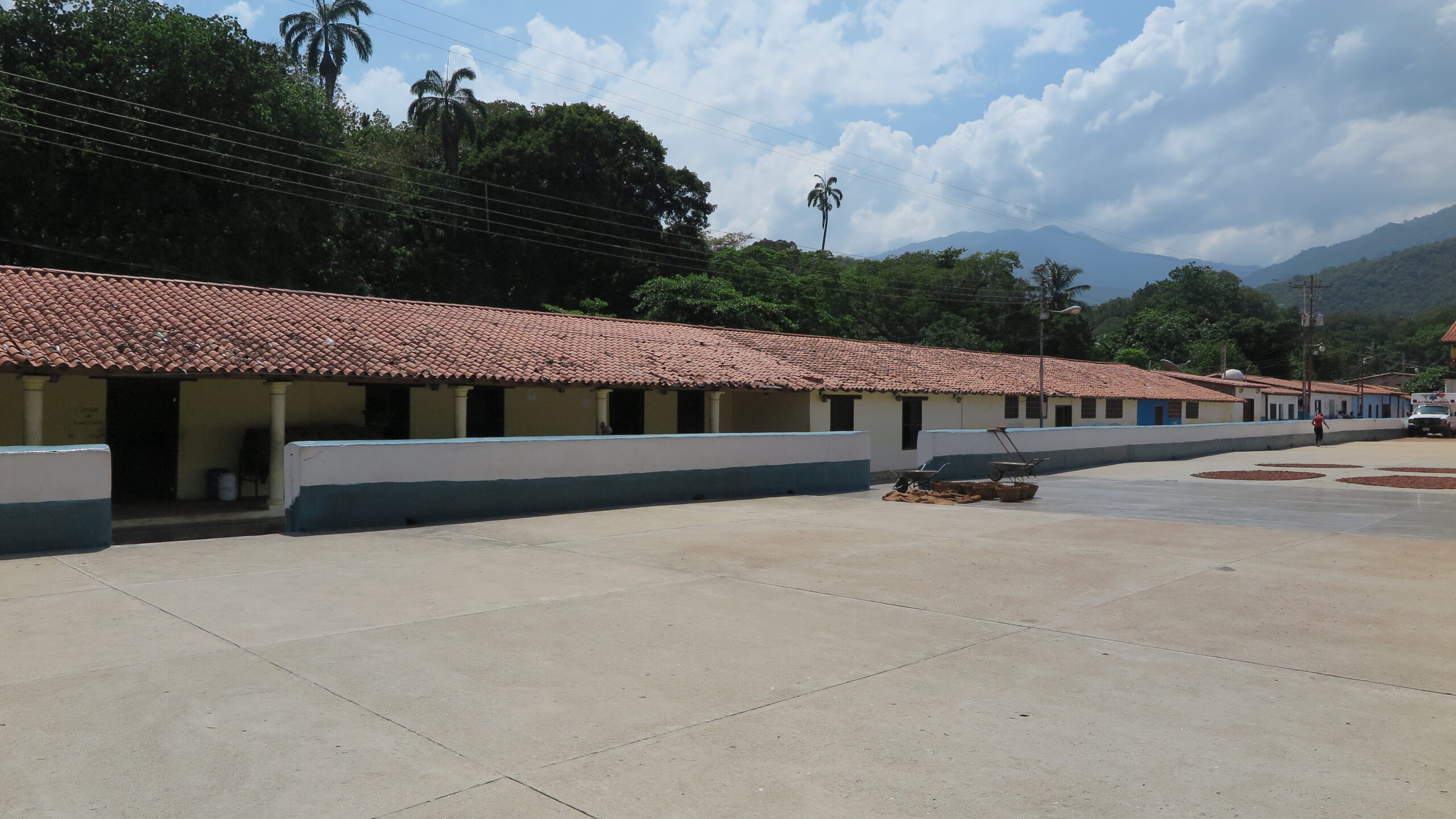
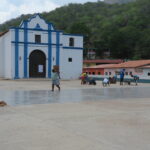
The most iconic building in the village is the Iglesia de la Inmaculada Concepción de Chuao, located in the village center. The church courtyard is used as a space for drying cocoa beans in the sun. By chance, when I was there, the courtyard was full of cocoa beans left out to dry. Walking among the beans and thinking that they would soon leave this small village, travel by ship to different parts of the world, and meet chocolate lovers was quite exciting. After spending half a day in the village, I returned to Choroni.
What Stayed with Me
Choroni’s distinctive streets and Chuao’s calm, timeless, cocoa-filled atmosphere made this trip unforgettable for me. These two destinations, off the beaten path in Venezuela, allowed me to experience not only the country’s nature but also its culture, people, and traditions up close. Sometimes, the most beautiful part of a journey is the quiet yet lasting impressions it leaves behind.
Colonia Tovar: A German Town in Venezuela
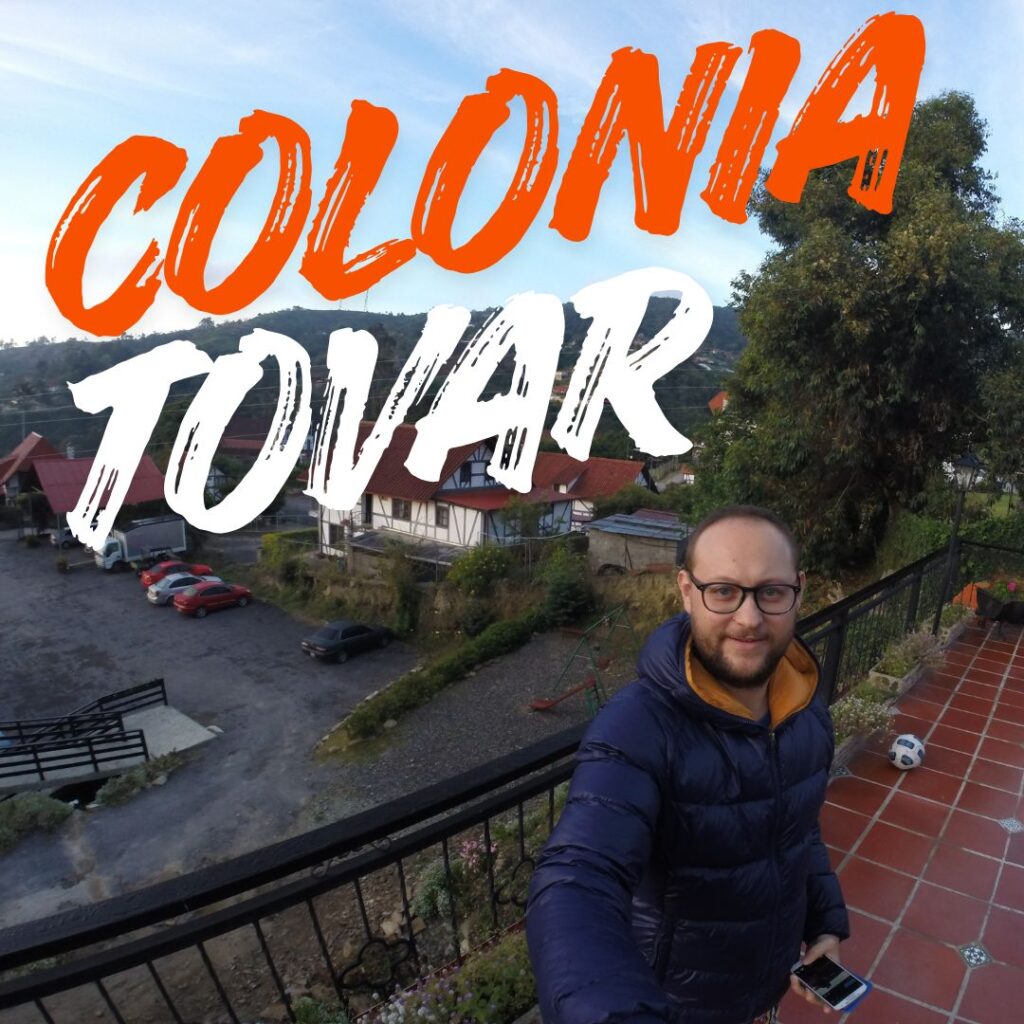
In this article, I’d like to introduce you to one of Venezuela’s most unique and surprising places: Colonia Tovar, a town located 65 km west of Caracas. What makes it so special? It’s essentially a German village in the middle of Venezuela. Yes, you read that right! And Colonia Tovar has a fascinating history behind it.