
The question people ask me most often when they hear that I have traveled to Iran is: Is it safe to travel to Iran? It is an understandable question, especially after seeing news about the political situation, regional tensions and the strict rules imposed by the Iranian authorities.
I have traveled to Iran twice and visited different parts of the country. During my trips, I experienced the country very differently from the image that is often presented in the news. I found Iranian people extremely welcoming, helpful and curious about foreign visitors, and I generally felt comfortable while walking around the cities and visiting tourist attractions.
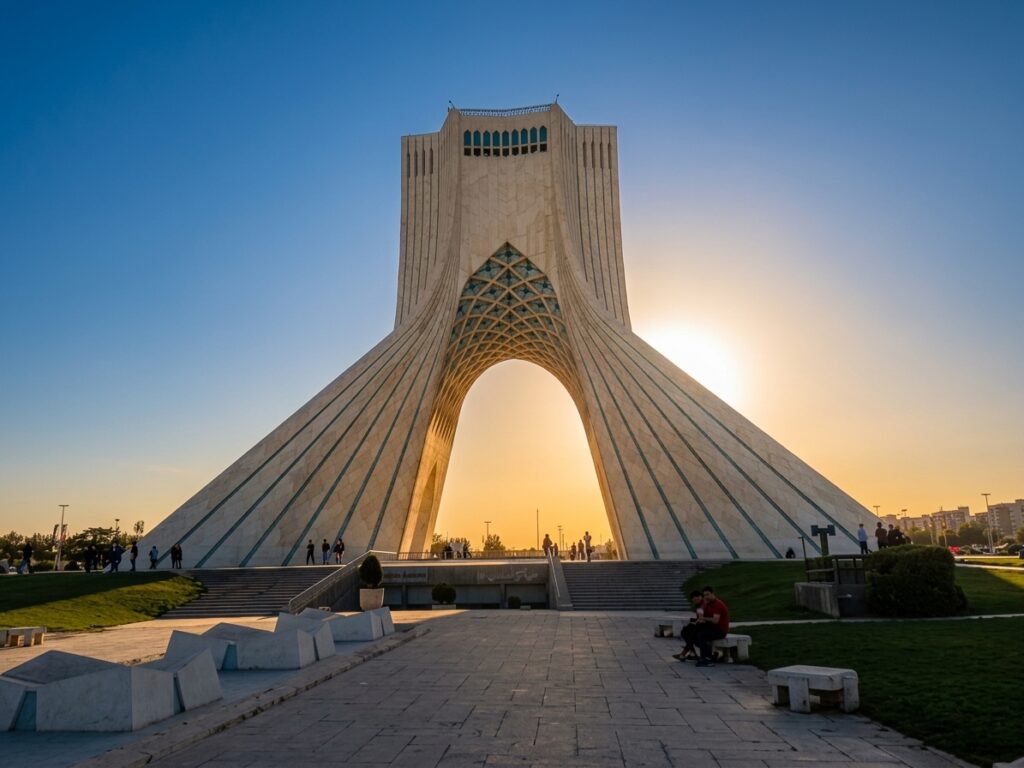
However, there is an important distinction to make between my personal experiences and the current situation. Iran’s security situation can change quickly, and the conditions today are not necessarily the same as when I visited. As of September 2026, several governments are advising their citizens against traveling to Iran because of the volatile security situation and ongoing military activity in the region. For example, the Government of Canada advises against all travel to Iran, while the UK Foreign, Commonwealth & Development Office also advises against all travel. Travel advice can vary by country and may change quickly, so anyone considering a trip to Iran should check the latest advisory issued by their own government before making travel plans.
So, if you are wondering “Is it safe to travel to Iran?”, the answer depends not only on your personal experience of the country but also on the current political and security situation, your nationality and the latest advice from your government.
Is Iran Safe for Tourists?
Iran is a fascinating destination with a deep-rooted history, rich cultural heritage, impressive architecture and legendary food. Cities such as Tehran, Isfahan, Shiraz and Yazd offer travelers an opportunity to experience a side of the Middle East that is very different from the stereotypes often associated with the country.
During my own trips to Iran, I did not experience the kind of street incidents that might make a tourist feel unsafe. I did not witness serious arguments in everyday life, and I found people on the streets generally calm and respectful.
That was my experience at the time, but it is important not to interpret one traveler’s experience as a guarantee of safety today. Current official travel advisories warn about military activity, possible attacks, travel disruptions and the risk of detention or questioning for some foreign nationals.
For this reason, anyone considering a trip to Iran should check the latest government travel advisory immediately before making travel arrangements.
My Personal Experience Traveling in Iran
Having traveled to Iran twice, I can say that my memories of the country are largely connected with its people, food, architecture and history rather than with safety concerns.
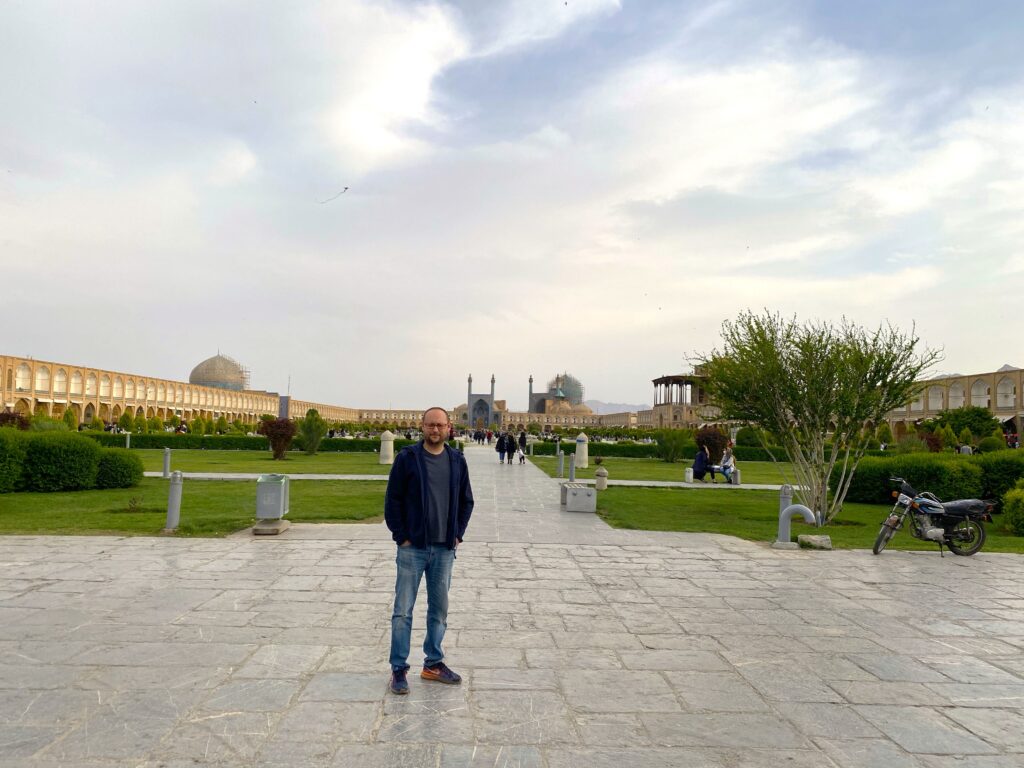
I visited different cities and spent time walking through busy streets, historical areas and tourist attractions. I did not feel that I was constantly being watched or that I was unwelcome as a foreign traveler. This personal experience is one reason why I understand why many travelers who have never visited Iran are surprised when I tell them about my trips.
At the same time, travel experiences are personal and can change over time. The fact that I visited Iran previously without experiencing serious problems does not mean that the same conditions exist today.
Iranian People and Hospitality
One of the most memorable parts of traveling in Iran for me was the hospitality of the Iranian people.
I found many Iranians very willing to communicate with foreign visitors and offer help when needed. Whenever I approached someone with a question or needed assistance, I generally received a positive response. This warmth made me feel welcome during my travels and was very different from the image of Iran that someone might form simply by watching international news.
However, the hospitality of ordinary people and the policies of the Iranian authorities are two separate things. A visitor should appreciate the friendliness of the people while also respecting the country’s laws and regulations.
Iranian Laws and Local Customs
Iran has strict laws and social rules that visitors need to understand before traveling.
Following local customs is particularly important because behavior that might be completely normal in another country can have legal or social consequences in Iran. Before traveling, familiarize yourself with current rules concerning clothing, photography, alcohol, drugs, public behavior and political activities. These rules can also be affected by changes in the political and security situation, so older travel guides should not be treated as the final authority.
Dress Code in Iran
One of the most important things female travelers should know about Iran is the country’s dress code. Women visiting Iran are required to follow local rules regarding clothing, including wearing a headscarf in public. The specific requirements and their enforcement can change, so travelers should check the latest official information before departure.
When I traveled in Iran, I noticed that the way many Iranian women wore their headscarves could look quite different from what visitors might expect from other Muslim-majority countries. The scarf was sometimes positioned loosely and did not necessarily cover the entire head.
One of the things visitors may notice in Iran today is that some women, particularly in larger cities, choose to appear in public without a headscarf, quietly challenging a dress code that is still officially mandatory.
Alcohol and Drugs in Iran
Visitors should be particularly careful with alcohol and drugs in Iran.
Alcohol is prohibited in Iran, and drug-related offences can carry severe penalties. You should never assume that rules regarding alcohol or recreational drugs are similar to those in your home country.
I strongly recommend checking the latest customs and legal requirements before packing your luggage and avoiding anything that could create a legal problem at the border.
What Not to Photograph in Iran
Photography is another issue that tourists should take seriously.
Avoid photographing military installations, security facilities, sensitive infrastructure, demonstrations or other locations that could be considered politically or militarily sensitive. This is particularly important under the current security conditions. I recommend being conservative with your camera and asking yourself whether a photograph could be interpreted as suspicious before taking it.
Check Your Government’s Travel Advisory
Before traveling to Iran, always check the travel advisory issued by your own government. This is especially important because different governments may issue advice based on their own assessment of risks to their citizens.
Travel insurance is another important consideration. Many governments warn that travel insurance could be invalidated if someone travels against its official advice.
Iran Travel Safety Tips
If you are considering traveling to Iran when conditions permit, these are some of the basic precautions I would recommend:
- Check your government’s latest travel advisory before booking your trip.
- Keep up with local and international news while traveling.
- Respect Iranian laws and local customs.
- Follow current dress-code requirements.
- Do not photograph military or other sensitive locations.
- Avoid political demonstrations and large gatherings.
- Do not carry alcohol or illegal drugs.
- Keep your passport and other important documents secure.
- Make sure you have a plan in case flights or borders are disrupted.
- Check your travel insurance carefully before departure.
- If you have dual nationality, research how Iran treats your citizenship before traveling.
- Avoid traveling to border areas without checking the latest security situation.
Useful Resources for Traveling to Iran
If you’re planning a trip to Iran, these resources can help you find additional information about the country’s cultural heritage, destinations, travel requirements, and health considerations.
- Visit Iran – Iran’s official tourism portal for information about destinations, attractions, and tourism services.
- UNESCO World Heritage Centre – Information about Iran’s UNESCO World Heritage Sites and cultural heritage.
- IATA Travel Centre – Useful information about travel documentation and entry requirements.
- World Health Organization (WHO) – IRAN – International health information and advice for travelers.
So, Is It Safe to Travel to Iran?
My personal experiences of traveling in Iran were overwhelmingly positive. I met welcoming people, explored fascinating cities and experienced a culture that left a lasting impression on me.
However, I would not use my past experiences alone to answer whether it is safe to travel to Iran today.
The current situation is different, and official travel advisories should be taken seriously. The security situation remains volatile, and there are additional concerns involving military activity, travel disruptions, local laws and the potential detention of foreign nationals.
If you are planning a future trip to Iran, the best approach is to keep monitoring the situation and check your government’s latest travel advice before making a decision.
For me, Iran remains one of the most fascinating countries I have ever visited. But when it comes to Iran travel safety, the most important thing is to distinguish between a traveler’s past experience and the country’s current situation.

Guatapé Guide: Guatapé Day Trip from Medellín
Guatapé – Some trips are like this: you leave early in the morning, spend the…

Best Things to Do in Belgrade? The Ultimate Travel Guide to Serbia’s Vibrant Capital
Best Things to do in Belgrade, Serbia – I only spent a few days in Belgrade, but it…

Salsa in Cali: Discovering the Rhythm of Dance in Colombia’s Salsa Capital
Salsa in Cali — Wherever the name of Cali, located in southwestern Colombia, is mentioned,…