In this article, I’d like to introduce you to one of Venezuela’s most unique and surprising places: Colonia Tovar, a town located 65 km west of Caracas. What makes it so special? It’s essentially a German village in the middle of Venezuela. Yes, you read that right! And Colonia Tovar has a fascinating history behind it.
History of Colonia Tovar
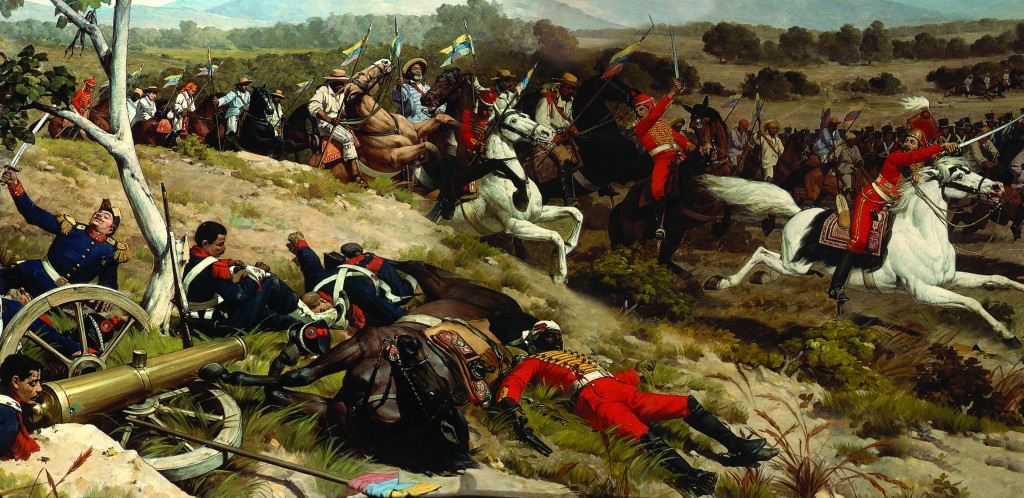
Although the history of Colonia Tovar begins in the mid-1800s, its story actually goes back to Venezuela’s struggle for independence from Spain. After declaring independence on July 5, 1811, Venezuela spent years fighting Spanish forces, suffering significant population losses in the process. For this reason, the 1830s became a period in which immigration was encouraged to help replenish the country’s diminished workforce.
First, it was necessary to determine which areas of the country the immigrants would settle in. After conducting studies and holding discussions, it was decided that the fertile lands located in the Cordillera de la Costa, at an average altitude of 1,800 meters, would be a suitable option. These lands belonged to the Tovar family. Negotiations were held with the family, and as a result, they agreed to give part of their property to the incoming immigrants. Thus, the question of where the first settlers would live was resolved.
Once the issue of where the immigrants would settle had been resolved, the next step was to recruit suitable settlers. At the time, Venezuelan authorities were particularly interested in attracting immigrants from Europe, as Europeans were regarded as highly knowledgeable in the fields of science and agriculture. Following their evaluations, Germany emerged as one of the leading candidates.
The officials who traveled to Germany held numerous meetings and ultimately concluded that the people living in the Endingen region, near the French border, could be persuaded to migrate to Venezuela. At the time, Endingen felt the threat of France quite strongly due to its proximity to the border. In addition, rising population numbers and shrinking farmland had created significant poverty in the area. Negotiations were held with the local residents, and as a result, they accepted the Venezuelan officials’ proposal and signed the agreements. Thus began the migration story that would take settlers from Germany to Venezuela.
The Journey of the German Migrants to Venezuela
In December 1842, a group of around 380 people, though sources differ on the exact number, embarked on their journey to Colonia Tovar. They first traveled along the Rhine River and eventually reached Le Havre in France, where the French ship Clemence awaited to carry them to Venezuela. On January 19, 1843, the migrants boarded the Clemence and set sail. By March 4, 1843, they arrived at the port of La Guaira, but due to a change in the planned route, the ship was redirected to Choroni.
The journey was extremely challenging. Tragically, a smallpox outbreak erupted on the ship, preventing the passengers from disembarking immediately upon reaching Choroni. They remained in quarantine aboard the vessel for about two and a half weeks. On March 31, 1843, the quarantine was finally lifted. Once ashore, the migrants first traveled to Maracay and then to La Victoria, where they received a warm and ceremonial welcome from Venezuela’s President, Carlos Soublette. After this heartfelt reception, the settlers continued onward, determined to reach their new home.
On April 8, 1843, a long and uncertain journey came to an end as a group of German migrants finally arrived in Palmar del Tuy, the place that would become their new home. After traveling for nearly four months, they stepped onto unfamiliar land, ready to build a new life on a distant continent.
These settlers were not ordinary travelers. Among the first to arrive in what would later become Colonia Tovar were well-known scientists and artists such as painter Ferdinand Bellermann, naturalist Carl Ferdinand Appun, geologist Hermann Karsten, and writer Friedrich Gerstäcker. Some of them came for scientific exploration, yet their presence greatly shaped the early years of the settlement.
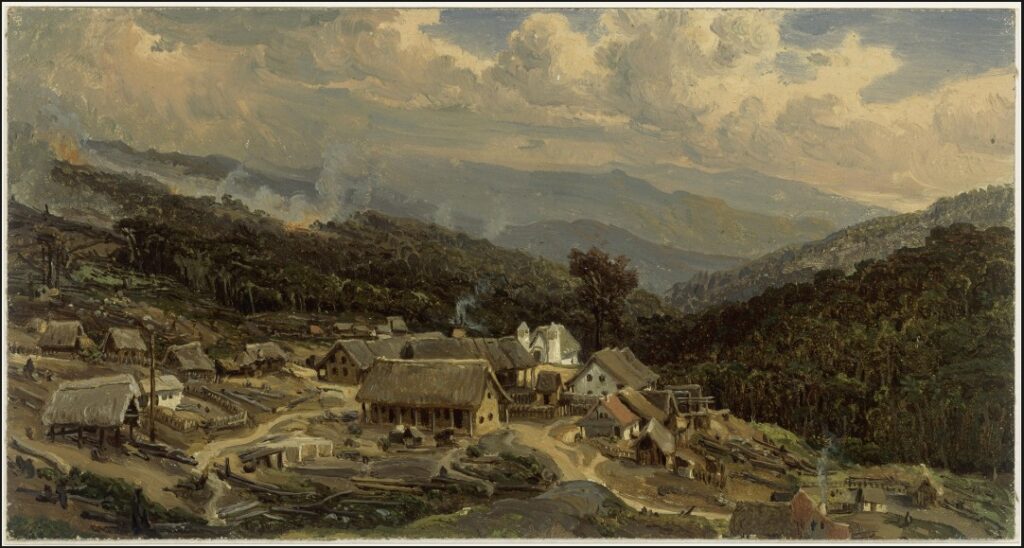
Today, April 8 is celebrated as the official founding day of Colonia Tovar, and every year the town comes alive with music, dance, traditional German food, and a festival atmosphere that feels unlike anywhere else in Venezuela. If you can plan your trip around this date, you’ll be rewarded with a vibrant cultural celebration, a unique blend of Latin American energy and German heritage nestled in the Venezuelan mountains.
What to See in Colonia Tovar
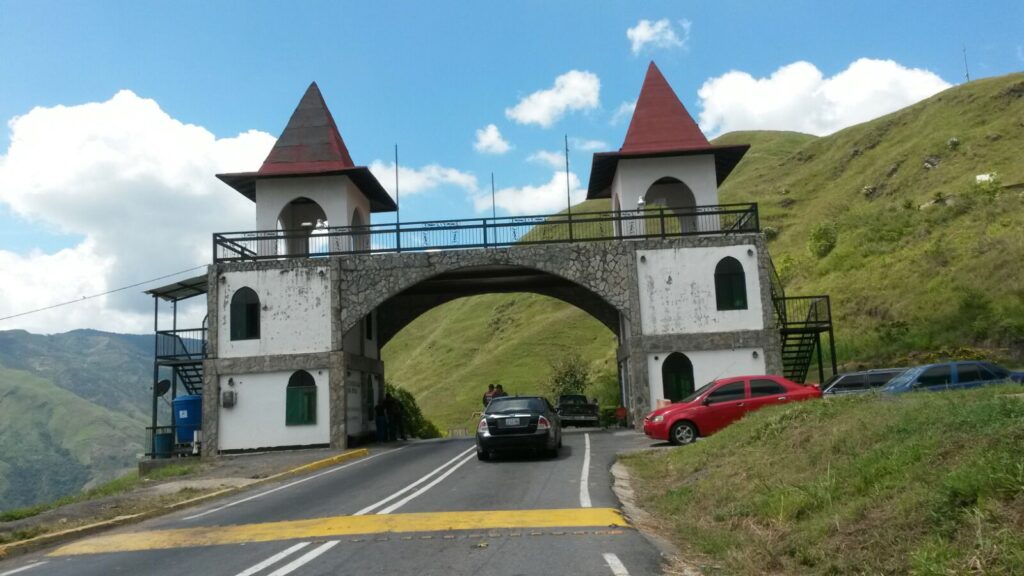
A day trip is usually enough to explore this small German town in Venezuela. However, if you prefer a slower and more relaxed visit, you can also stay overnight. So, what are the must-see places in Colonia Tovar?
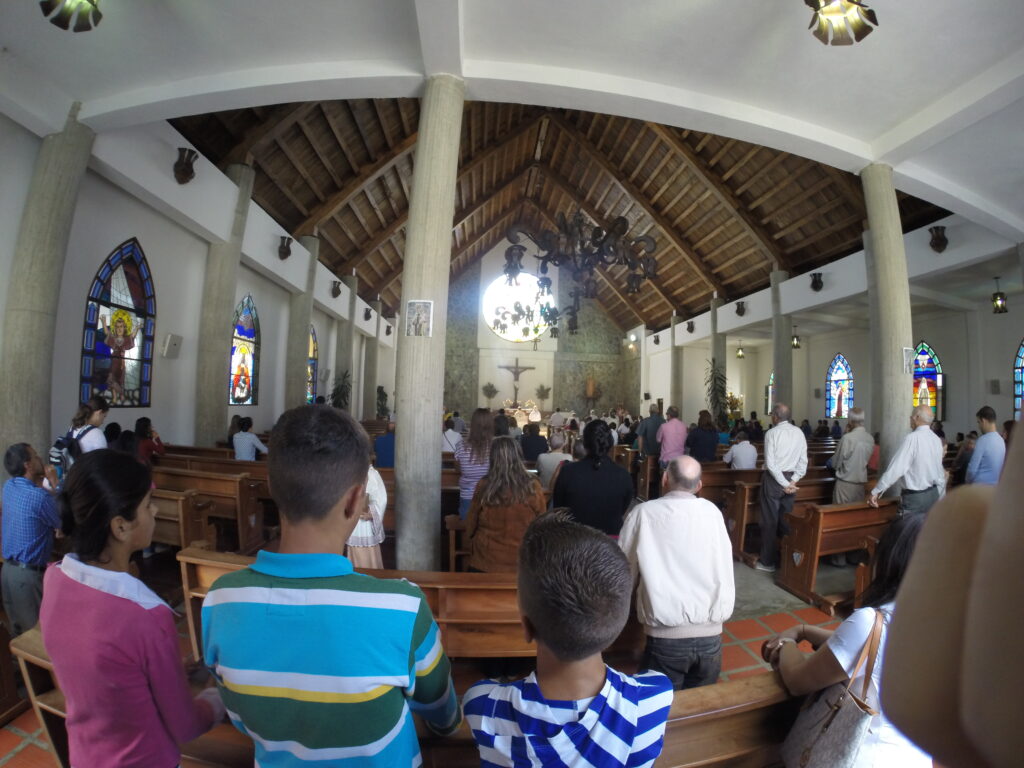
You can start your trip in the heart of Colonia Tovar, at the iconic Catholic church Iglesia San Martín de Tours. The first settlers of the town built a small chapel here just a few months after their arrival. Over the years, the church has been renovated many times, eventually taking on the appearance, it has today. Now recognized as a National Historic Monument, it stands out as one of the most impressive landmarks in Colonia Tovar. If you’re visiting the town, make sure to put this historic church at the top of your list — its architecture and atmosphere are truly captivating.
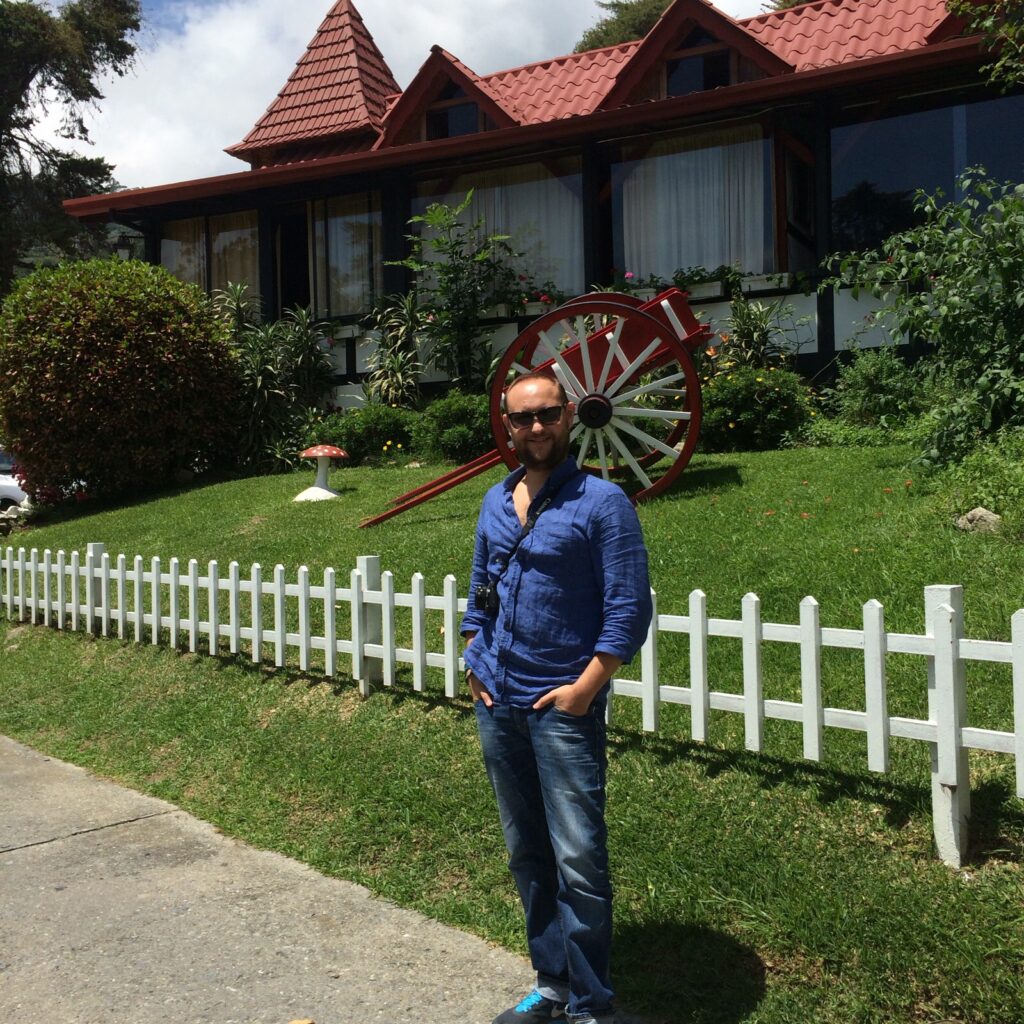
Another place you absolutely shouldn’t miss in Colonia Tovar is the market and the charming streets that begin right in front of the church and stretch into the heart of the town. At the market, you can browse handmade goods from local vendors and pick up your favorites at very reasonable prices. As you wander deeper into the streets, you’ll start to feel as if you’ve stepped into a small town in Germany — and for a moment, you might even forget that you’re in South America.
Before leaving Colonia Tovar, I highly recommend visiting the town’s museum. Inside, you’ll find traces of the settlement’s early days and get a glimpse into what daily life was like for the first immigrants. The exhibits offer valuable insight into how the community was shaped, helping you better understand the culture and atmosphere of Colonia Tovar as it exists today.
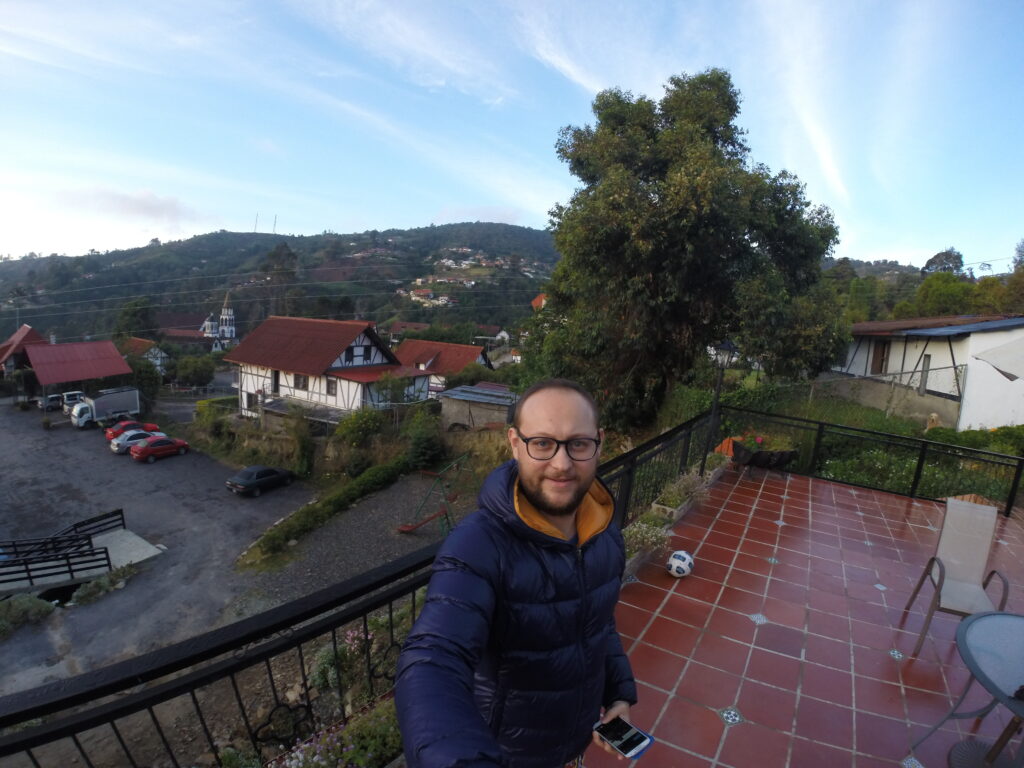
Besides all this, you can explore the hiking trails surrounding the town. During these nature-filled walks, you’ll enjoy lush valleys and forests, accompanied by the soothing sounds of birdsong, and truly feel the peaceful atmosphere around Colonia Tovar. You’ll also get a firsthand sense of why these fertile lands were chosen by the first settlers, a unique experience in itself.
What to Eat in Colonia Tovar
Since this is a small German town, the first things that come to mind are meats, sausages, and beer. You wouldn’t be wrong. Colonia Tovar is the perfect place to try all of these.
For our meal, we headed straight to Rumbach Restaurant, recommended by our friends, and it turns out it’s quite popular.
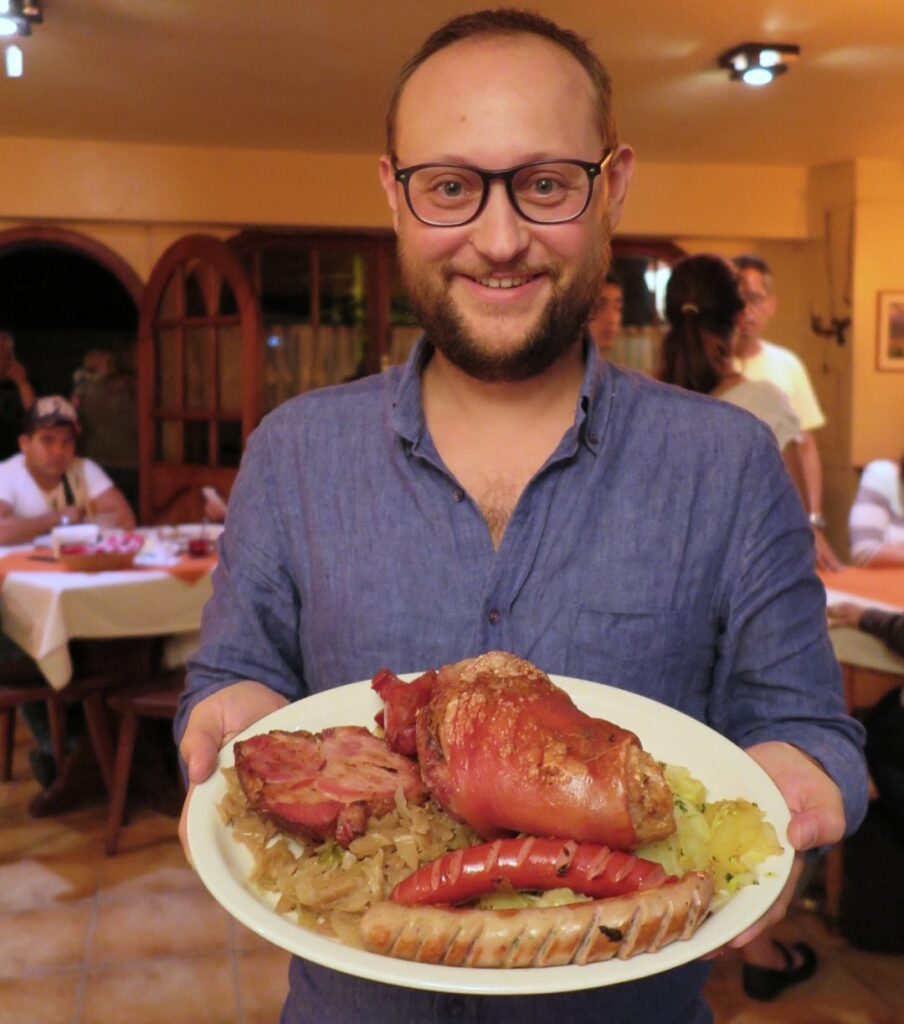
As soon as we entered, a waitress dressed in traditional German attire guided us to our table. The menu was extensive, and while I was deciding what to order, I went with the recommendation of the staff: the “Plato Tipico Aleman.” This generous plate included pork chop, pork knuckle, two types of sausages (Polish and white sausage), potatoes, and sautéed cabbage. It was not only delicious but also hearty enough to satisfy both your eyes and your appetite.
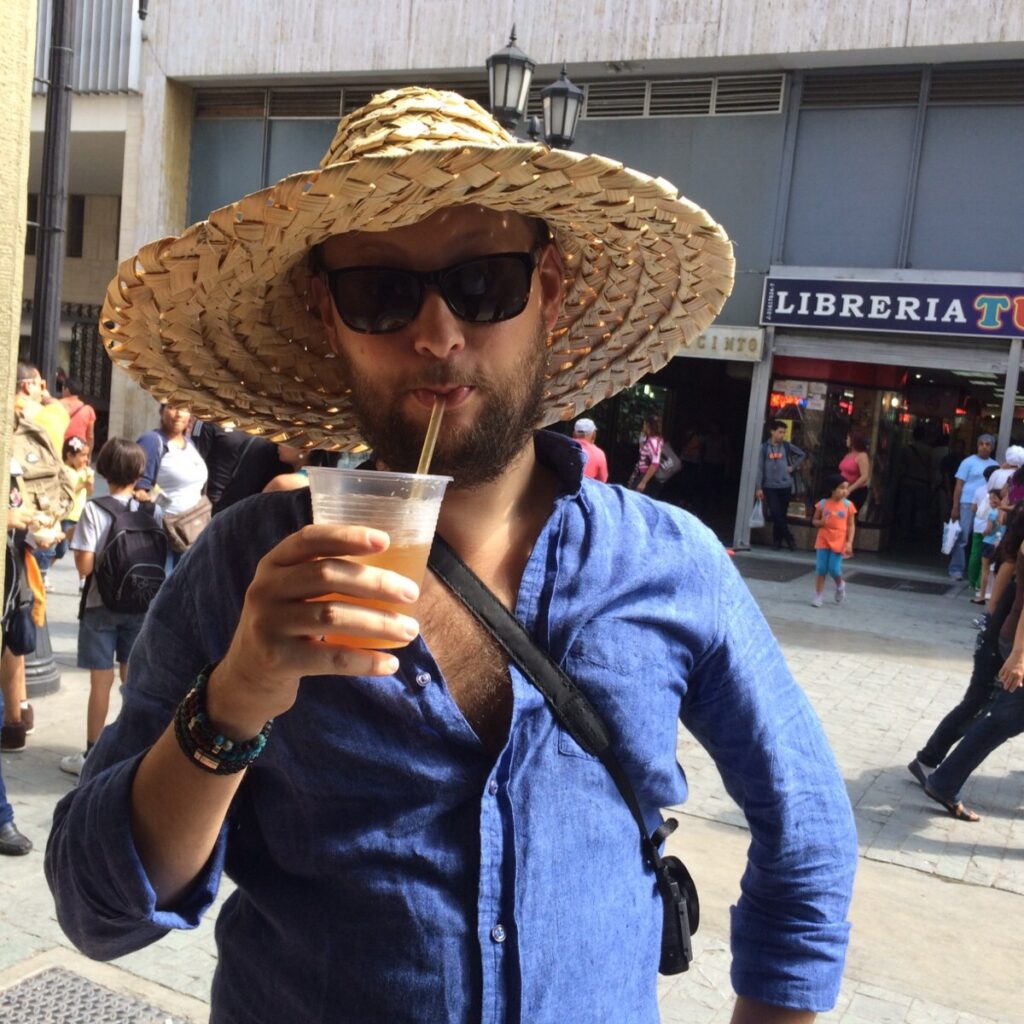
With nearly three million inhabitants, Caracas is Venezuela’s largest city. As the capital, home to almost 10% of the country’s population, it is naturally a very lively place. For more about Caracas read my article: The Heart of Venezuela: Caracas