
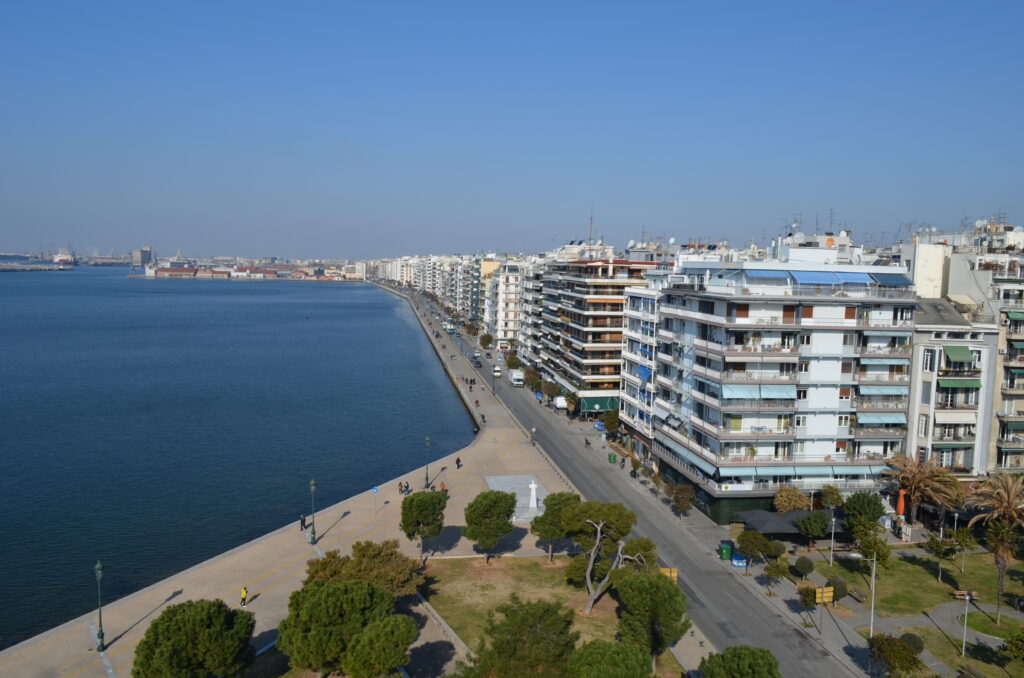
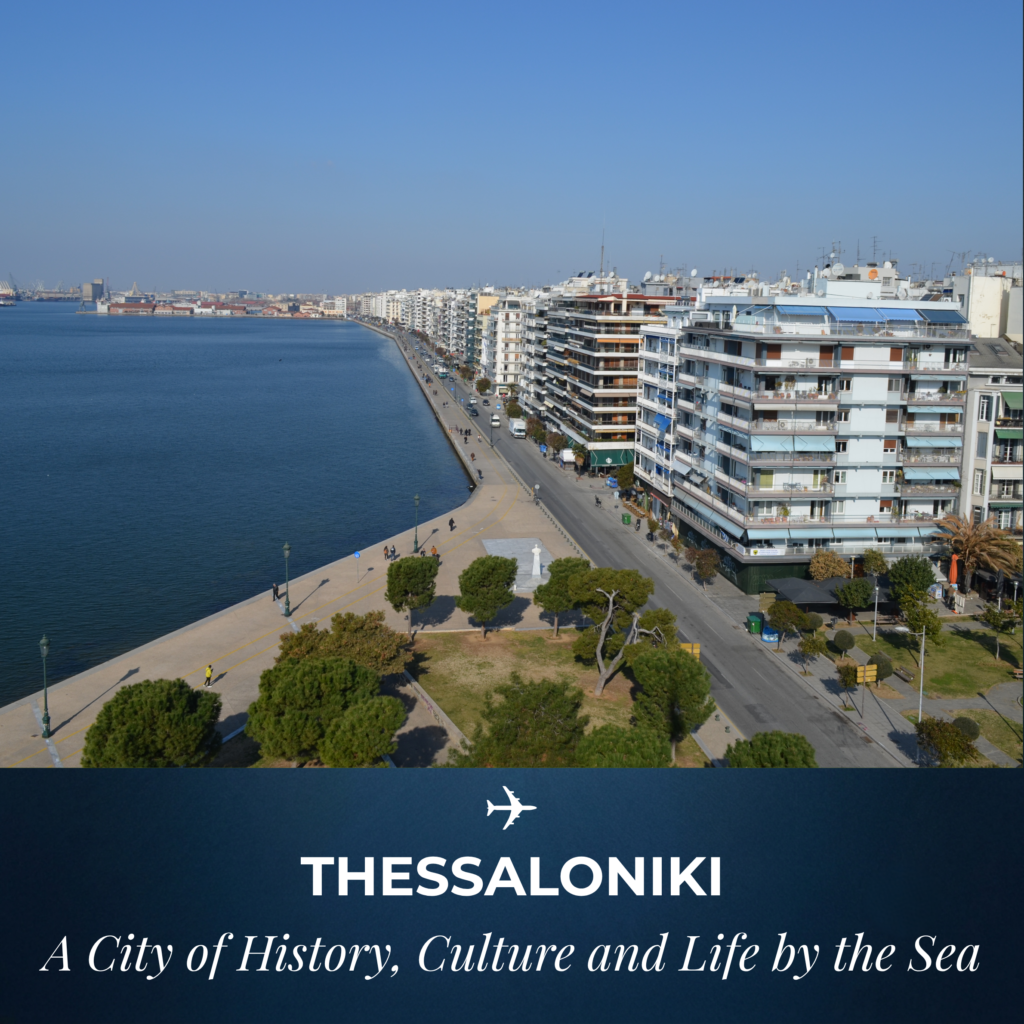
Best Things to Do in Thessaloniki – Thessaloniki is one of my favorite cities in Greece. With its beautiful waterfront, spacious squares, lively cafés, shopping streets, and historical landmarks from different periods, it is an ideal destination for a break.
At first glance, Thessaloniki reminded me a little of Izmir, Türkiye. The sea is an important part of everyday life here. As you walk through the city centre, you can explore historic buildings one moment and find yourself sitting at a waterfront café the next. For this reason, I don’t think you can really experience Thessaloniki by visiting only its museums and historical sites. Sitting along the waterfront, having something to eat or drink, and simply watching the city go by are also an important part of experiencing the city.
How to Get to Thessaloniki
Getting to Thessaloniki is quite easy. The city is served by Thessaloniki Airport Makedonia, an international airport, as well as KTEL Makedonia, the main intercity bus terminal serving buses from different parts of Greece.
I arrived in Thessaloniki by bus from Kavala. The journey took around 2.5 hours and I paid approximately €20 for the ticket. A taxi from the bus terminal to the city centre cost me around €10.
If you are arriving in Thessaloniki by air, getting from the airport to the city is also quite easy. Several bus lines connect the airport with different parts of the city. Lines 1X and 1N connect Thessaloniki Airport with the city centre, the New Railway Station, and the intercity bus terminal. Bus 79 connects the airport with the Eastern Bus Transfer Station (IKEA), while Bus 2X connects the airport with the metro transfer station at Nea Elvetia.
The airport bus stop is located in the Arrivals area, in front of Exit 4 of Terminal 1. Tickets can be purchased at the ticket booth or from the automated OSETH ticket machines.
Best Things to Do in Thessaloniki
One of the best things about Thessaloniki is that many of its main attractions can be reached on foot. You can walk past centuries-old historical buildings and, just a few minutes later, find yourself by the sea.
1. Atatürk House Museum
As a Turkish traveler, visiting Atatürk House Museum was at the top of my list of best things to do in Thessaloniki. The house where Mustafa Kemal Atatürk, the founder of the Republic of Türkiye, was born in 1881 is located at Apostolou Pavlou 17, in the heart of the city.
Today, the house serves as a museum and contains information about Atatürk’s life, along with personal belongings, photographs, videos, and other visual materials. For me, being inside the house where Atatürk was born and grew up and seeing some of his personal belongings was quite an emotional experience.

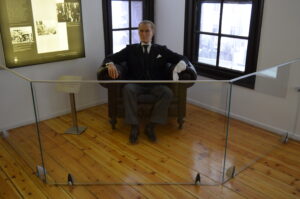
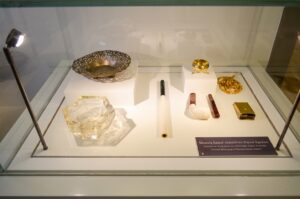
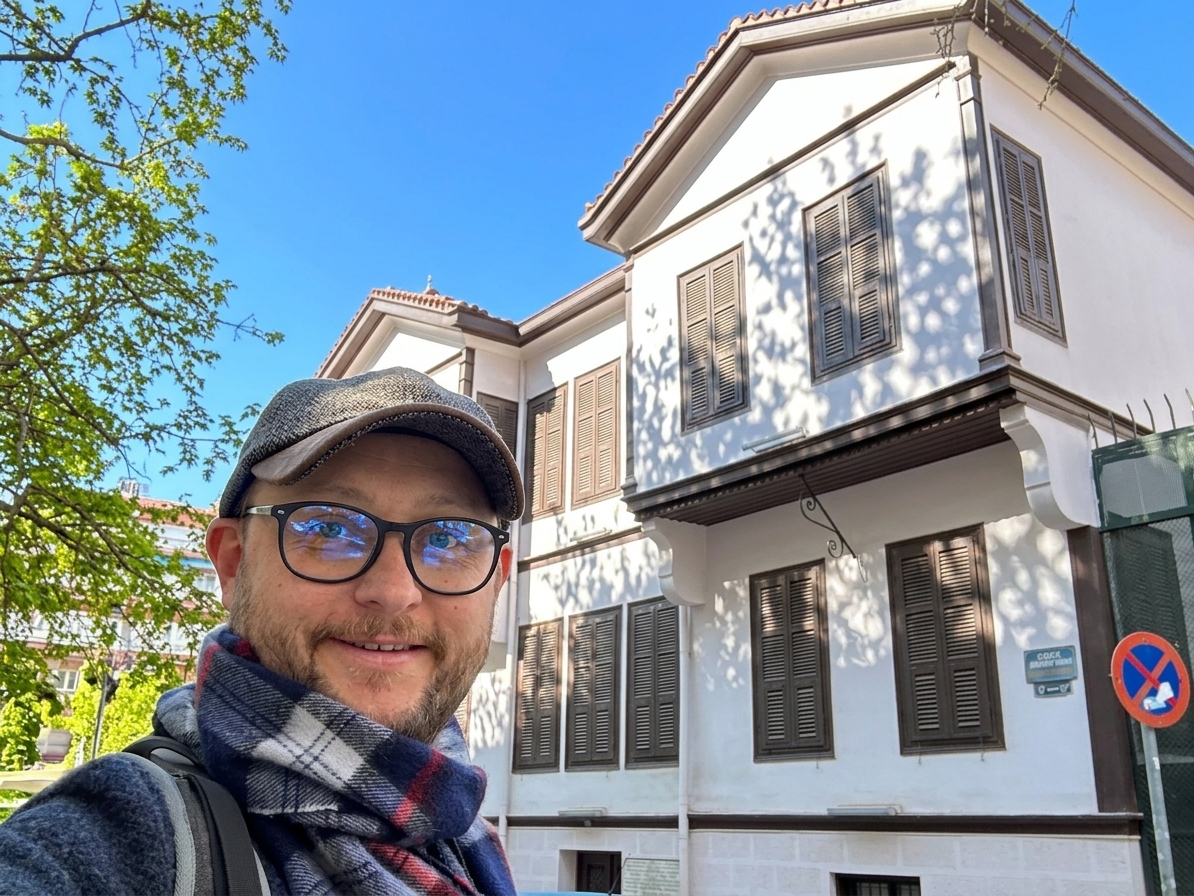
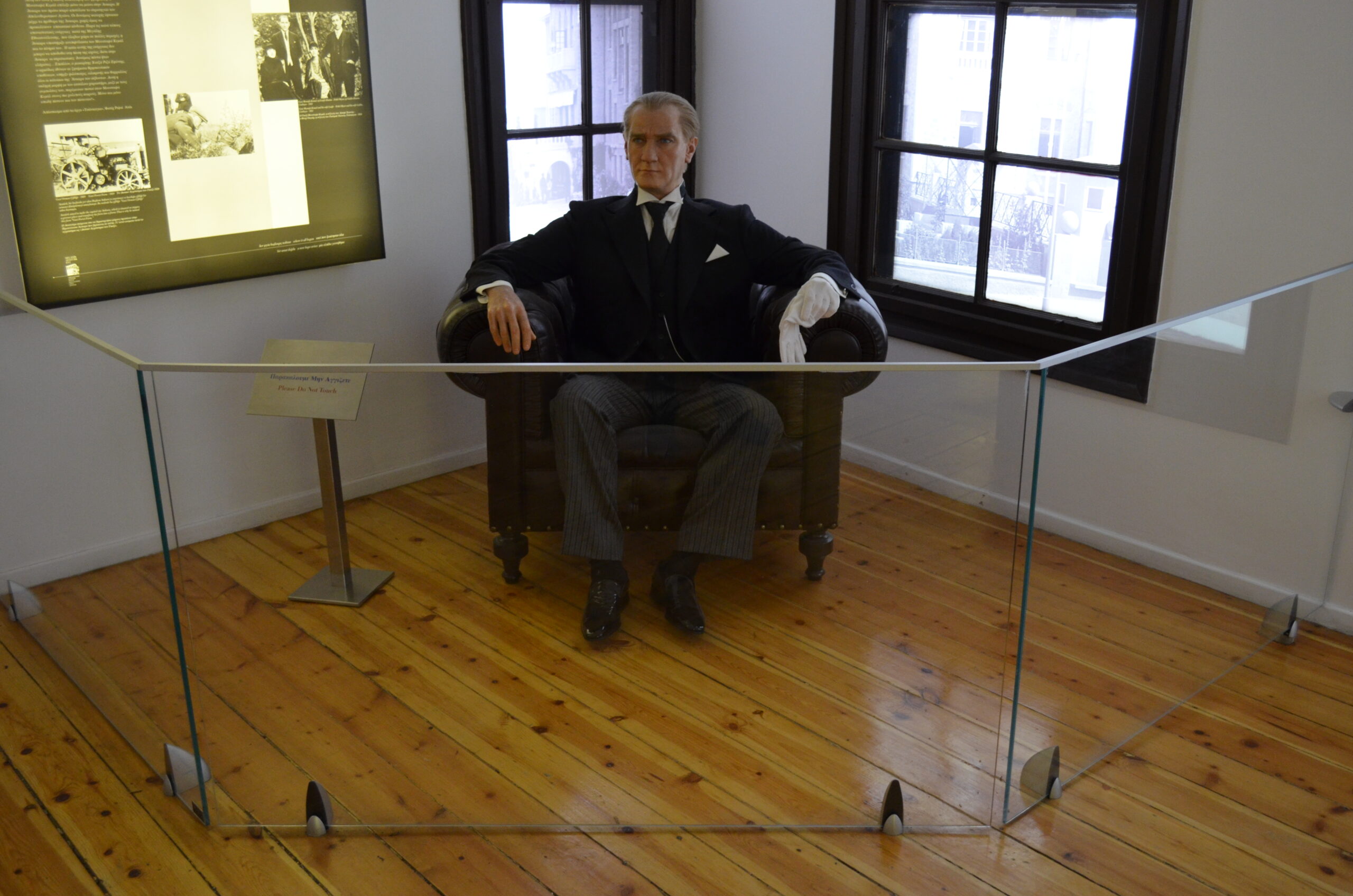
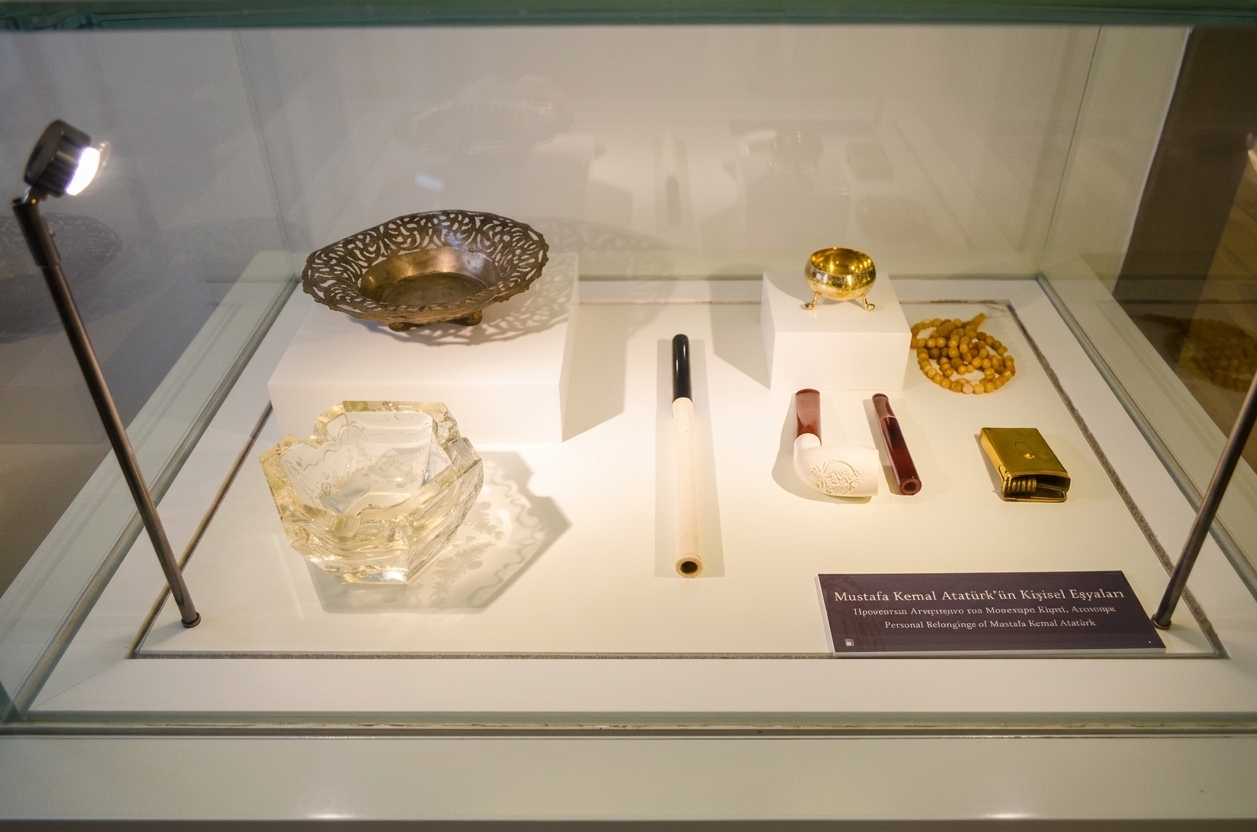


The house is located within the grounds of the Turkish Consulate General in Thessaloniki. Although it is outside Türkiye’s borders, it holds great historical and emotional significance for Turkish people and is one of the places Turkish visitors to Thessaloniki often make a point of visiting.
The museum is open every day except Monday from 10:00 a.m. to 5:00 p.m., with free admission.
2. White Tower
One of Thessaloniki’s most important landmarks, the White Tower, was built in the 15th century following the Ottoman conquest of Thessaloniki in 1430. An earlier tower belonging to the Byzantine fortifications had stood in the same area.
The building served different purposes throughout its history. During the Ottoman period, it was used for a time as a prison and execution site and became known as the Tower of Blood. In 1883, the tower was painted white on the orders of Sultan Abdul Hamid II, after which it became known as the White Tower. Following Thessaloniki’s incorporation into Greece in 1912, the tower was used for various purposes and eventually became one of the symbols of the city.
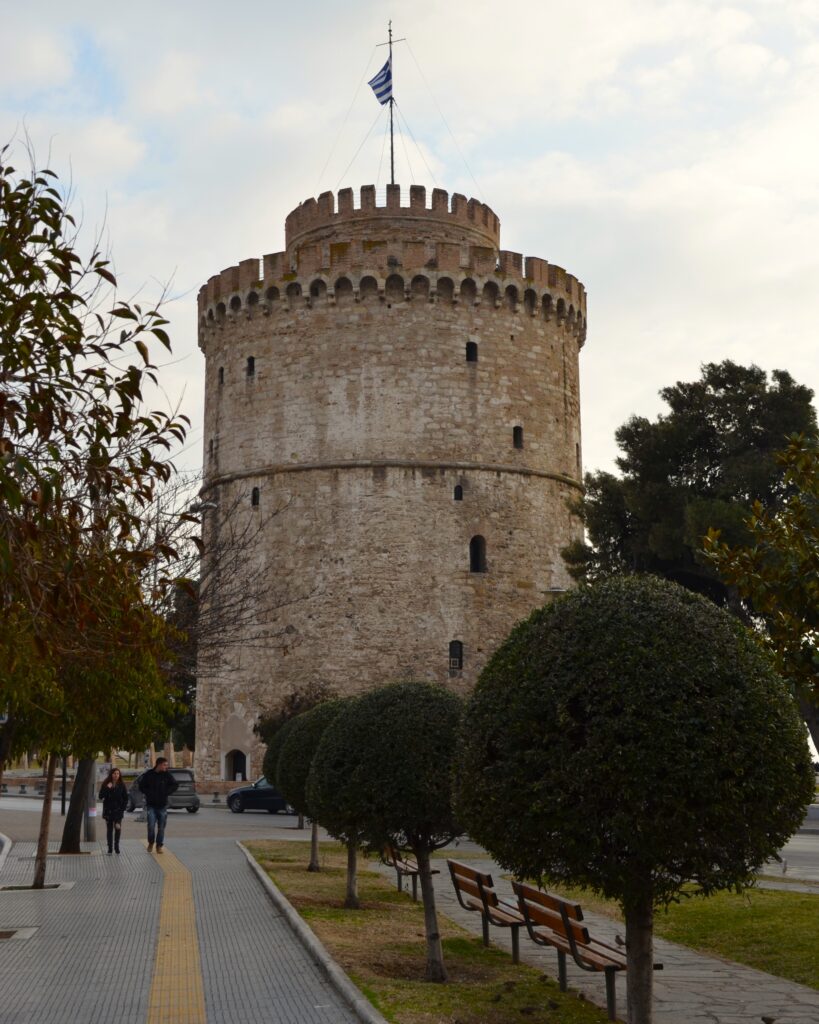
The White Tower is 33.90 metres high and 21.70 metres in diameter. The circular structure consists of a ground floor and six upper floors and was built mainly with stone, plaster, and brick. There is no elevator, so you have to climb the 92-step spiral staircase to reach the upper levels. From the top, you can enjoy impressive views over Thessaloniki and, on a clear day, Mount Olympus.
The tower is open daily and admission is €8. If you would like to learn more about the White Tower, you can visit its official website.
3. Hagia Sophia Church
One of the most important historical and religious landmarks in Thessaloniki, the Hagia Sophia Church is located in the city centre.
The present structure dates from the 7th or 8th century and was built on the site of an earlier 4th- or 5th-century basilica. The building served for many years as Thessaloniki’s metropolitan church and was converted into a Catholic cathedral following the Crusader occupation of the city in 1204. After the Ottoman conquest of Thessaloniki in 1430, it was converted into a mosque in the 16th century. Today, it is once again a church and forms part of Thessaloniki’s Early Christian and Byzantine Monuments, which have been listed as a UNESCO World Heritage Site since 1988.
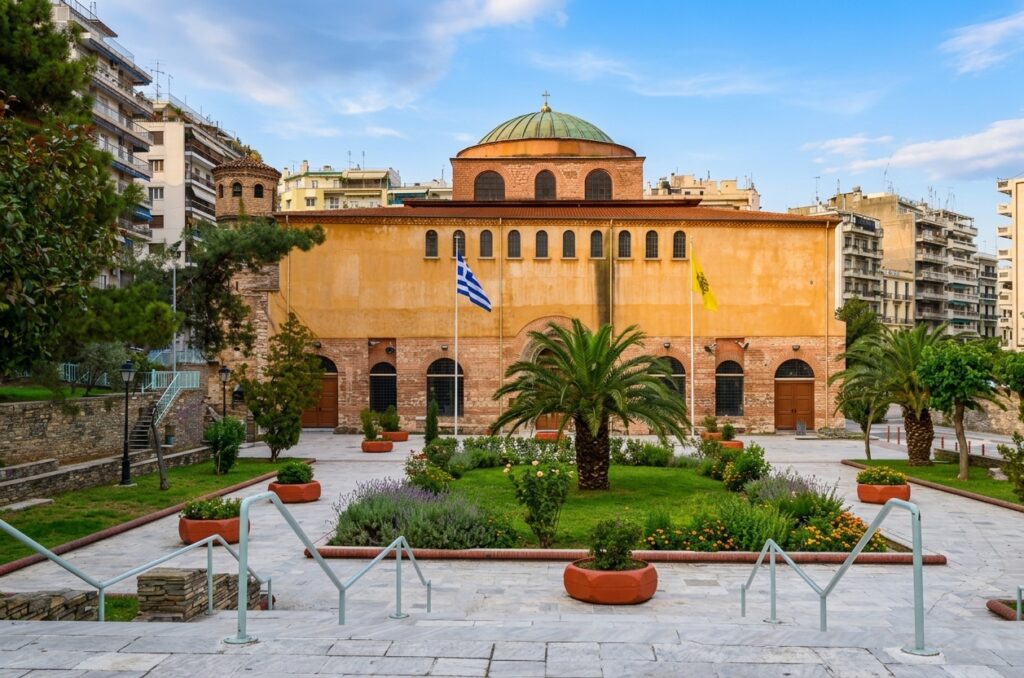
Architecturally, Hagia Sophia is an important example of the transitional domed basilica style of Byzantine architecture. Its large central dome gives the church its distinctive appearance, while the interior contains impressive Byzantine mosaics and frescoes. The mosaic depicting the Ascension of Christ in the dome is particularly noteworthy, along with the mosaics decorating the apse. For this reason, Hagia Sophia is worth visiting not only as a religious site but also as an important example of Thessaloniki’s Byzantine artistic and architectural heritage.
4. Rotunda (Church of Agios Georgios)
Located in the centre of Thessaloniki, the Rotunda is one of the city’s most impressive monuments, offering a glimpse into both its Roman and Byzantine past. Built around AD 306 during the reign of Emperor Galerius, the structure was originally part of his imperial complex. Its original purpose remains uncertain, but it was later converted into a religious building.
With the spread of Christianity, the Rotunda became a church and was later converted into a mosque during the Ottoman period. A minaret was added during this period, and after Thessaloniki became part of Greece in 1912, the building once again served as a Christian place of worship.
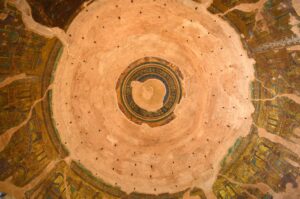
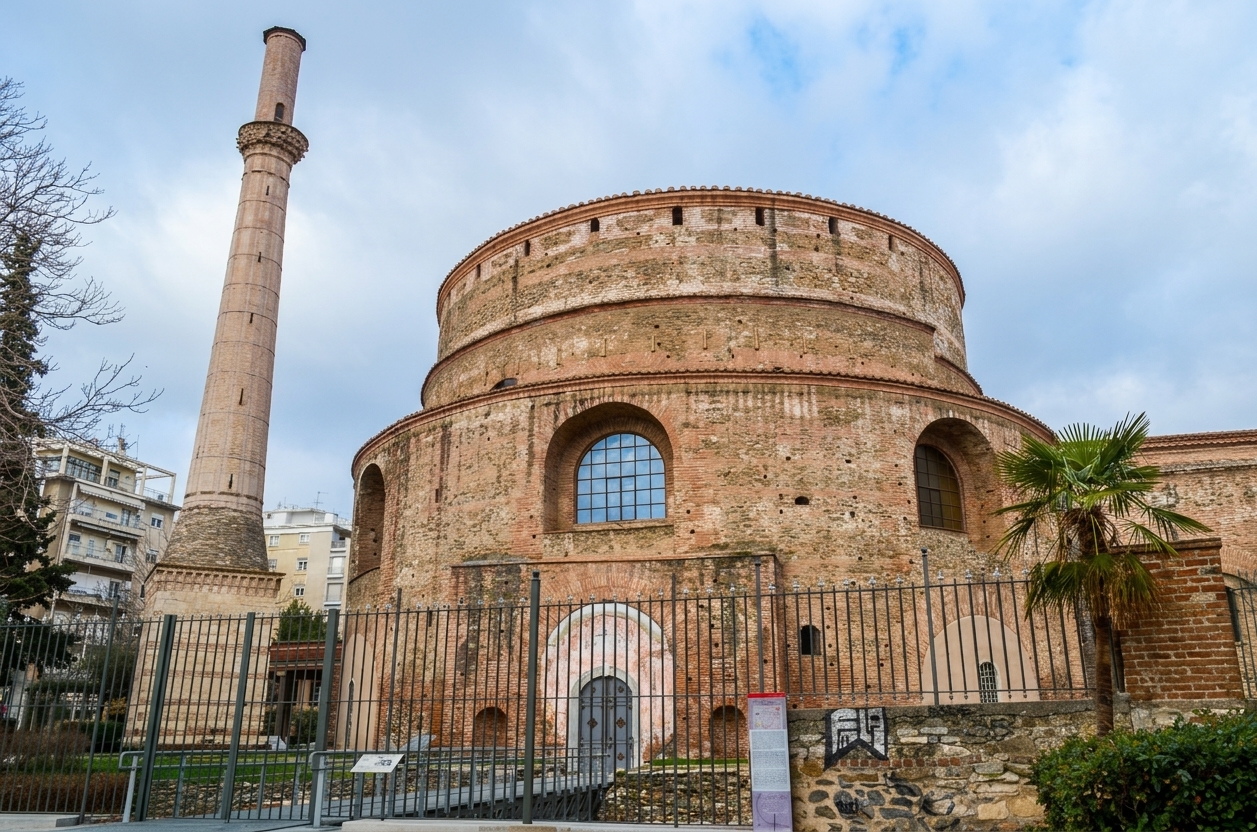
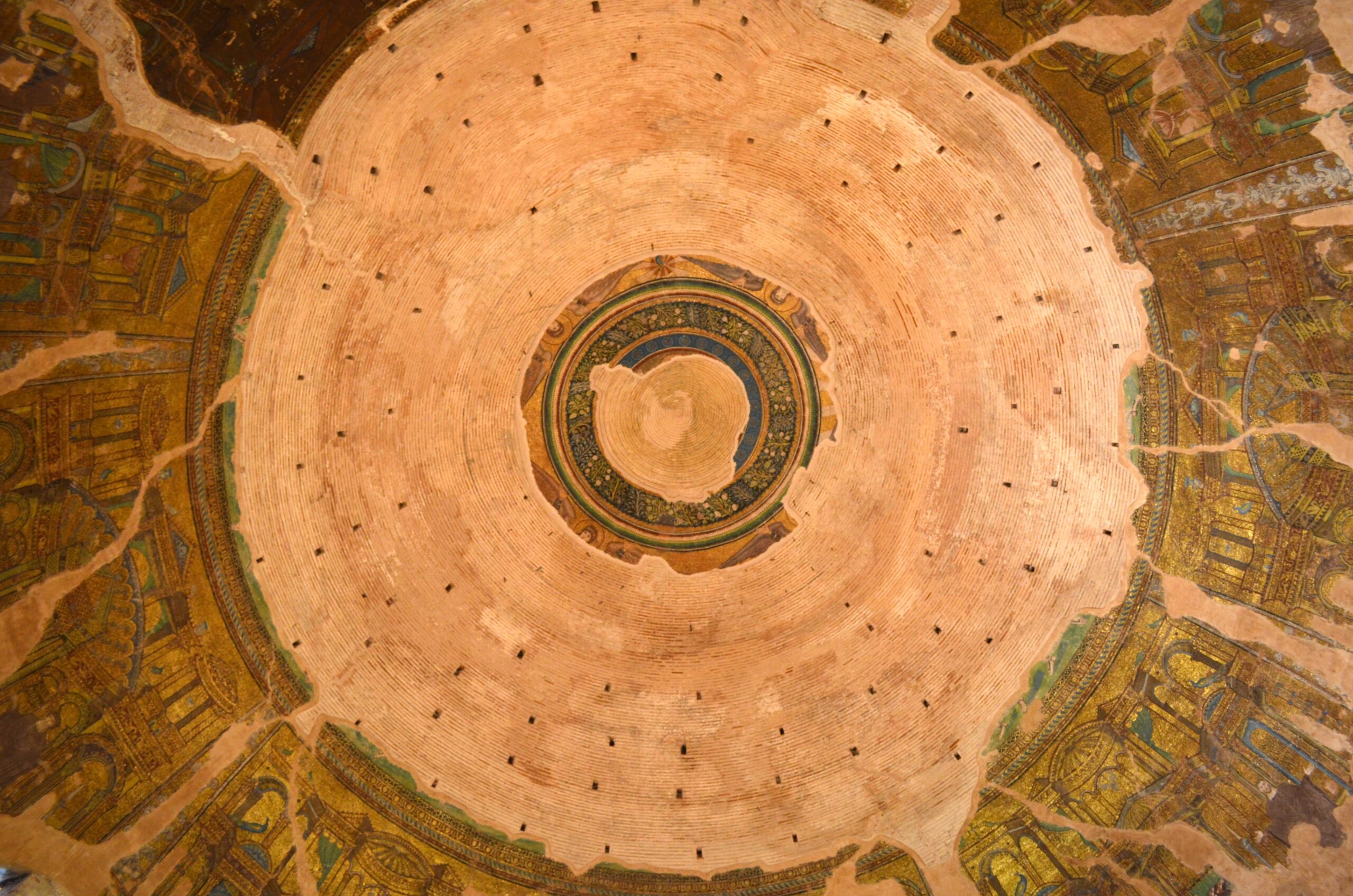
What impressed me most about the Rotunda was its huge dome and interior mosaics. The circular structure has a diameter of approximately 24.5 metres, while its thick walls and enormous dome make the interior particularly impressive. A significant portion of the Early Christian mosaics has survived, with the figures of saints in the lower sections being especially striking. The Ottoman-era minaret, which still stands outside the building, is another reminder of the different cultures and religions that have shaped the monument over the centuries.
Today, the Rotunda is one of Thessaloniki’s most important historical monuments and forms part of the city’s UNESCO World Heritage monuments.
5. Aristotelous Square
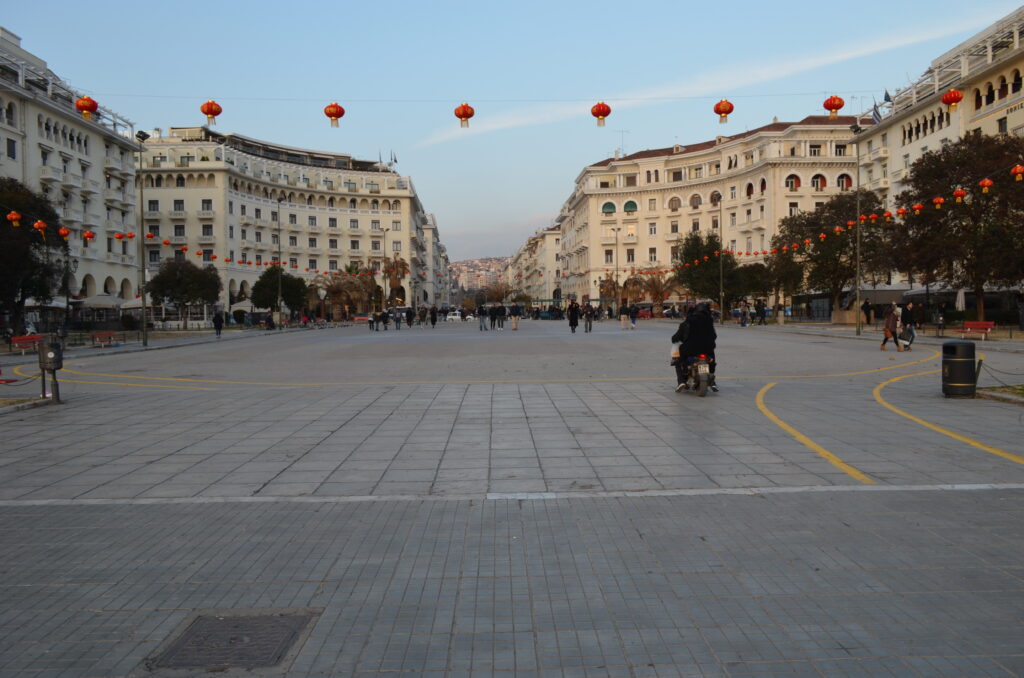
Aristotelous Square is one of the best-known and liveliest squares in Thessaloniki. Located right by the sea, the square is surrounded by elegant white buildings with cafés and restaurants at street level. It has a particularly pleasant atmosphere on sunny days.
When I visited Thessaloniki, I saw the square not only as a sightseeing stop but also as a great place to sit down and watch everyday life in the city. Various events are also held here from time to time. If you need a break while exploring Thessaloniki on foot, Aristotelous Square is an ideal place to stop.
6. Leof. Nikis Ave – Thessaloniki’s Waterfront
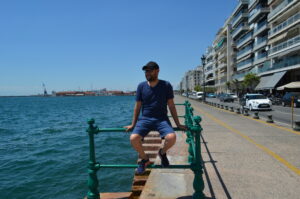
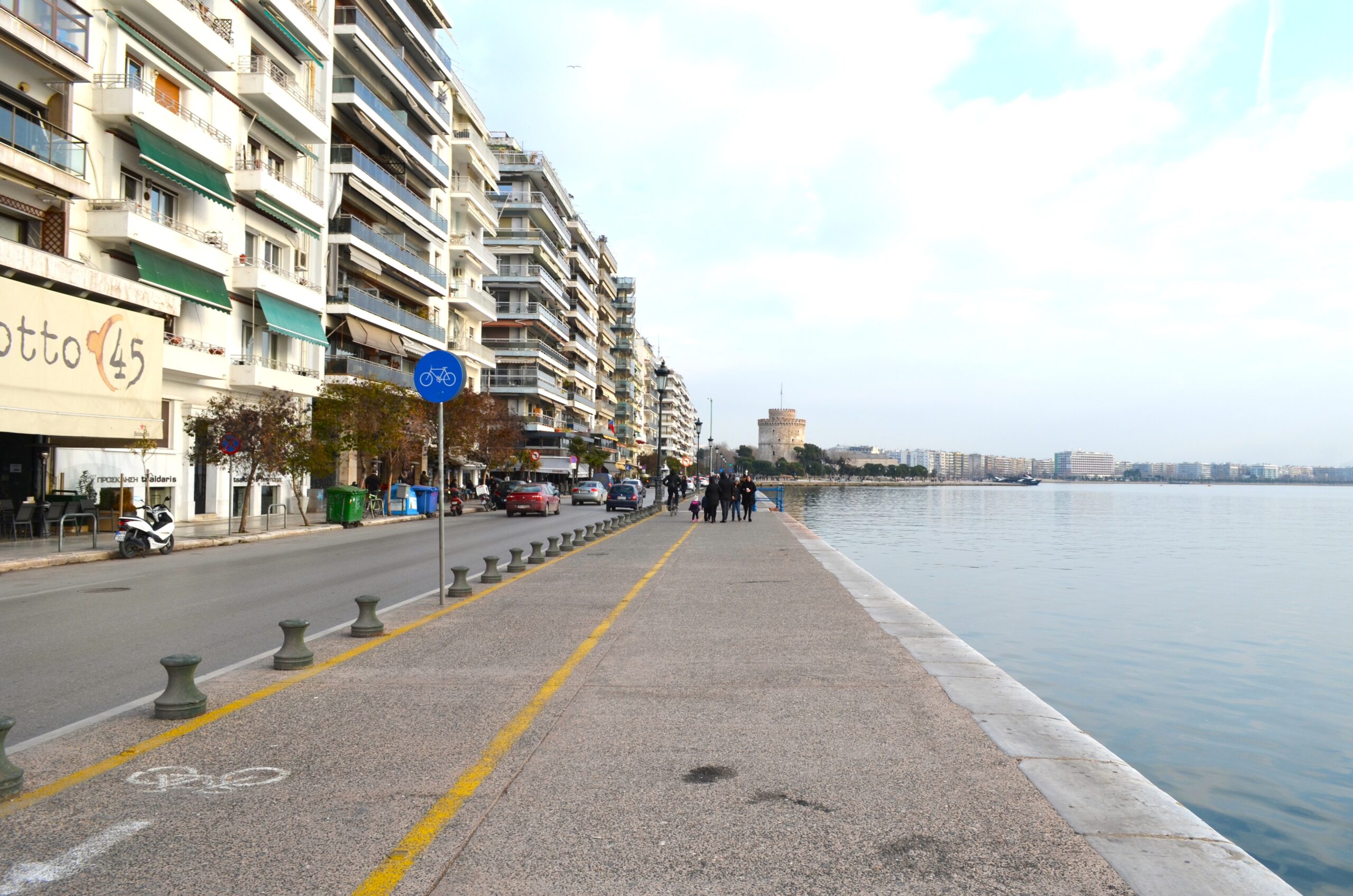
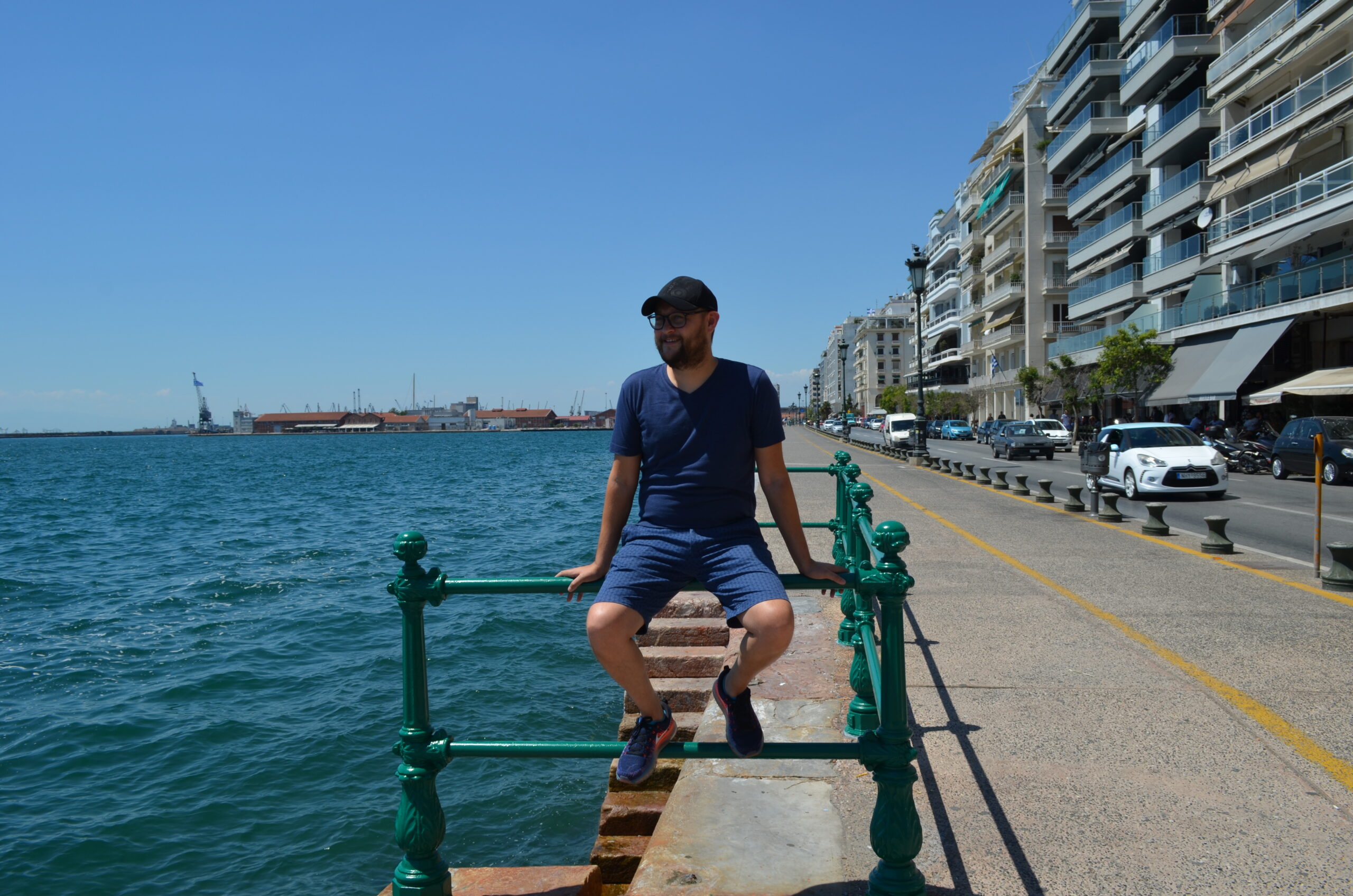
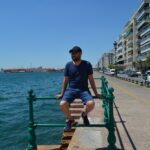
Leof. Nikis, the avenue running along Thessaloniki’s waterfront, immediately reminded me of the waterfront promenade in Izmir. Stretching between Aristotelous Square and the White Tower, the avenue is home to many of Thessaloniki’s popular cafés and restaurants.
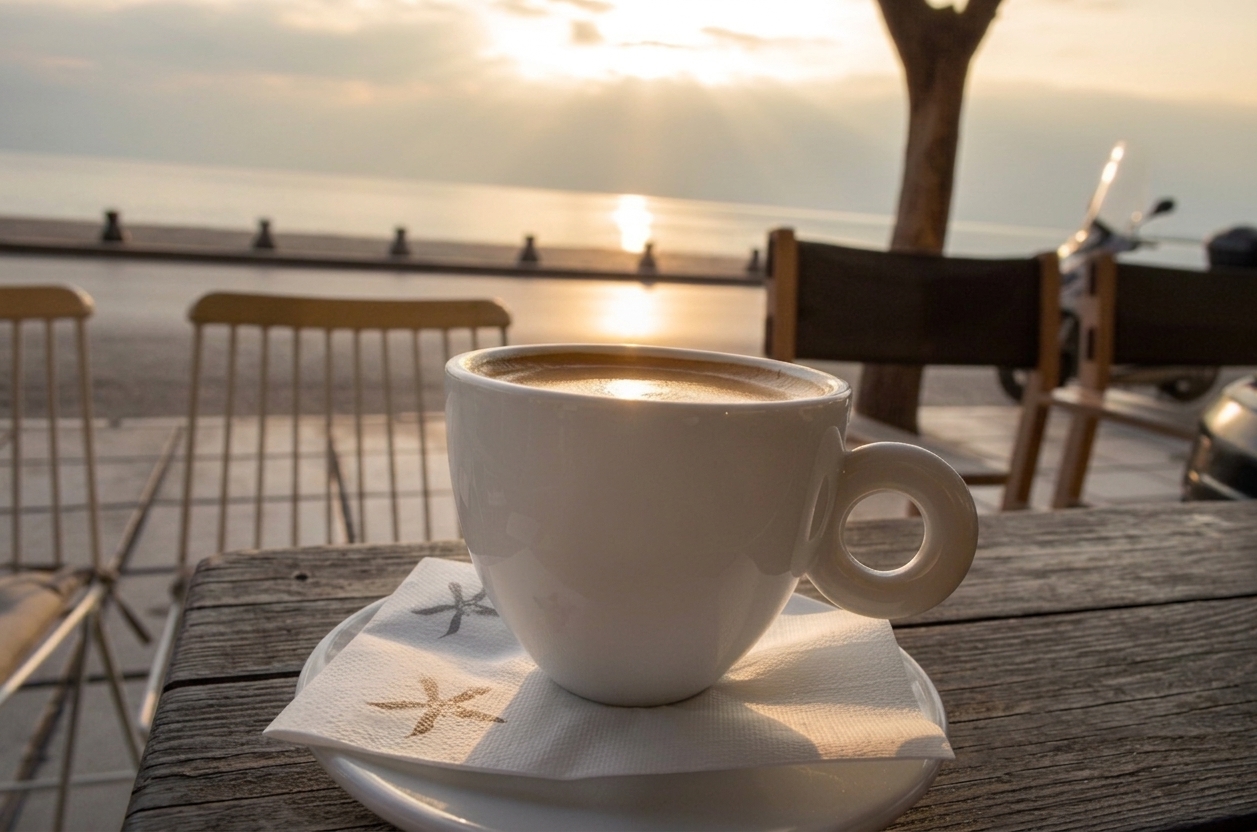
The area is lively both during the day and in the evening, becoming particularly busy when the weather is nice. For me, one of the best things to do in Thessaloniki is simply to walk along the waterfront without rushing, sit at a café overlooking the sea, and enjoy the city’s relaxed atmosphere.
If you enjoy shopping, I recommend leaving Leof. Nikis and exploring some of the streets running parallel to it. With plenty of small and larger shops, these streets are a good place to browse and pick up something to remember your trip by.


7. Ano Poli
Ano Poli, or Upper Town, has a completely different atmosphere from the rest of Thessaloniki. As you climb uphill, modern buildings give way to cobblestone streets, old houses, and Byzantine-era walls. The area’s historic atmosphere is one of the things that makes it special, but I think the views are another major reason to visit. From around Trigonio Tower, you can enjoy beautiful views over Thessaloniki and the sea, with Mount Olympus visible in the distance on a clear day.
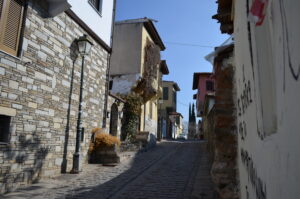
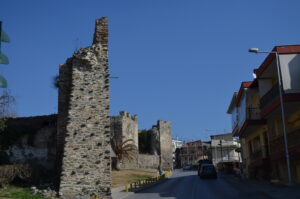
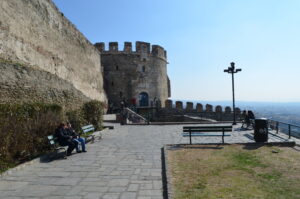
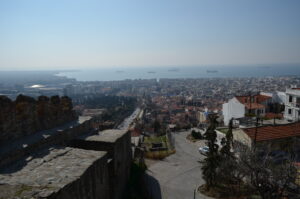
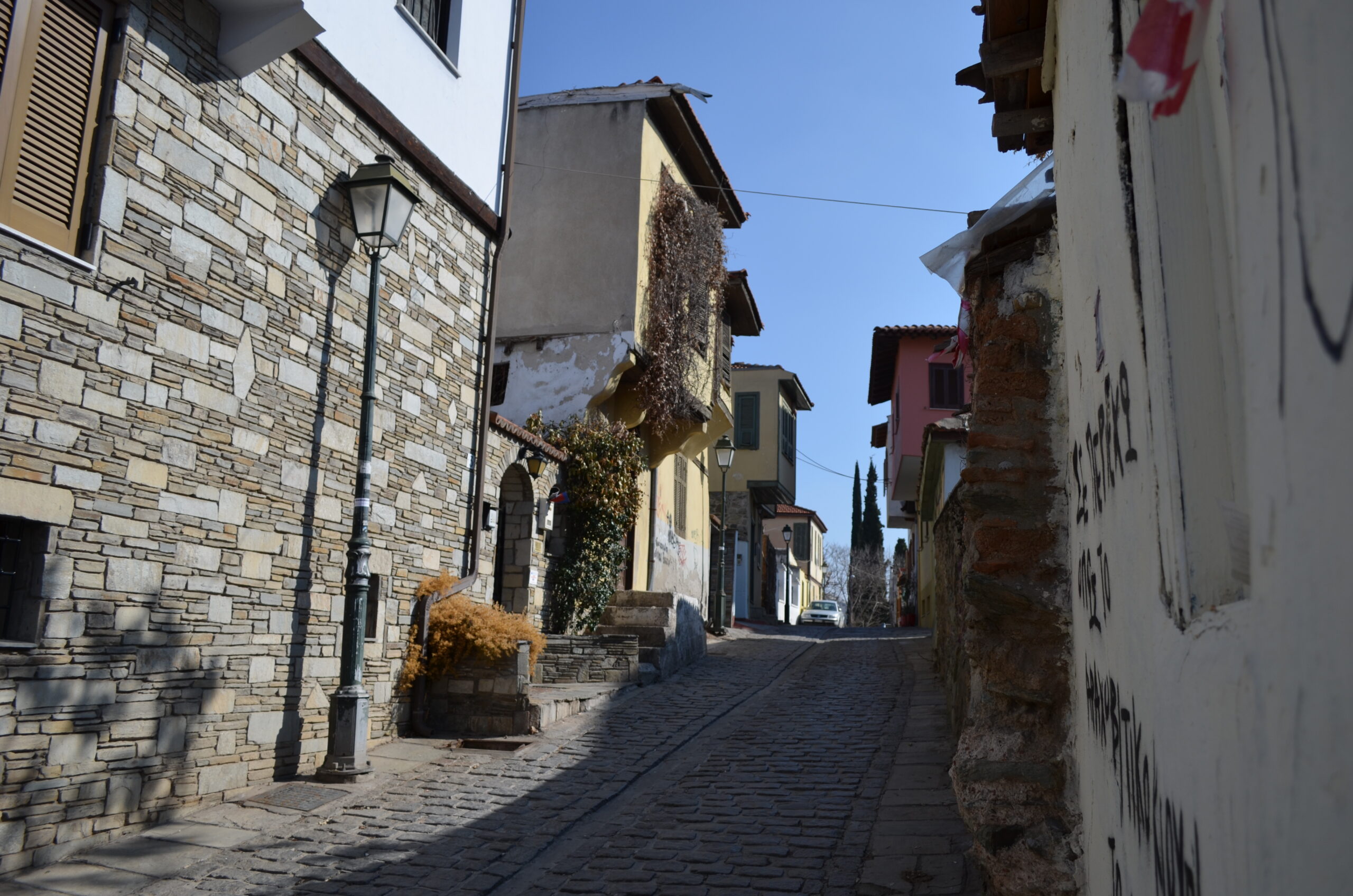
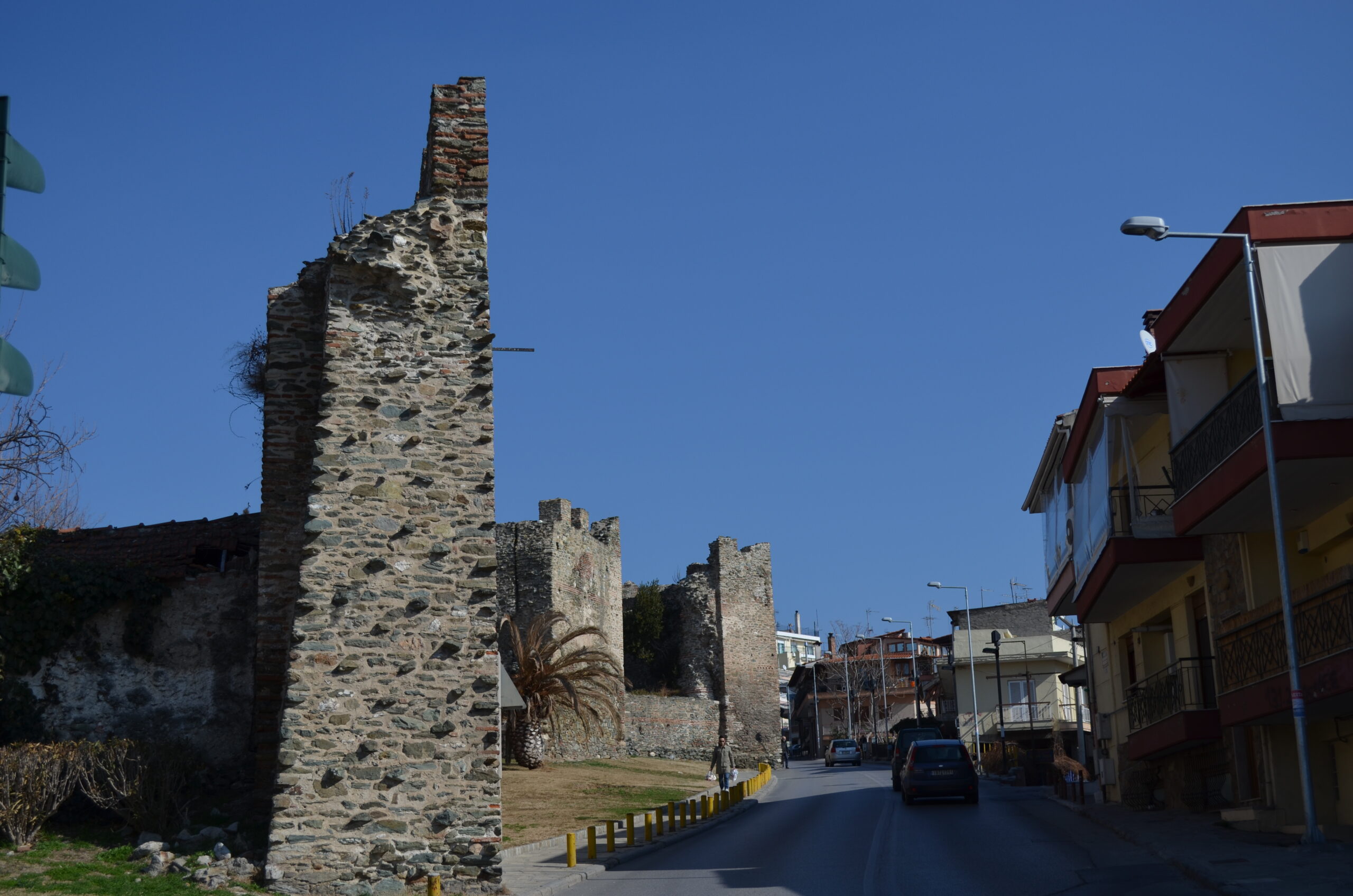
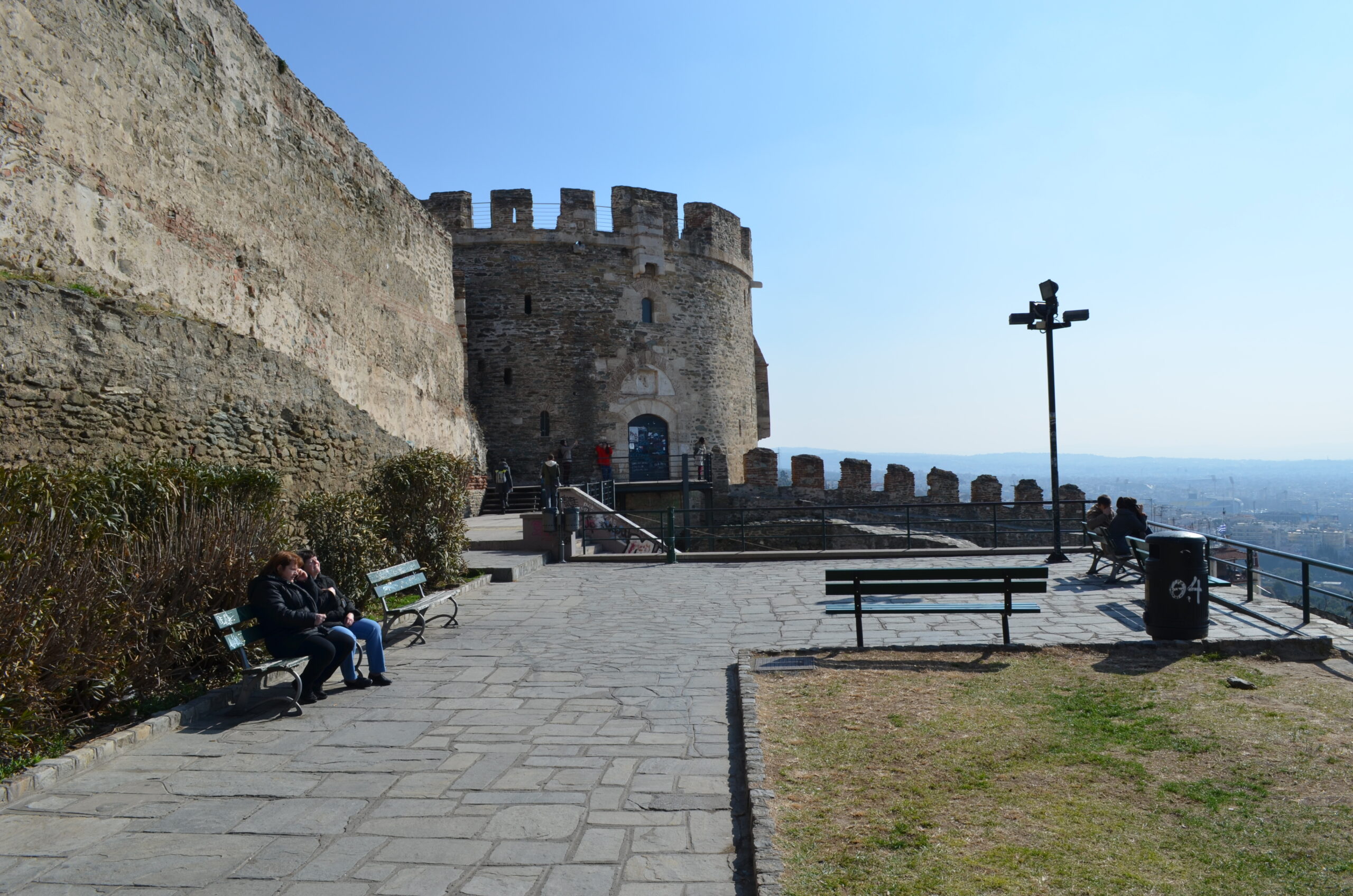
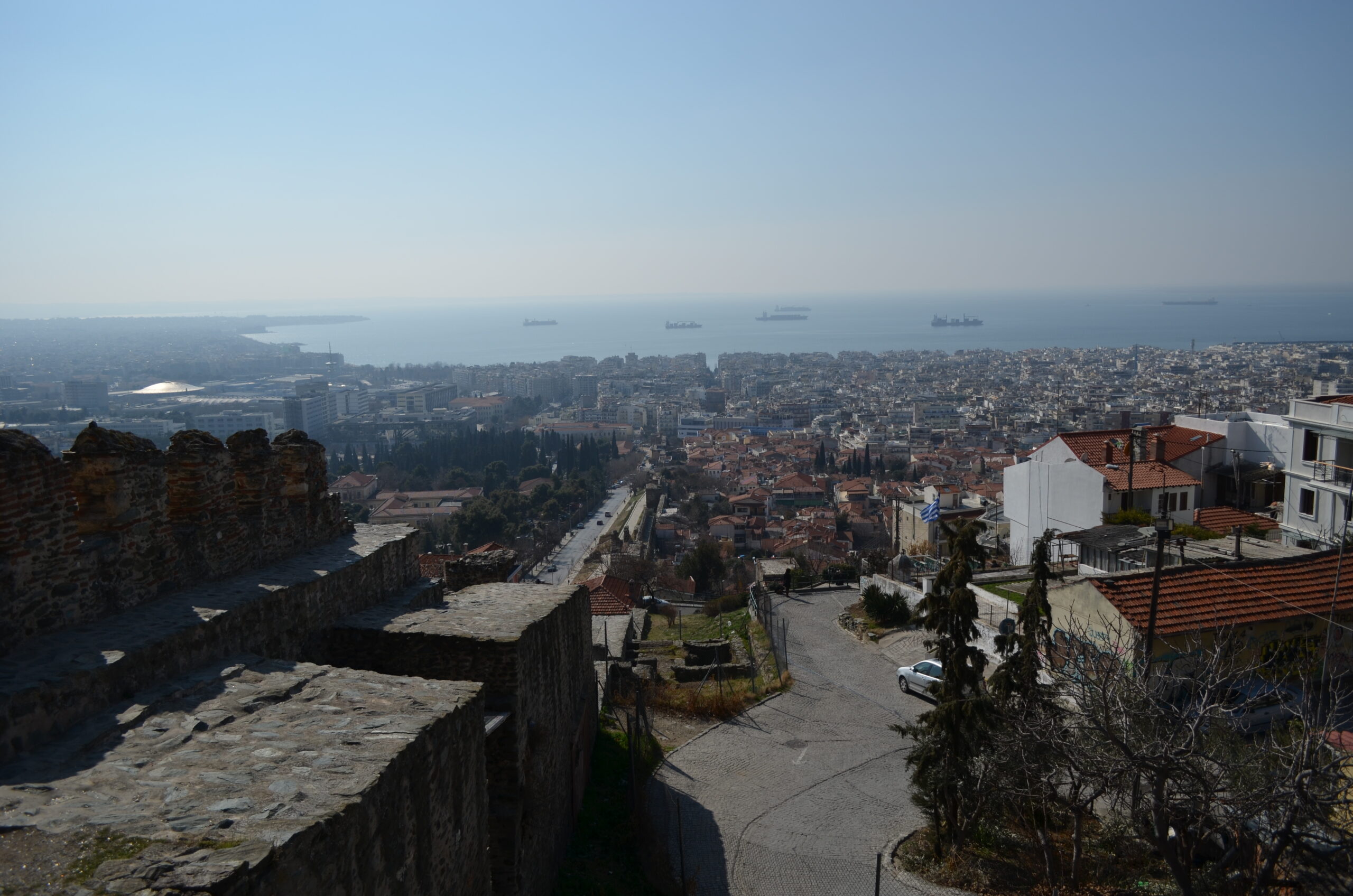
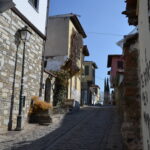
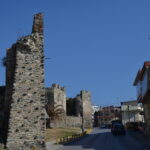
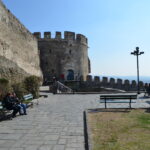
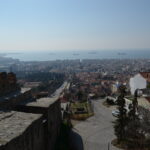
While exploring Ano Poli, you can visit several historic churches and parts of the Byzantine walls before heading to Eptapyrgio (Yedi Kule). I particularly recommend exploring the area without rushing and wandering through some of its quieter streets. Afterwards, stopping at one of the traditional tavernas around Tsinari is a great way to finish your visit.
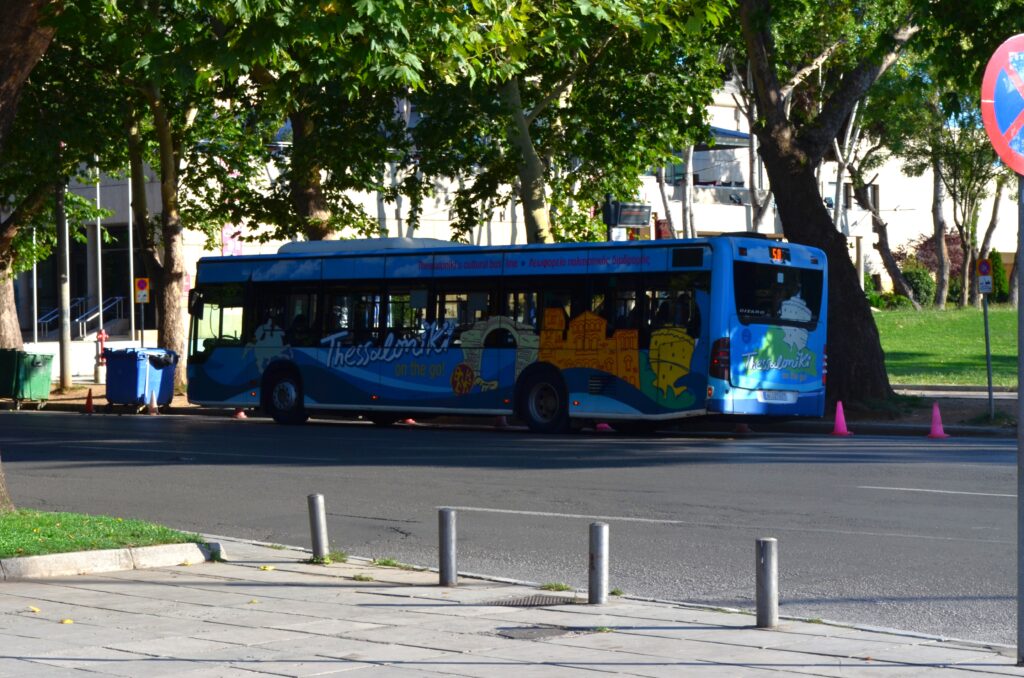
The easiest way to reach Ano Poli from the city centre is by bus. Bus No. 50, the Cultural Route, departs from the White Tower and stops at several important sights in Ano Poli, including Trigonio Tower and Moni Vlatadon Monastery. I recommend taking the bus uphill and then exploring the historic neighbourhood on foot. You can find more information about the route on the official OASTH website.
8. Alexander the Great Monument
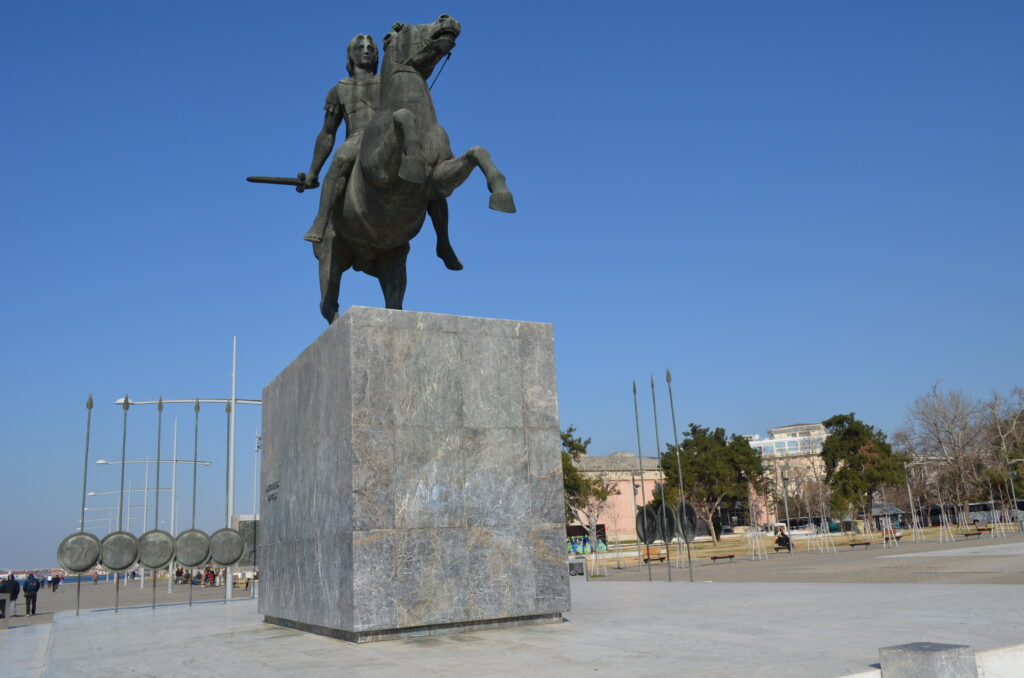
The Alexander the Great Monument is an impressive bronze statue located along the waterfront at Nea Paralia. It depicts Alexander the Great, the King of Macedon, on horseback.
Located right beside the sea, the monument is a nice place to stop while walking along Thessaloniki’s waterfront. It is particularly enjoyable to visit as part of a longer walk along Nea Paralia.
9. Other Places to Visit
If you have more time in Thessaloniki, you can expand your itinerary to include some of the city’s museums and historic markets. The Archaeological Museum of Thessaloniki is a good choice for discovering the ancient history of Macedonia, while the Museum of Byzantine Culture offers a closer look at Thessaloniki’s Byzantine heritage. The War Museum of Thessaloniki provides insight into the region’s military history, while the NOESIS Science Center and Technology Museum is a great option for those interested in science and technology.
To experience more of the city’s everyday atmosphere, you can also visit Modiano Market and the Bezesteni Market.
How Many Days Do You Need in Thessaloniki?
Of course, it is not easy to see everything Thessaloniki has to offer in just a few days. But if you plan your time well and want to cover most of the main places to visit in Thessaloniki, I think three full days is a satisfying amount of time.
Final Thoughts: Is Thessaloniki Worth Visiting?
Thessaloniki is a city where history blends naturally into everyday life. Life here always seems to move at a pleasant pace, while visitors have plenty of options for enjoying the city both during the day and at night.
So, is Thessaloniki worth visiting?
My answer is a simple YES.
If you’re looking for a place to stay in Thessaloniki, you can also check out my review of COLORS Urban Hotel.
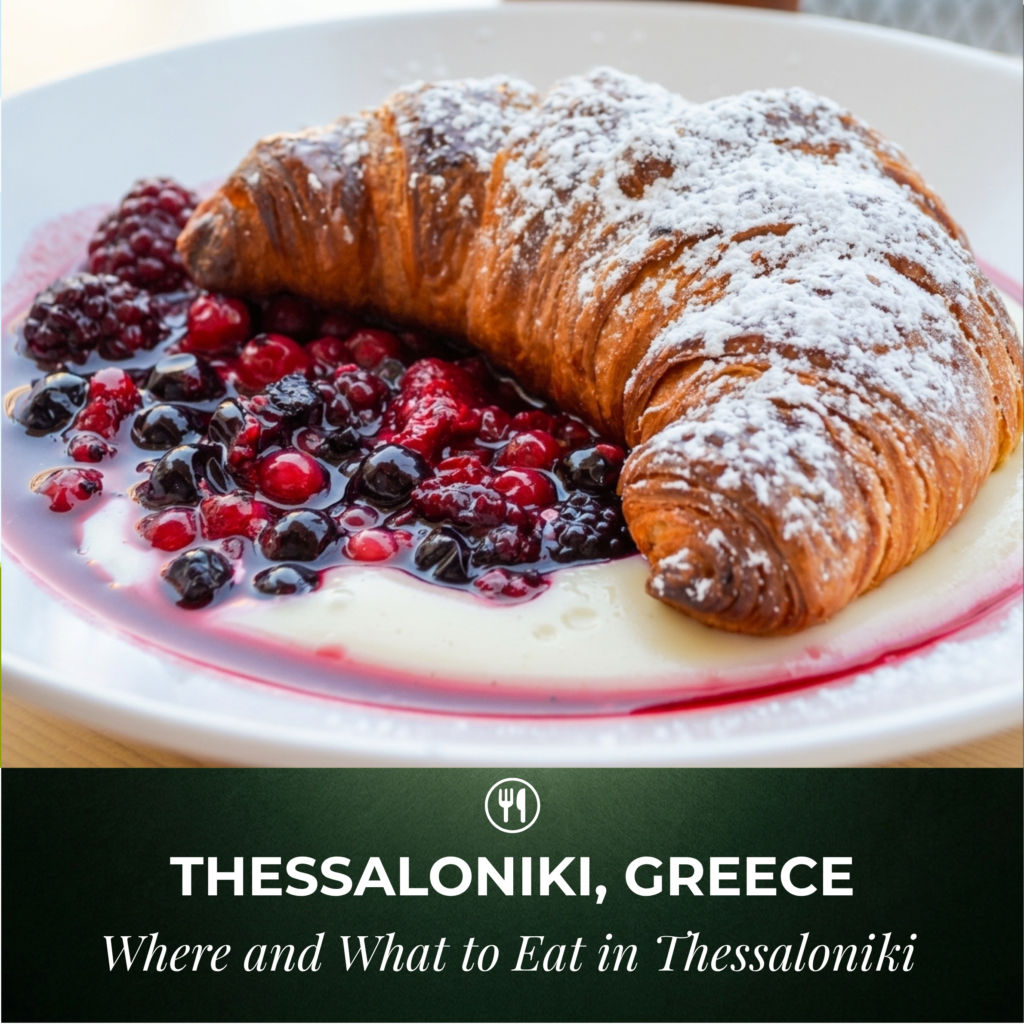
Where and What to Eat in Thessaloniki
On both of my trips to Thessaloniki, I enjoyed wandering from street to street and…
Best Things to Do in Thessaloniki: A Guide to Exploring the City
Best Things to Do in Thessaloniki – Thessaloniki is one of my favorite cities in…
Best Things to Do in Kavala, Greece: History, Food & Culture
Best Things to Do in Kavala – Located on the northern coast of Greece, overlooking…