
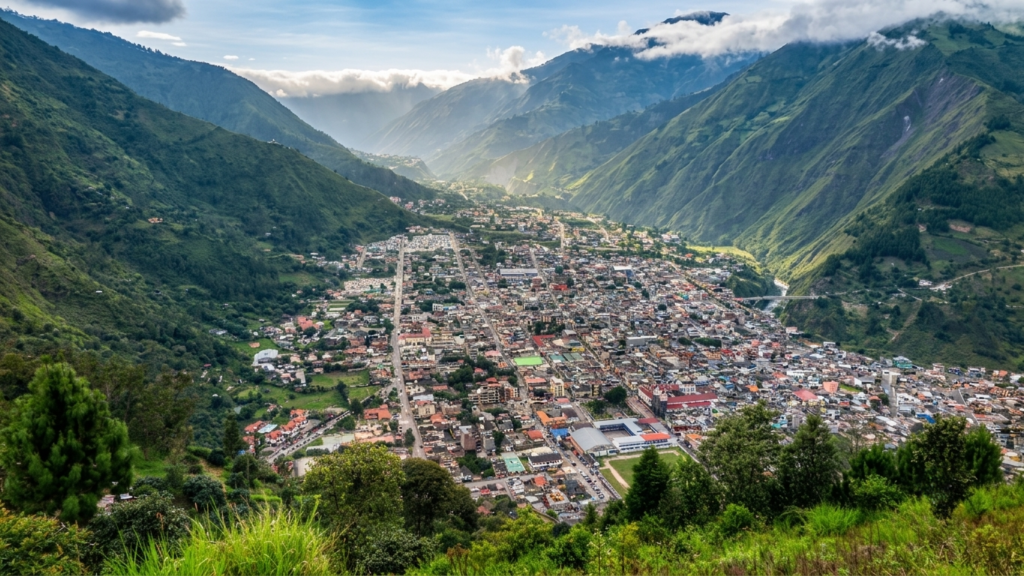
Baños / Banos – After spending action-packed days in Quito, it was finally time to set off on a new adventure. I woke up early in the morning, had my breakfast, shouldered the backpack I had prepared the night before, and checked out of my hostel. My destination was Baños de Agua Santa, a town famous for its hot springs, stunning waterfalls, dramatic mountain landscapes, extreme sports, and its world-renowned swing.
How to Get from Quito to Baños de Agua Santa
To catch a bus to Banos, I took the trolleybus down to the Terminal Terrestre Quitumbe, located in the southern part of Quito. It took me about an hour to get there. The station itself was quite modern, clean, and well-organized. The ticket counters clearly displayed which bus companies ran routes to which cities. I quickly found the counter displaying “Baños” and purchased my ticket for just 4.5 USD.
The bus ride took approximately 3 hours. Along the way, I enjoyed the breathtaking vistas of the Andean highlands. It became crystal clear to me why people often call Ecuador the mountain country of South America.
Baños Town Center
Baños is a charmingly small town with a population of around 15,000. As I set out for a stroll through the town center, the first thing that caught my attention was the sheer peace and tranquility of the place. In just about half a day of casual walking, I had managed to see almost the entire town.
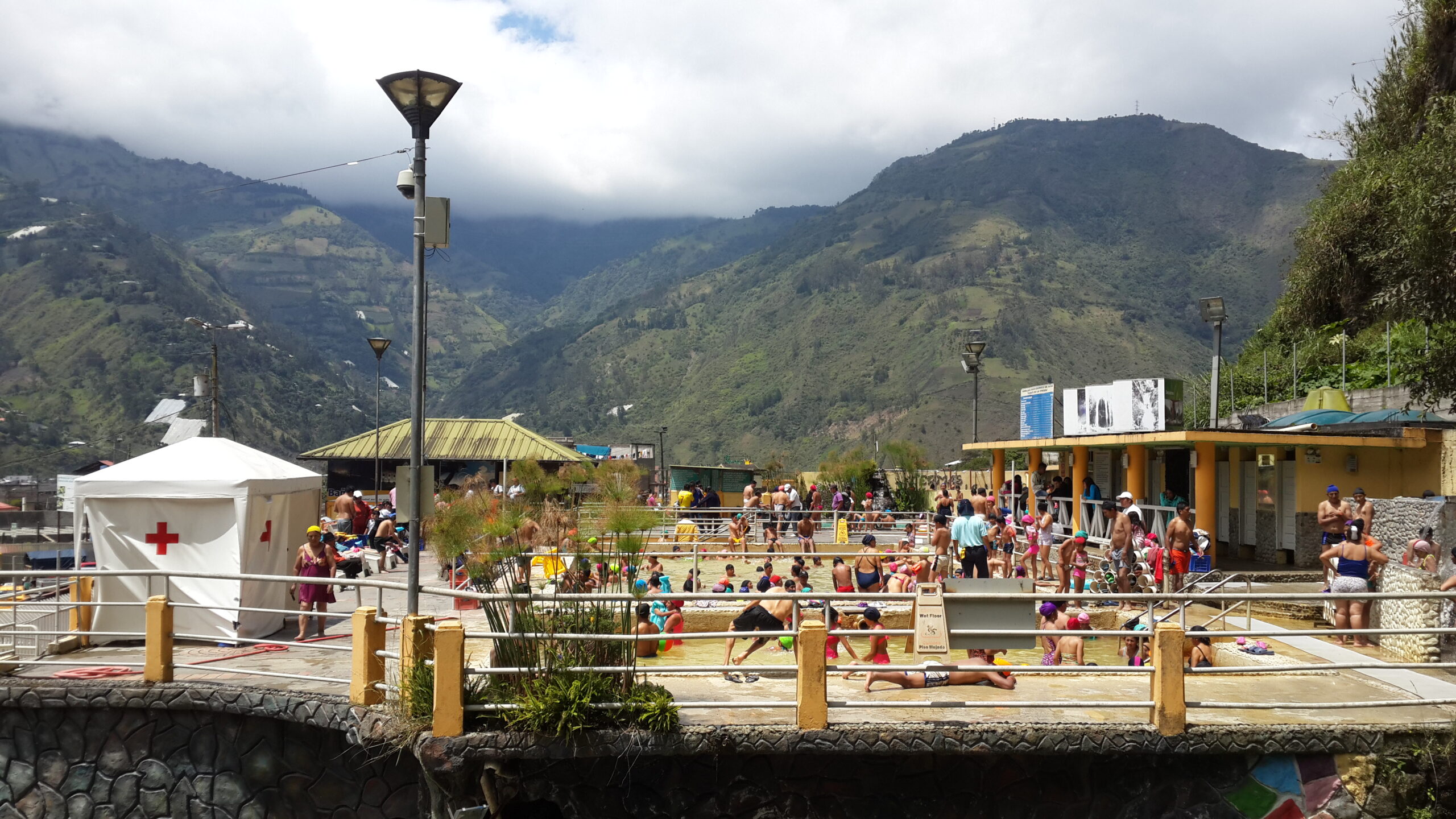
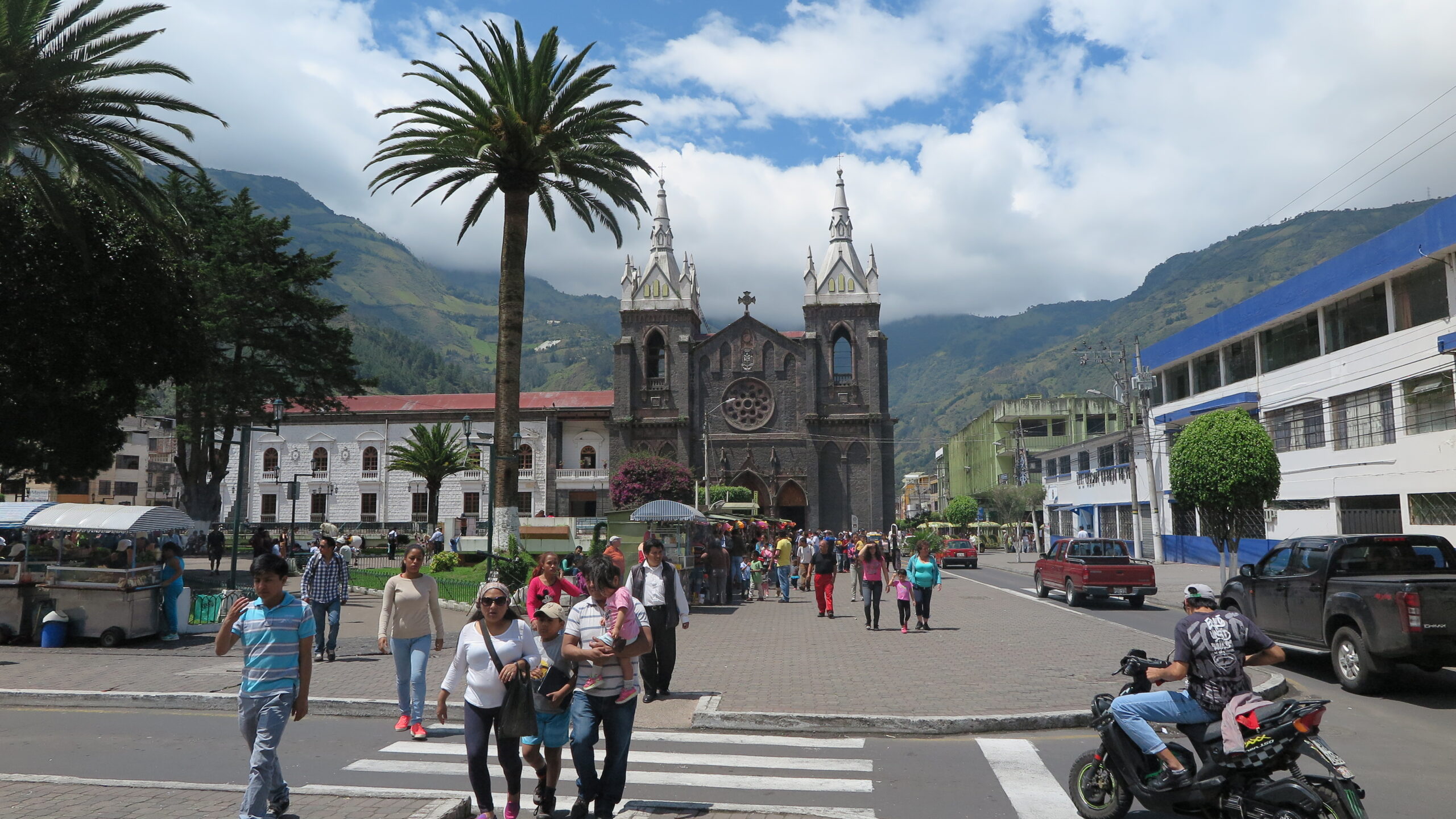
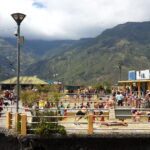
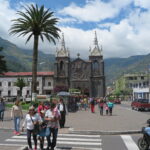
During my walk around the center, my first stop was the Termas de la Virgen area, where you can admire a cascading waterfall right next to the public thermal pools. Afterward, I visited the Basilica della Virgen de Agua Santa, one of the most iconic landmarks in Banos. Finally, I spent some time at Parque Palomino Flores, a lovely central square perfect for winding down and observing the local rhythm of daily life.
Best Things to Do in Baños
While the town center of Baños is incredibly delightful, historical buildings or museums are likely not the main reasons you’ll want to visit. What truly makes Banos special is its magnificent nature and the wide array of thrilling activities it offers. By the end of my trip, I fully understood why this place has earned the title of “Ecuador’s adventure capital“.
1. Casa del Árbol and the World-Famous Swing
When you think of Baños, the first image that comes to mind is undoubtedly Casa del Árbol. Nestled high up in the mountains overlooking the town, this tiny treehouse welcomes travelers from all over the world with its legendary El Columpio del Fin del Mundo (The Swing at the End of the World).
Located about 15 km from the town center, you can easily reach Casa del Árbol via local shuttles, buses, or organized tours. The entrance fee to the area is only 1 USD. While the site looks quite modest at first glance, you understand exactly why it is so popular the moment you sit on the swing. Swinging out over the lush green valleys, steep mountains, and rolling clouds makes you feel as though you are flying right into thin air.
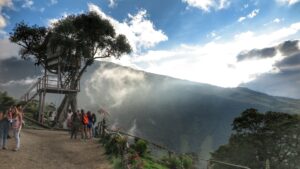
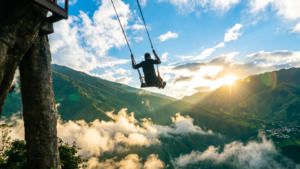
If the sky is clear and luck is on your side during your visit to Casa del Árbol, you might even catch a glimpse of the active Tungurahua Volcano, the dramatic backdrop of Banos.
Tip: On the way up to Casa del Árbol, you’ll spot several other swings along the ridges. These canyon-facing swings are also highly adventurous and offer an incredible adrenaline rush.
2. Flying Over the Valleys on a Zipline
Banos is blessed with a spectacular geography surrounded by deep canyons, rushing rivers, and emerald-green peaks. Because of this, ziplining has become one of the most sought-after adventures here, drawing thousands of thrill-seekers to Baños every year.
You can book a ziplining tour from almost any local agency in the town center. After making my reservation, the company’s shuttle picked me up and drove me out to the launch site.
This experience turned out to be much more than just a single zip. On the first line, I zipped across a rocky canyon with the wind in my face. Once on the other side, I was hooked onto safety lines to cross a narrow, suspension metal bridge suspended high above a roaring river. At the end of the bridge, a steep vertical ladder bolted straight into the cliffside awaited. Even though I felt completely safe with my carabiners constantly attached to the steel safety cables, the climb itself was an absolute rush.
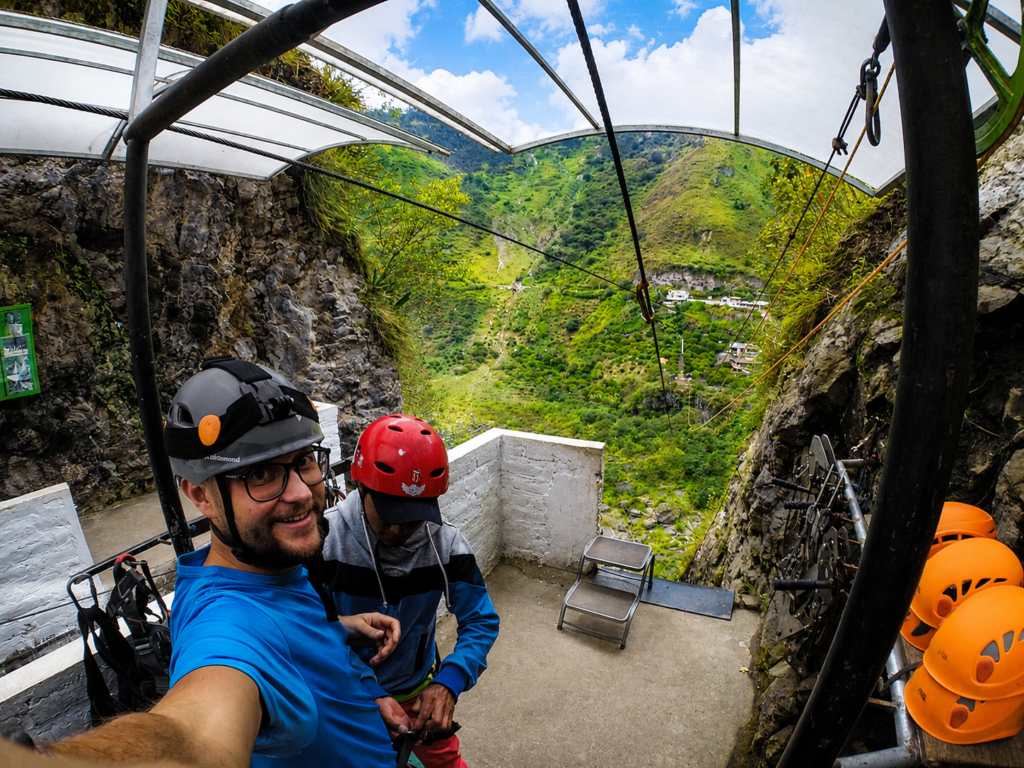
When we reached the top, the second zipline was ready. After the final safety checks, I launched myself back into the open air. Gliding over the valley while taking in a bird’s-eye view of the mountains and rivers was an unforgettable experience.

The entire activity took about 40 minutes and cost 20 USD, an experience absolutely worth every penny. If you are looking for an adrenaline kick in Baños, ziplining should be at the top of your bucket list.
Tip: Make sure to record your zipline flight! The footage will easily be one of the best highlights of your trip.
3. Balneario El Salado
After spending hours chasing adrenaline, the best thing you can do in Banos is to soak in one of its hot springs. Due to the high tectonic activity in the region, the underground springs here fill up several thermal baths with healing, mineral-rich waters. One of the best spots to experience this is Balneario El Salado.
Located just a few minutes away from the town center, this thermal facility features several hot pools that are perfect for soothing tired muscles. Soaking in the steaming waters with the cool mountain breeze on your face is pure bliss.
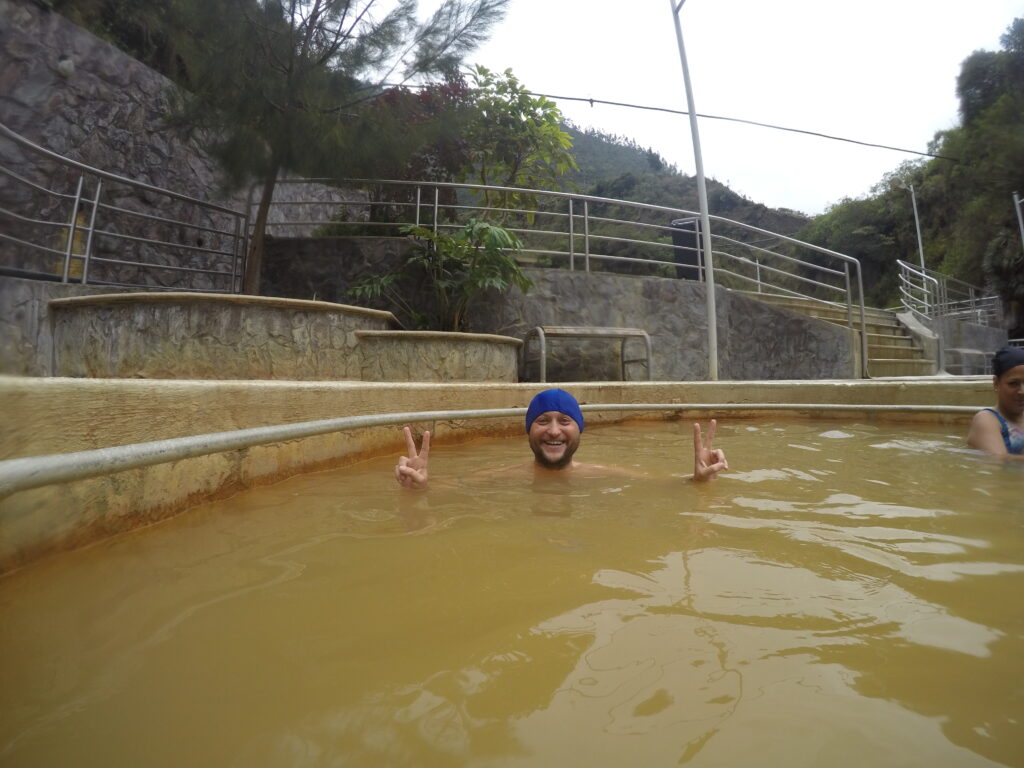
I highly recommend planning your visit for a weekday, as the pools can get quite crowded with both locals and tourists over the weekend.
4. Trekking, Biking, and Rafting
Since my time in the town was limited, I wasn’t able to try everything. However, if you have a more flexible schedule and a passion for outdoor sports, Baños offers excellent white-water rafting, mountain biking trails, and scenic trekking routes. You can easily gather details and rent equipment from the agencies in town.
Where to Stay in Baños?
Accommodation options in Banos primarily consist of budget-friendly hostels and mid-range hotels. There are plenty of fantastic options available for under 50 USD per night, most of which are conveniently located within the compact town center, making getting around completely hassle-free.
For my stay, I chose La Casa del Molino Blanco hostel and was thoroughly satisfied with my choice. The breakfast was satisfying, the staff went out of their way to be helpful, and the rooms were remarkably clean. In terms of value for money, I would say it’s one of the best budget accommodations in Baños. You can [CLICK HERE] to get more information about the hostel!
What to Eat in Baños?
Despite its small size, Banos is one of the most intriguing culinary stops in Ecuador. Positioned right between the Andean highlands and the Amazon basin, the food scene beautifully blends traditional mountain cuisine with tropical Amazonian influences. If you are wondering “What to eat in Baños?”, here are a few local specialties you must try:
a. Melcocha
This is the ultimate signature sweet of Banos. It is a traditional candy made from boiled sugarcane syrup. As you walk through the town center, you can watch local artisans dynamically stretching and beating the hot candy paste against wooden pegs on shop walls to give it its final texture.
b. Hornado
A classic Andean specialty consisting of slow-roasted pork that falls right off the bone. It is typically served alongside mote (hominy/boiled white corn), llapingachos, and a refreshing pickled onion salad. It’s a staple of the Ecuadorian Sierra region.
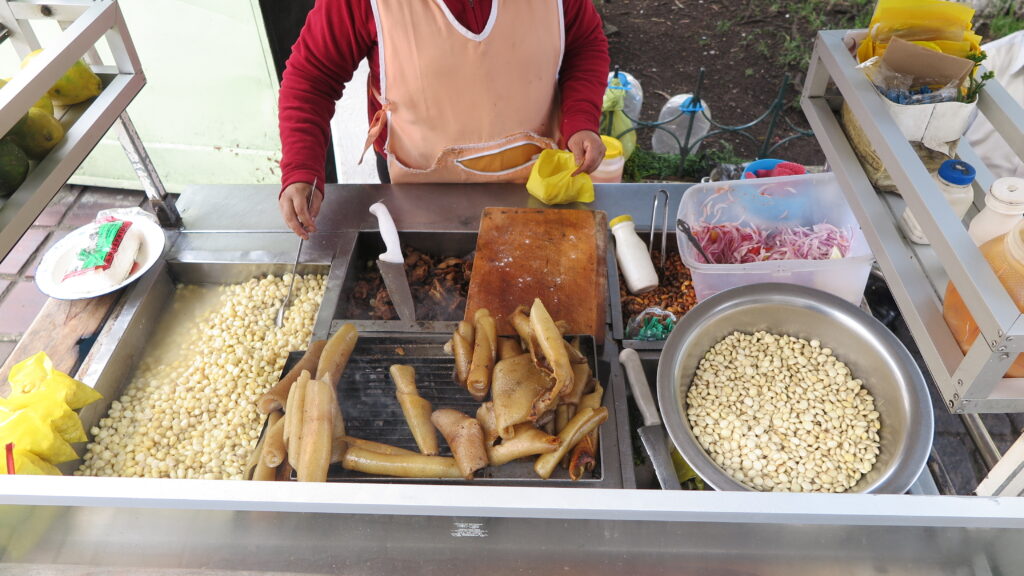
c. Llapingachos
Pan-seared potato patties stuffed with cheese. They are traditionally served as a platter accompanied by chorizo sausage, a fried egg, avocado slices, and salad. You can find incredibly delicious and budget-friendly versions at the local central market in Baños.
d. Yahuarlocro
A traditional potato-based Andean soup, typically prepared with tender lamb. It is a timeless classic of Ecuadorian highland cuisine. What makes this soup uniquely authentic is its final topping: a spoonful of cooked lamb blood that has been seasoned and pan-fried with green onions and spices. The name itself reflects this culinary tradition, derived from the Kichwa word for blood (yahuar).
e. Empanadas de Viento Large, airy fried pastries stuffed with gooey melted cheese. They are lightly dusted with powdered sugar right before serving. Locals love pairing these with a hot cup of traditional hot chocolate, especially during the cool mountain evenings.

Guatapé Guide: Guatapé Day Trip from Medellín
Guatapé – Some trips are like this: you leave early in the morning, spend the…
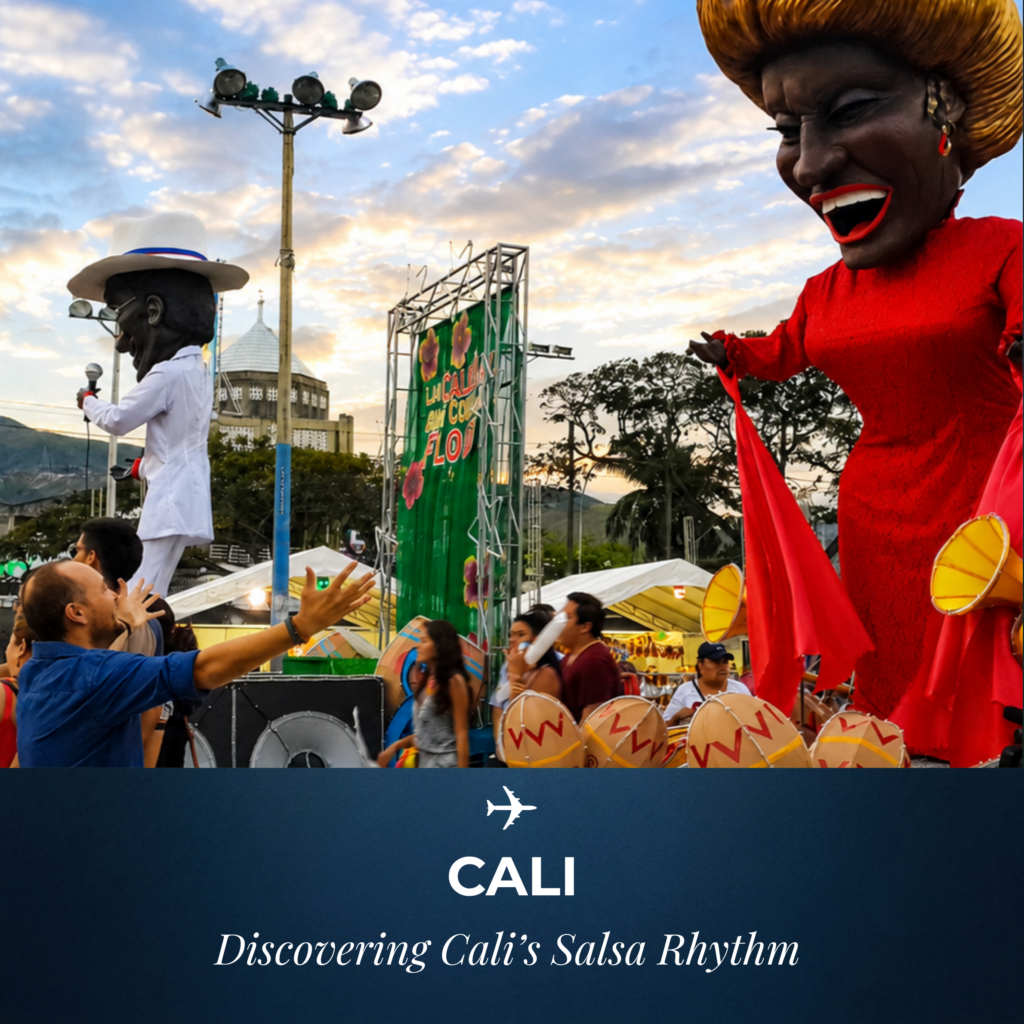
Salsa in Cali: Discovering the Rhythm of Dance in Colombia’s Salsa Capital
Salsa in Cali — Wherever the name of Cali, located in southwestern Colombia, is mentioned,…
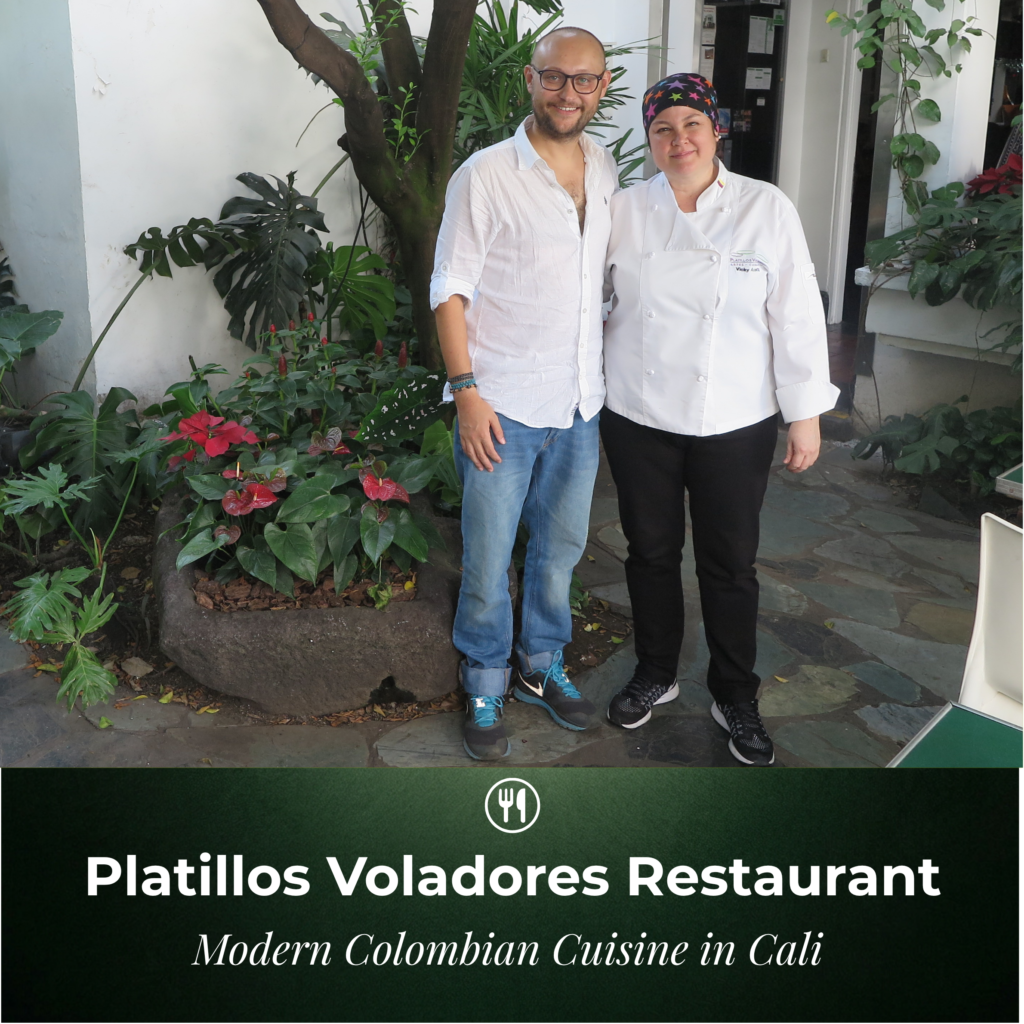
Platillos Voladores Restaurant, Cali: A Modern Take on Colombian Cuisine
Platillos Voladores Restaurant, Cali – When people think of Cali, Colombia, salsa dancing is usually…