
After a scenic three-hour bus ride from Ibarra, I finally set foot in Quito, marking my third capital city stop in South America. The best part? That three-hour journey cost me a grand total of just $3.
As the bus rolled into the city, the first thing that caught my eye was the sheer density of people and traffic. I later found out that about 3 million of Ecuador’s 18 million residents call Quito home. Just like in many developing nations, it makes sense that people flock to the capital where the jobs and opportunities are.
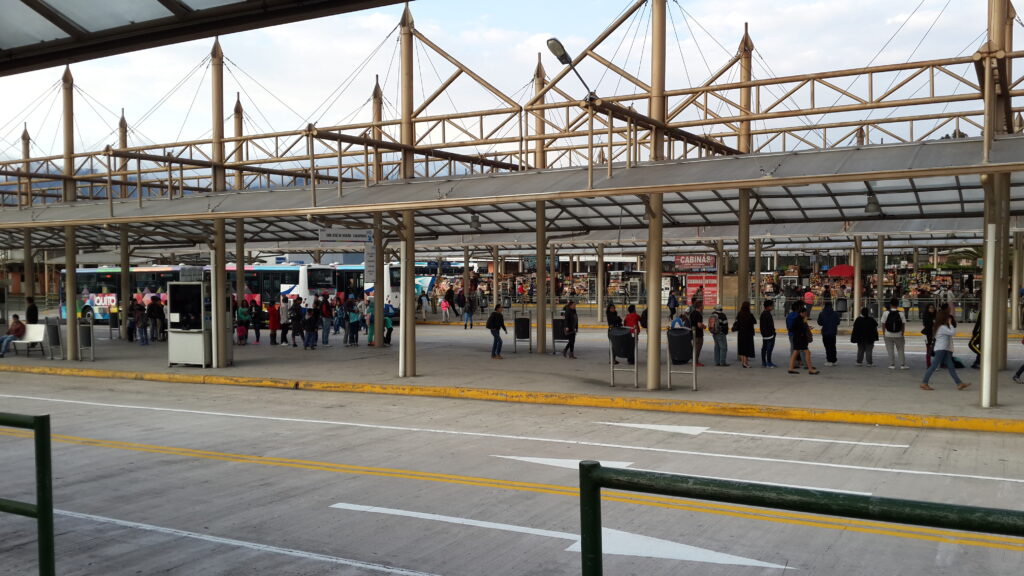
Getting to the city center can be a bit tricky since the main bus terminal is located quite far out. Unless you want to shell out for a taxi, your best bet is the trolebús (trolleybus). Compared to cabs, it’s an absolute steal; a one-way ticket is just $0.45. These buses operate on their own dedicated lanes, making them incredibly fast, efficient, and convenient.
From Colonial Era to Independence: A Quick History of Quito
Perched on the slopes of the Andes Mountains at an altitude of roughly 2,850 meters (9,350 feet), Quito is the second-highest capital city in South America, right after Bolivia’s La Paz. Long before the Spanish arrived, this region was a vital urban hub for the Inca Empire. However, the city as we know it today was officially founded in 1534.
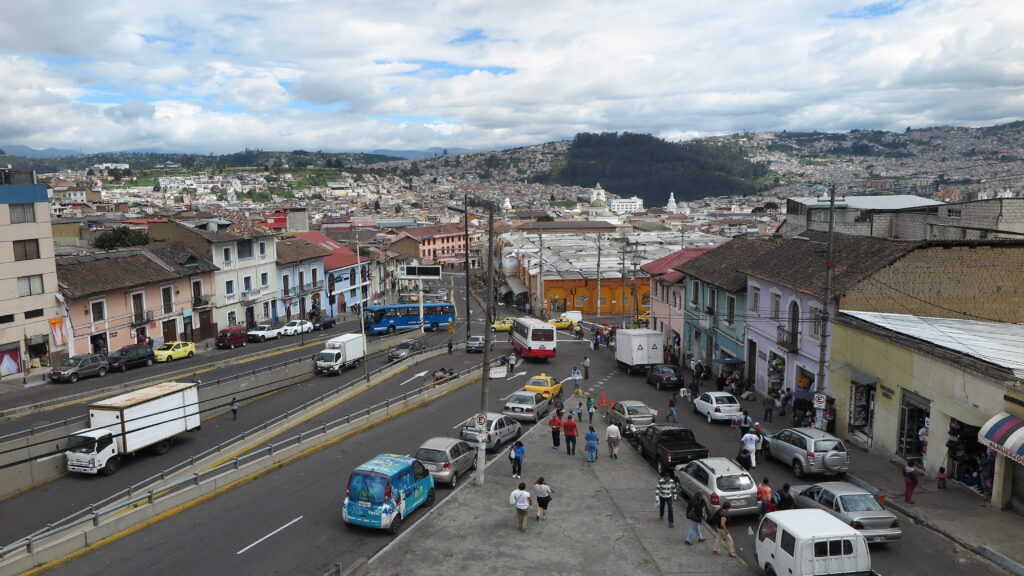
Spanish commander Sebastián de Benalcázar established the city during a time when colonialism and Catholic missionary work were sweeping across the continent. Over the centuries, Quito grew into a massive religious, cultural, and commercial epicenter, filled with monasteries, stone-paved streets, and grand churches. Thanks to its impeccably preserved Baroque architecture, the historic center is recognized today as one of the best-preserved colonial districts in all of Latin America.
Must-See Attractions in Quito
Every traveler has their own rhythm and checklist, but regardless of your travel style, there are two iconic spots that define Quito’s identity:
- Centro Histórico (The Historic Center): Honored in 1978 as one of the very first UNESCO World Heritage sites.
- Mitad del Mundo (The Equator Line): The famous spot where you can stand in both the Northern and Southern Hemispheres at the same time.
Walking the Historic Center: My Personal Route
The moment I stepped into the old town, I felt like I had walked straight into an open-air museum. This isn’t the kind of place where you stare blankly at a map, meticulously planning every turn. With its narrow alleyways, flower-filled balconies, and locals dressed in vibrant traditional attire, the best way to experience it is to simply let go and go with the flow.
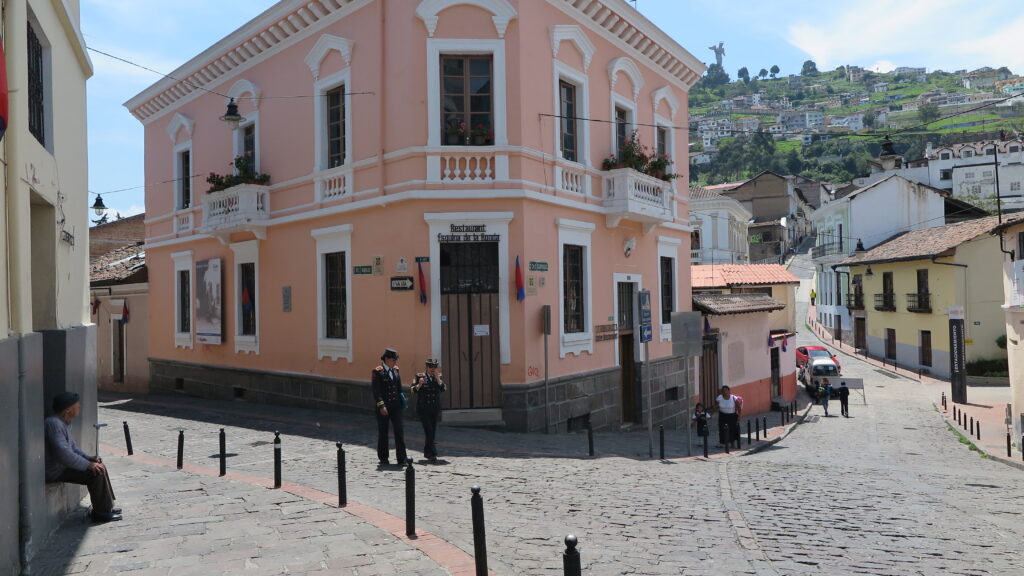
I kicked off my walking tour at the Plaza Grande Trolebús station. Here are the highlights of my day:
1. Charming Balconies & Plaza de Santo Domingo
From the station, I started walking down Guayaquil Street. The street is a visual treat; lined with colonial architecture, pastel-colored facades, and cascading flowers. After a leisurely 10-minute stroll, I arrived at Plaza de Santo Domingo.
Right in the center of the square stands a monument dedicated to Antonio José de Sucre, one of the most celebrated heroes of South American independence. Also known as Mariscal Sucre, he was the mastermind behind the Battle of Pichincha in 1822, which sealed Ecuador’s freedom from Spanish rule.
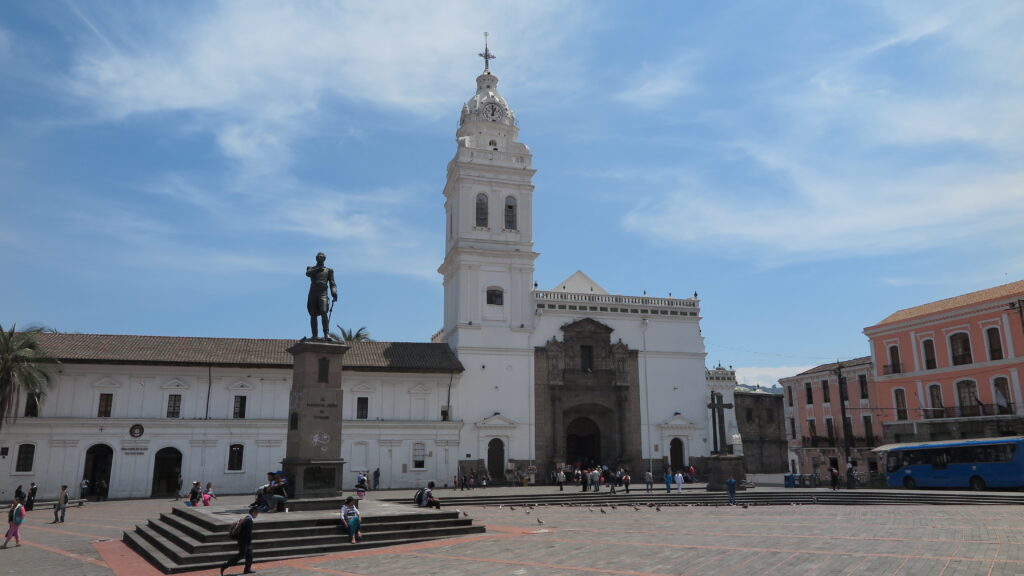
The square itself is massive, but the undeniable star of the show is the Iglesia de Santo Domingo. Construction on this Dominican church began around 1580. With its stark white accents and imposing structure, it remains one of the oldest and most spiritually significant colonial buildings in the city.
2. Walking Garcia Moreno Street toward Plaza Grande
After people-watching in the square to soak in the local rhythm, I walked down García Moreno Street. This street acts as the historical spine of the old town.
Walking from south to north, you’ll pass a striking lineup of historical monuments:
- Iglesia de El Carmen Alto & Museo del Carmen Alto
- Museo de la Moneda (The Coin Museum)
- Iglesia de la Compañía de Jesús (The famous gold-leaf Jesuit church)
- Iglesia Católica de El Sagrario
- Centro Cultural Metropolitano
- Museo Catedral Primada de Quito
The sheer level of craftsmanship on the stone facades is mind-blowing. Even if you don’t have time to go inside every museum or cathedral, just admiring them from the outside is an experience in itself.
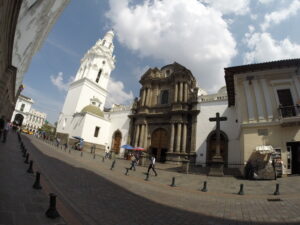
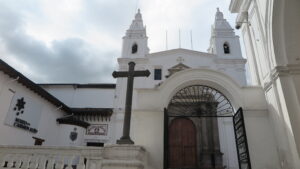
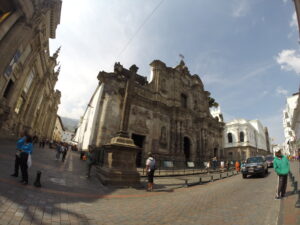
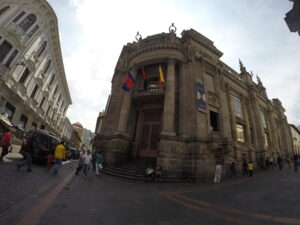
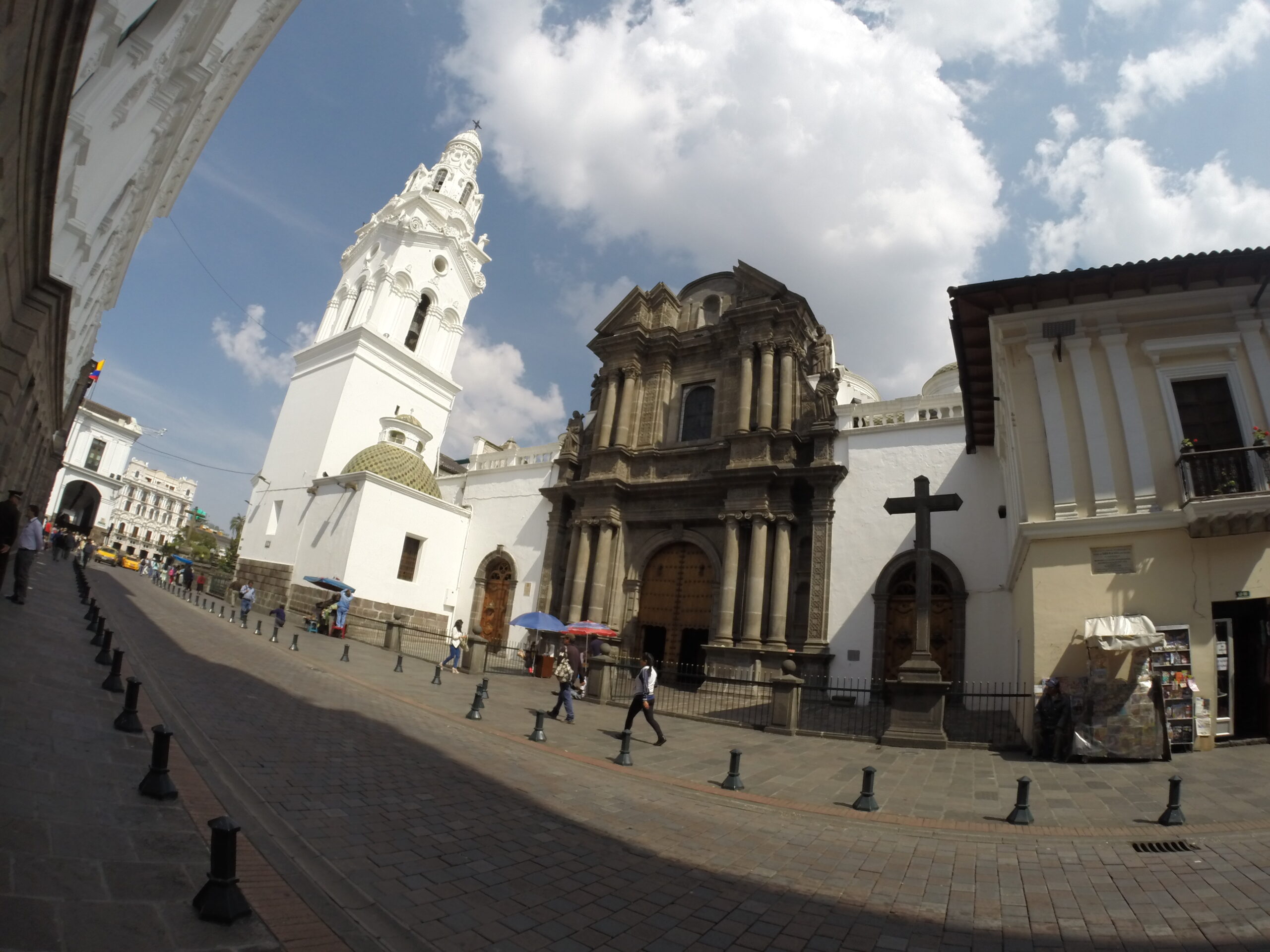
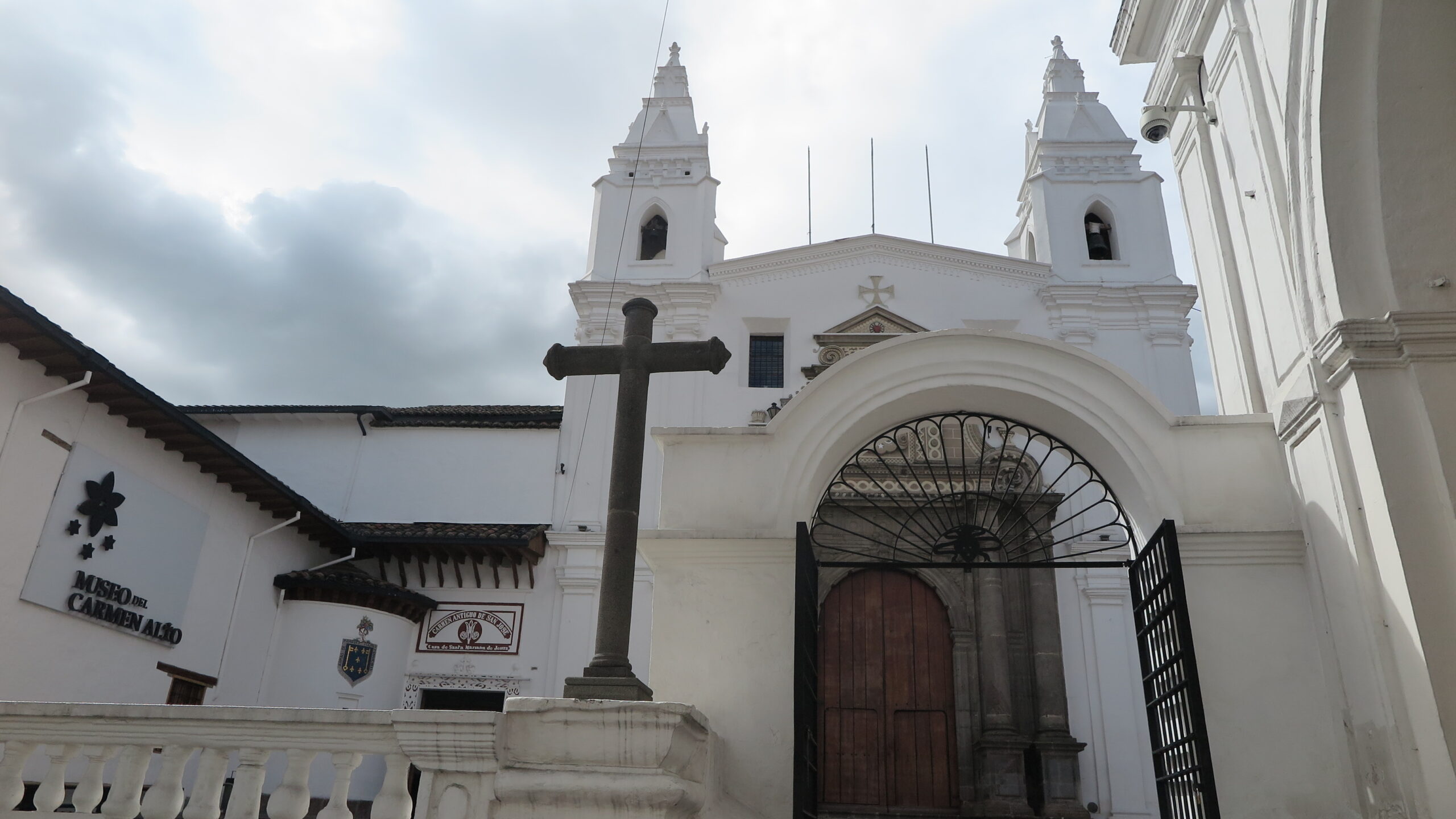
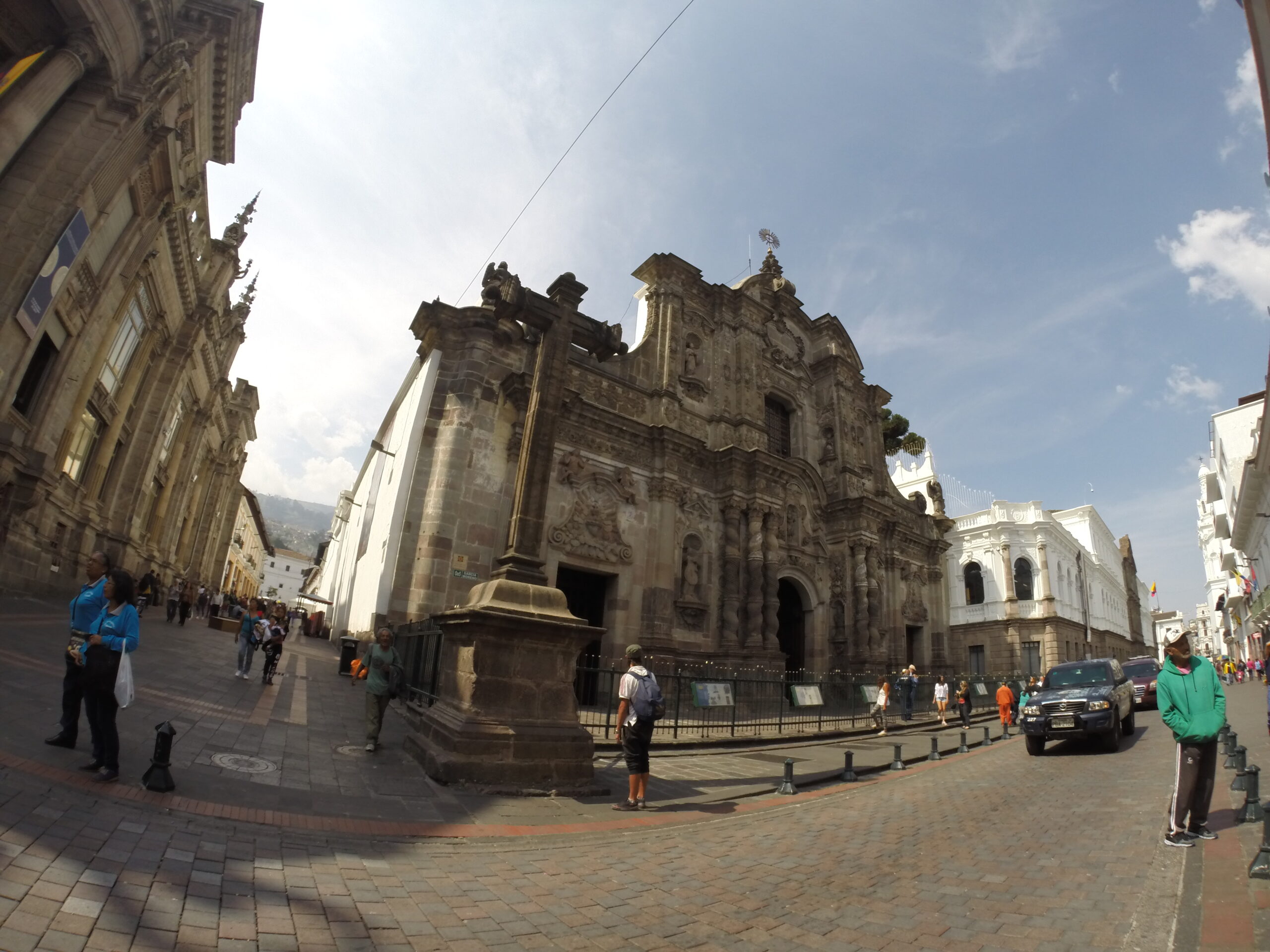
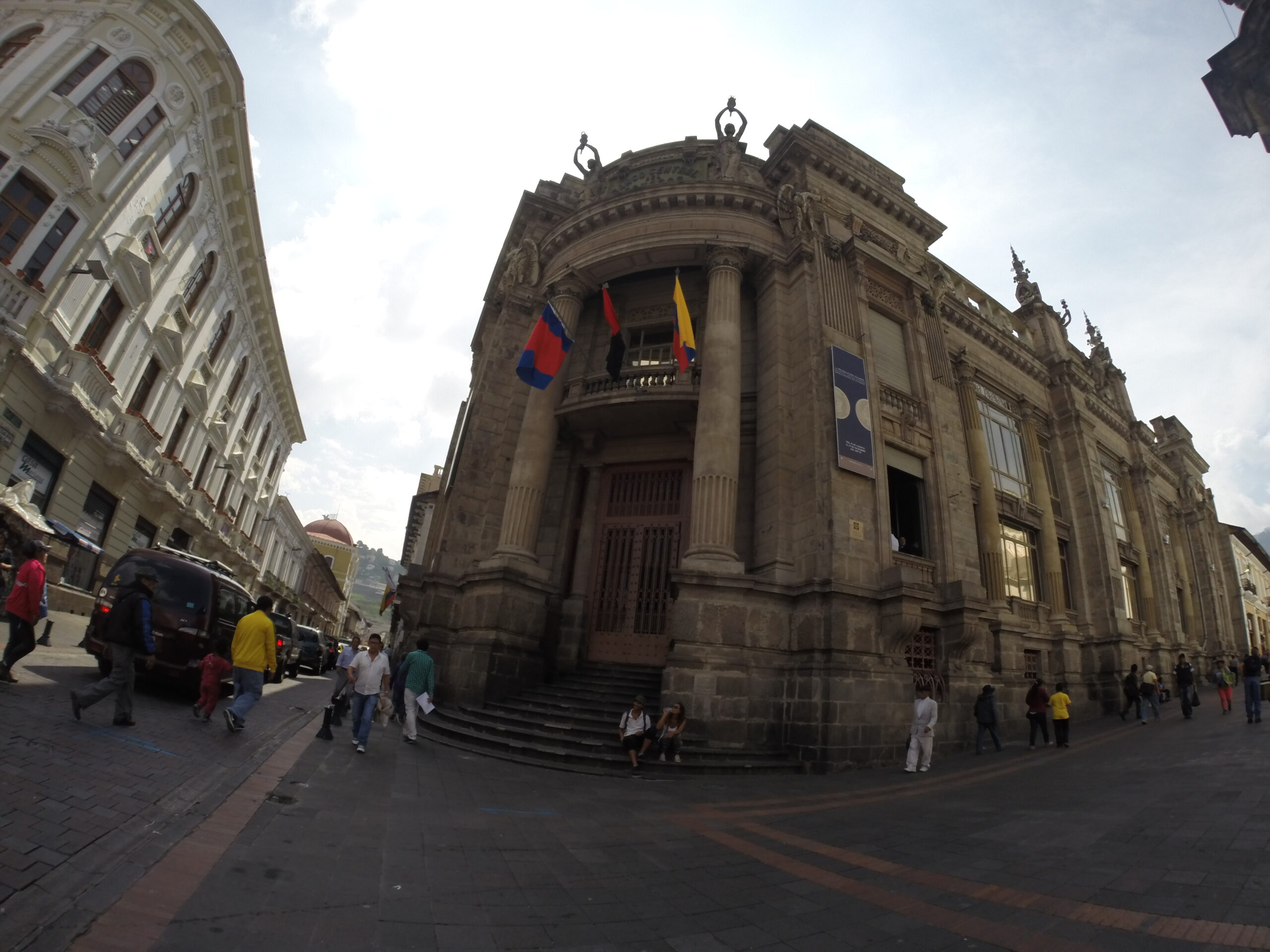
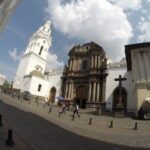
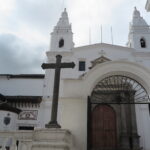
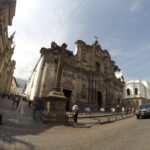
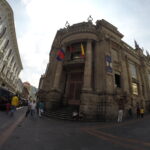
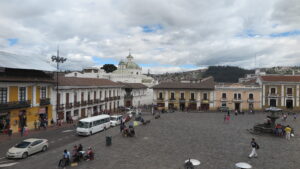
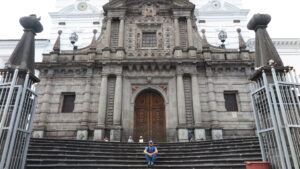
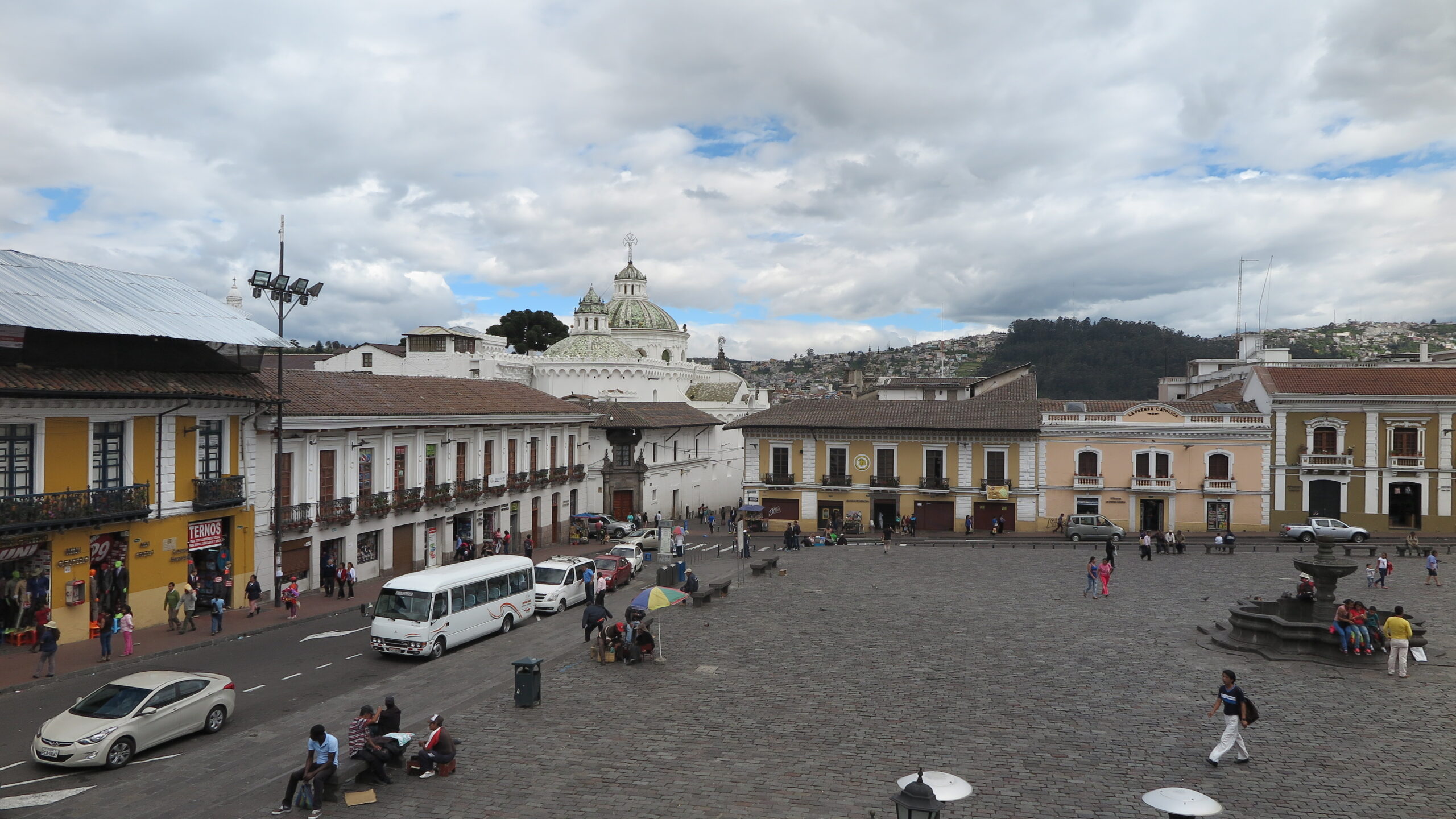
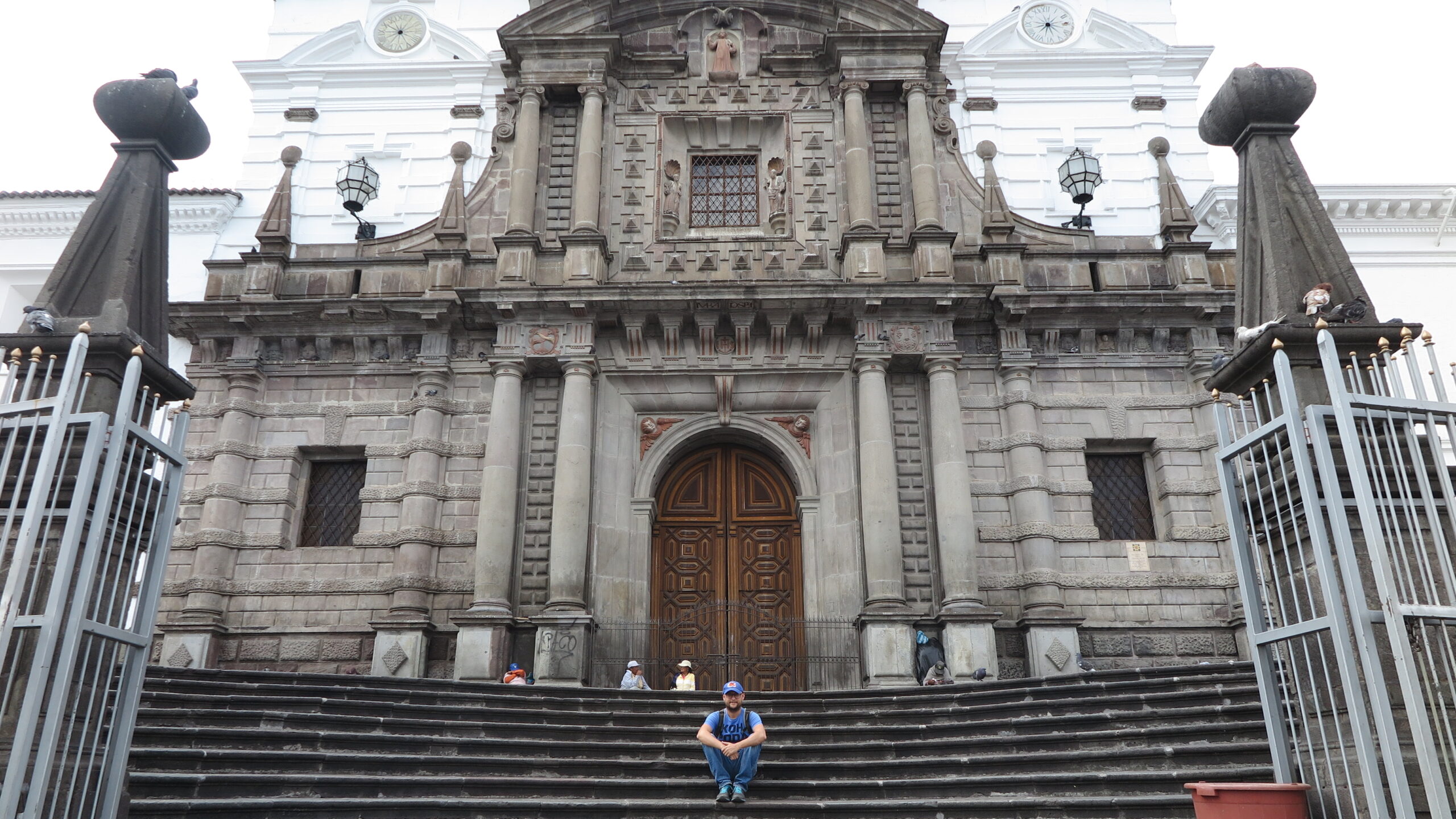
Pro-Tip: While on this path, take a quick detour up Sucre Street right by the Coin Museum. It leads you straight to Plaza San Francisco. The massive Iglesia Católica San Francisco church and monastery complex here is the oldest colonial religious site in South America and looks absolutely spectacular against the mountain backdrop.
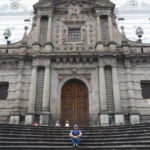
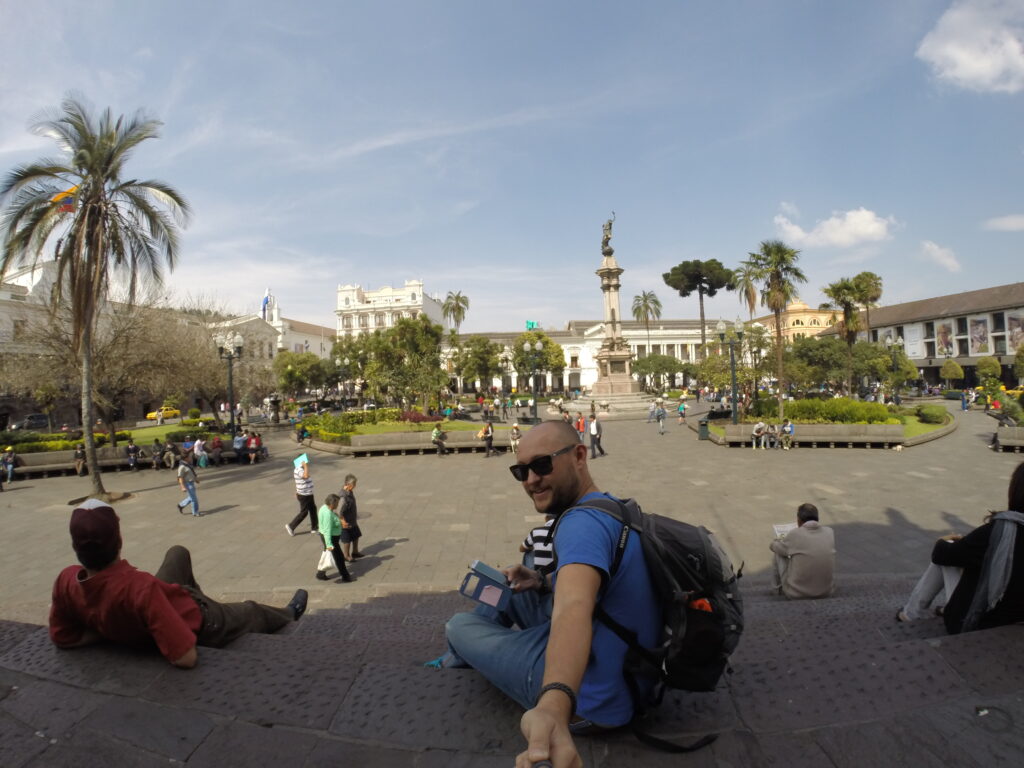
Your walk along this historical corridor will eventually bring you to Plaza Grande (Independence Square). This is the political and cultural beating heart of Quito. Surrounded by the Presidential Palace, the Municipal Cathedral, and the Monument to Independence, it’s the ultimate gathering spot. Grab a café coffee and watch life unfold in the square to fully immerse yourself in the city’s atmosphere.
Quito from Above: Virgen del Panecillo
The Virgin of El Panecillo is Quito’s most defining landmark. Perched atop El Panecillo Hill to the south of the historic center, this majestic, winged aluminum statue of the Virgin Mary can be seen from almost anywhere in the city. Designed by Spanish artist Agustín de la Herrán Matorras, it was completed in 1976.
Getting up there from the old town is incredibly straightforward. The most practical and safest option is to catch a quick taxi from Plaza Grande. The drive takes about 10 to 15 minutes depending on the city’s notorious traffic.
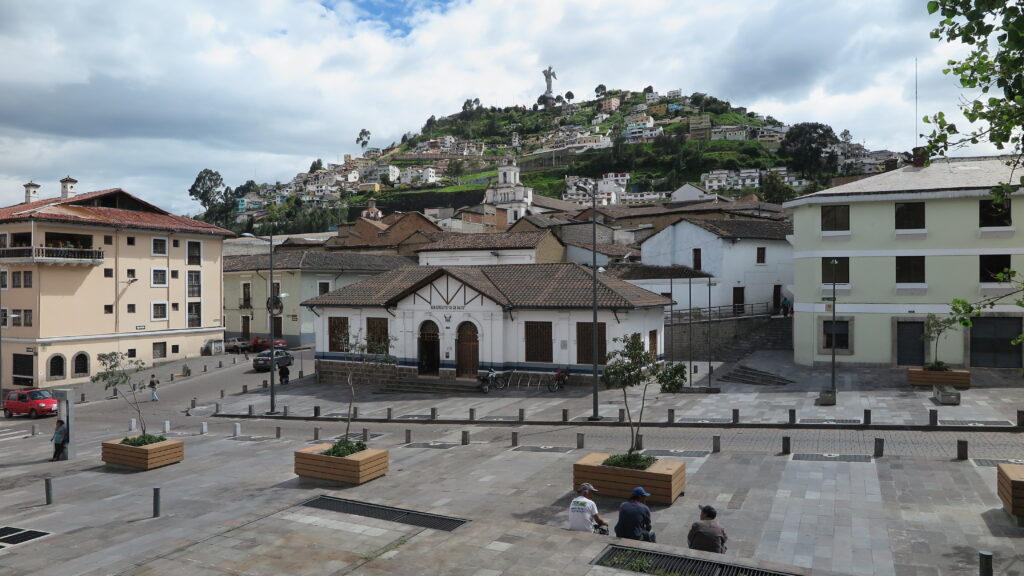
Once you reach the top, the panoramic view is breathtaking. The entire city of Quito opens up below you, stretching across the narrow valley flanked by dramatic Andean peaks.
Safety Warning: While hiking up the hill looks doable on a map, the steep steps are unfortunately known for tourist robberies. Do yourself a favor and stick to a taxi or a registered tour bus!
What to Eat in Quito: A Must-Try Local Dish
Because it’s the capital, Quito brings together the very best flavors from all over Ecuador. You’ll have zero trouble finding fantastic restaurants, but if there is one dish you absolutely cannot skip, it’s Locro Quiteño (also known as Locro de Papa).
Locro Quiteño is a traditional, comforting potato soup local to the highlands. It’s incredibly rich, prepared with milk, cheese, and local potatoes, and served with a fresh slice of avocado and a side of toasted corn (maíz tostado). It is pure comfort food in a bowl.
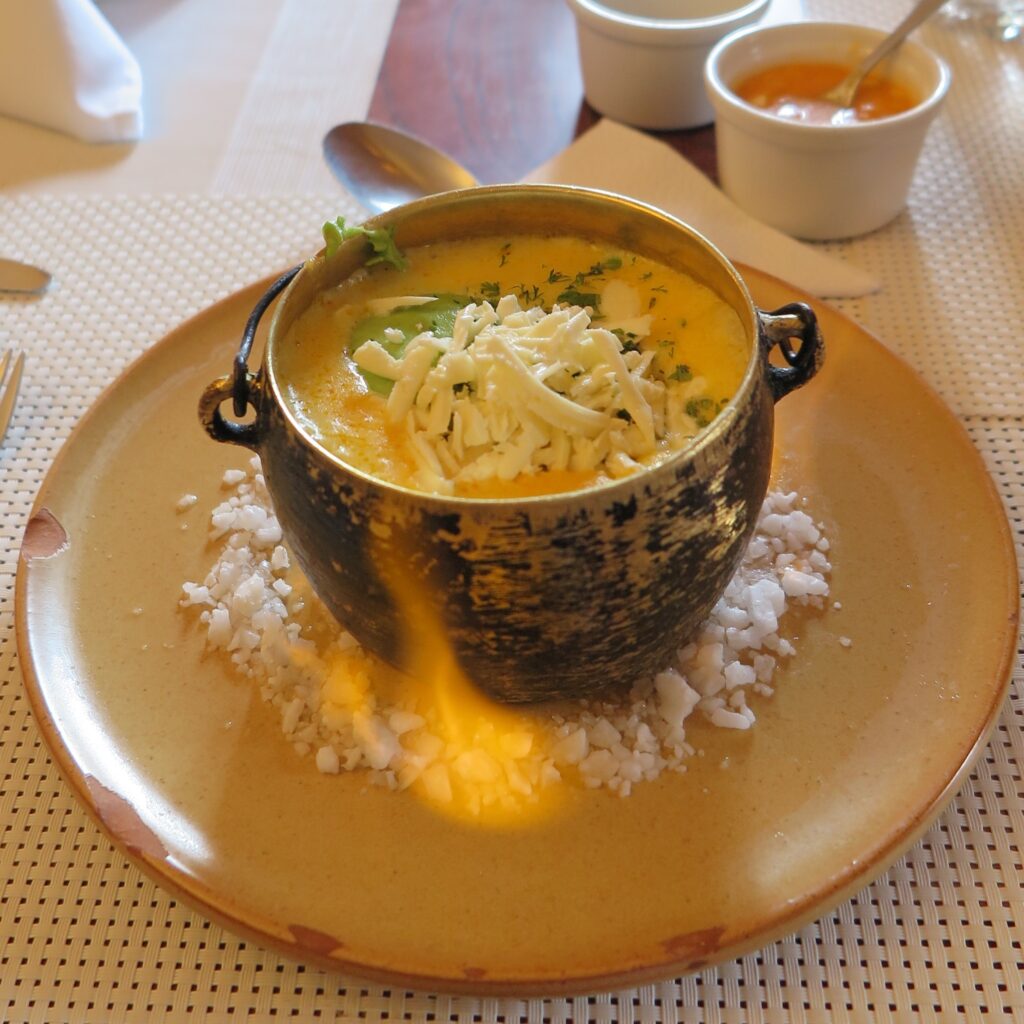
While you can find it on almost every traditional menu, here are a few highly recommended spots to try it:
- Típico Locro
- Restaurante Leña Quiteña San Marcos
- La Vid Restaurante
- Achiote Ecuador Cuisine
Culinary Tip: For great local food and an authentic vibe, visit Café San Blas at José de Antepara E4-09, 170136 Quito. Run by a wonderfully welcoming female owner, it’s the perfect place to enjoy a traditional meal, experience genuine Ecuadorian hospitality, and watch daily life unfold.


Final Thoughts
Though tackling this walking route requires a bit of stamina (don’t underestimate the altitude!), it is entirely possible to see the very best of Quito’s historic center in a single, action-packed day.
With the old town checked off the list, there’s only one major “homework assignment” left in the area: Mitad del Mundo, the Equator Line. I’ll be sharing my experience balancing eggs on nail heads and exploring the hemisphere divide in my next post.
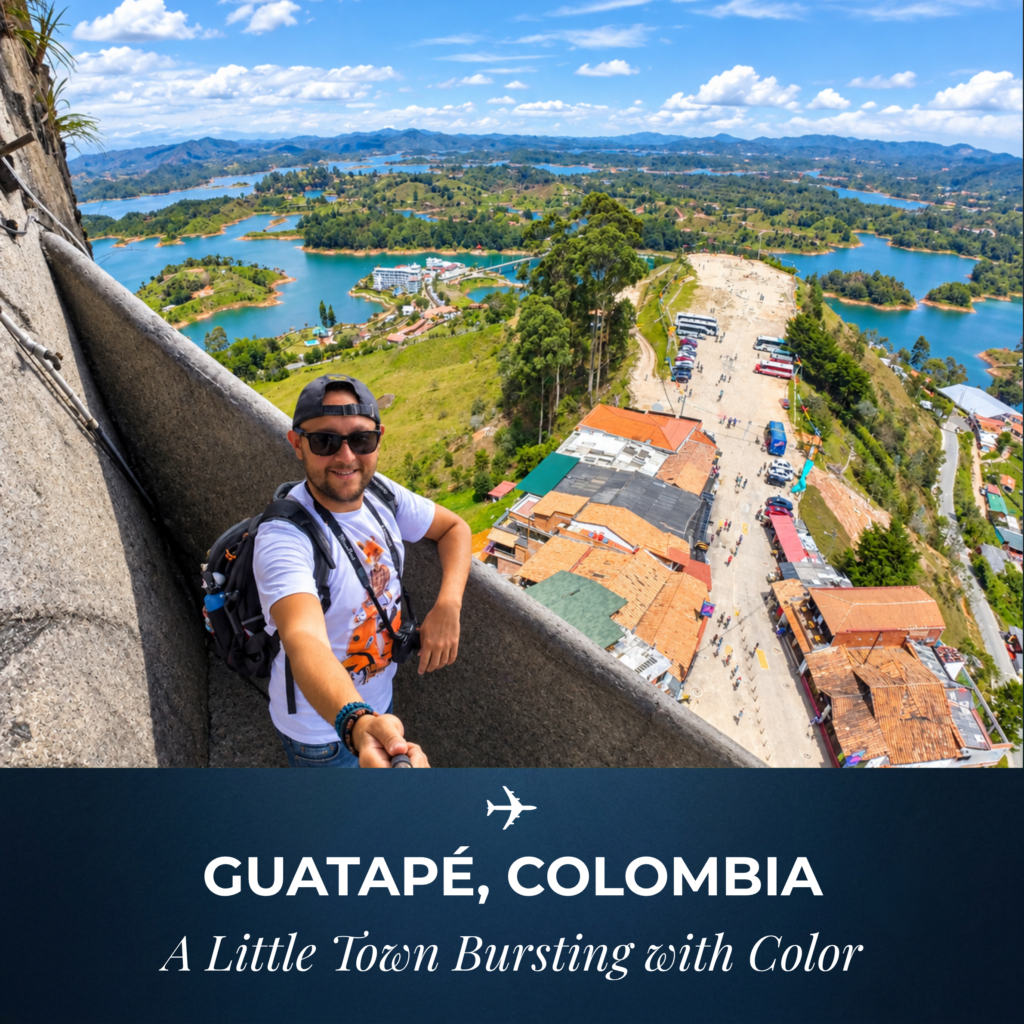
Guatapé Guide: Guatapé Day Trip from Medellín
Guatapé – Some trips are like this: you leave early in the morning, spend the…
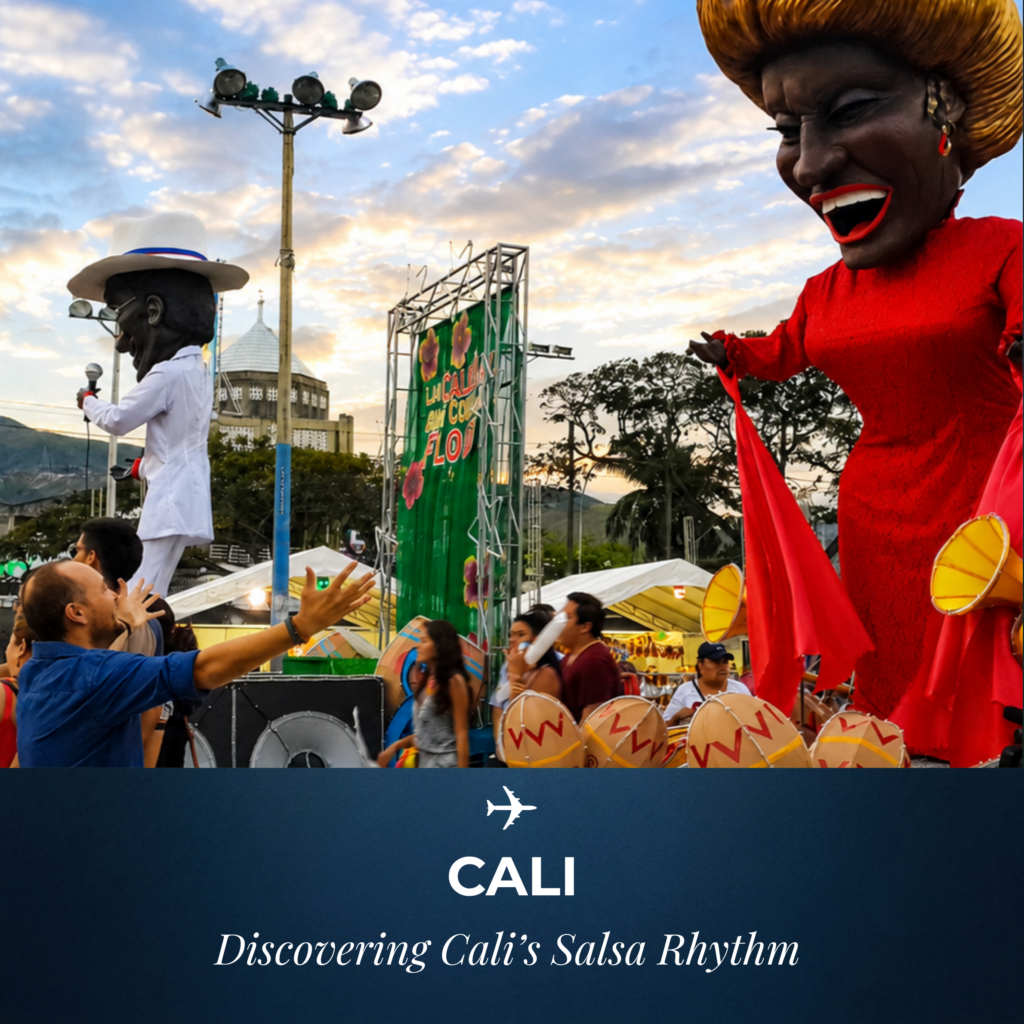
Salsa in Cali: Discovering the Rhythm of Dance in Colombia’s Salsa Capital
Salsa in Cali — Wherever the name of Cali, located in southwestern Colombia, is mentioned,…
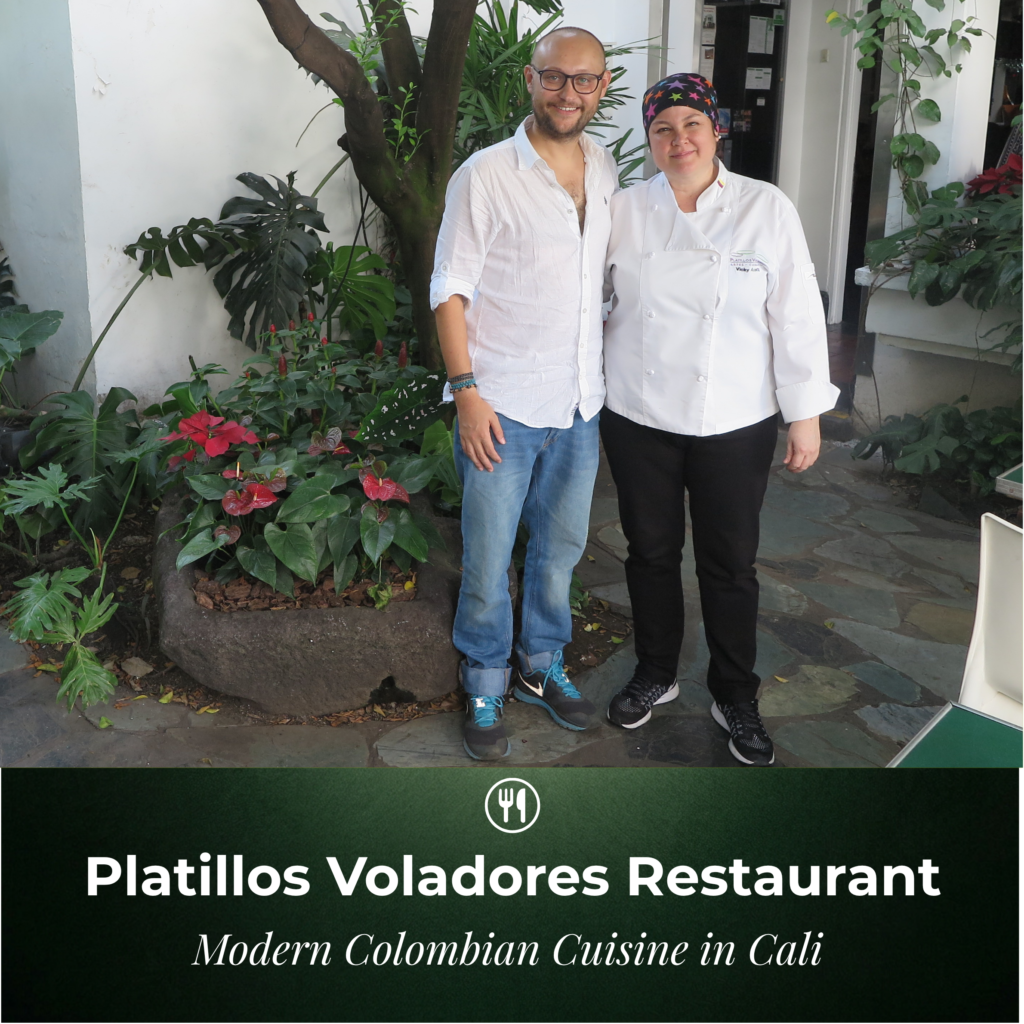
Platillos Voladores Restaurant, Cali: A Modern Take on Colombian Cuisine
Platillos Voladores Restaurant, Cali – When people think of Cali, Colombia, salsa dancing is usually…